


1. The Magic of Nut Pastes
One of the most popular and effective ways to add luxurious creaminess to a curry is by using a paste made from nuts. Cashews are the most common choice due to their high-fat content and relatively neutral flavour. When soaked in warm water for at least
20-30 minutes and blended until smooth, raw cashews transform into a silky-smooth cream that seamlessly incorporates into gravies. This technique is a cornerstone of Mughlai cuisine, known for its rich 'shahi' (royal) dishes. Almonds can also be used, though they have a slightly more distinct flavour. For the best results, add the nut paste towards the end of the cooking process and simmer gently for a few minutes to allow it to thicken and cook through without splitting.
2. The Power of Coconut Milk
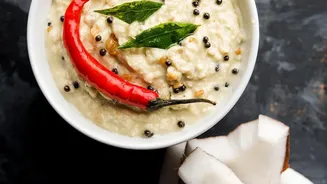
A staple in South Indian, Bengali, and coastal cooking, coconut milk is a classic dairy-free creamy agent. It imparts a subtle sweetness and a distinct, fragrant aroma that pairs beautifully with spices like mustard seeds, curry leaves, and turmeric. For a truly rich and thick gravy, always opt for full-fat coconut milk or even coconut cream. 'Lite' versions are simply diluted with more water and will result in a thinner sauce. A key tip is to add the coconut milk near the end of the cooking time. Boiling it for too long or at too high a heat can cause it to separate or 'split', losing its smooth consistency. A gentle simmer is all that's needed to meld the flavours and create a velvety finish.
3. The Secret of Seed Pastes
For a more traditional and subtle approach, turn to seed pastes. White poppy seeds (khus khus or posto) and melon seeds (magaz) are unsung heroes in the Indian pantry. These seeds are soaked in water and ground into a fine paste, which acts as a powerful thickener, lending body without the overt richness of nuts or the distinct flavour of coconut. Magaz, which are shelled watermelon seeds, are particularly prized in Mughlai cooking for creating a light, creamy texture in kormas and white gravies. Poppy seed paste is a star in Bengali cuisine, famously used in dishes like 'aloo posto' (potatoes in poppy seed paste). Like nut pastes, these should be added towards the end and cooked gently.
4. The Foundation of the Masala
Often, the creaminess of a curry is built from the very beginning. A well-made 'bhuna' masala—the base of slowly sautéed onions, ginger, garlic, and tomatoes—is fundamental. Taking the time to cook onions until they are deeply browned and caramelized creates a natural sweetness and depth. When tomatoes are added and cooked down until the oil begins to separate from the mixture, the foundation becomes rich and dense. For an even smoother, more restaurant-style gravy, you can cool this base and blend it into a smooth puree before continuing with the recipe. This technique ensures the final curry has a cohesive, velvety texture before any other creamy elements are even considered.
5. The Versatility of Vegetables and Lentils
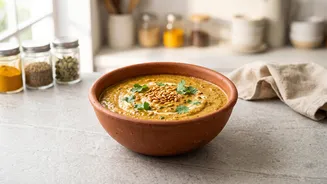
Don't overlook the humble vegetables in your pantry. Starchy vegetables are excellent natural thickeners. A small boiled potato, a piece of pumpkin, or sweet potato can be mashed or blended into a curry to add significant body and a touch of sweetness. The pureed vegetable not only thickens the sauce but also helps in balancing the heat from spices. Another fantastic option is to use cooked lentils. A small amount of pureed red lentils (masoor dal) or yellow lentils (moong dal) can be stirred into a gravy, where they dissolve to create a creamy, protein-rich base that thickens the sauce beautifully without altering the primary flavour profile significantly.