





Why This Himalayan Valley Is So Special
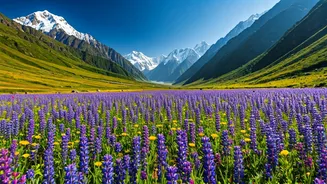
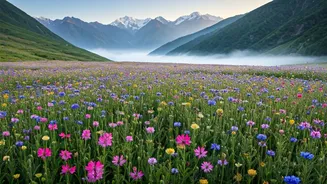
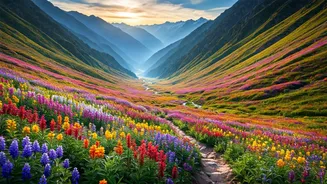
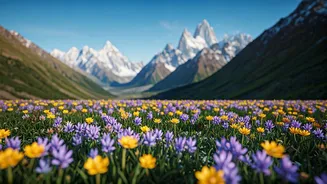
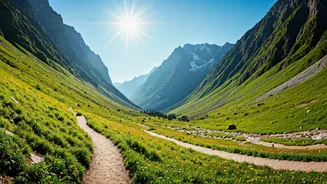
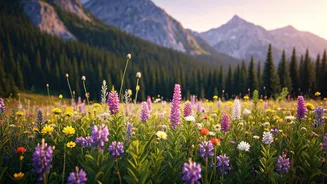
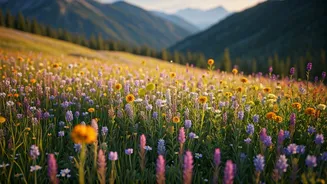
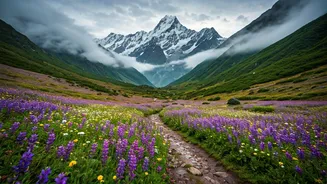
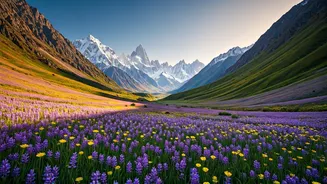
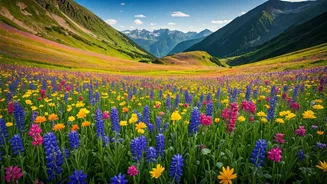
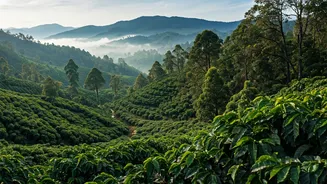
Tucked away in the Chamoli district, the Valley of Flowers is a high-altitude alpine meadow renowned for its extraordinary biodiversity. During the monsoon, the valley transforms into a vibrant carpet of over 600 species of wildflowers, from the elusive
Blue Poppy to the sacred Brahma Kamal. Its stunning natural beauty, framed by snow-capped peaks and cascading waterfalls, earned it UNESCO World Heritage Site status. For generations, the valley has been a part of local legends, with some believing it to be the place where Lord Hanuman found the mythical Sanjeevani herb. Its modern discovery by British mountaineer Frank Smythe in 1931 put it on the global map, but its allure remains timeless.
The 2026 Season: Key Dates and Timings
For the 2026 season, the Valley of Flowers National Park opened on June 1 and will remain accessible until October 31. The park gates open at 7:00 AM, with the last entry permitted at 2:00 PM. All visitors must exit the valley by the evening, as overnight camping is strictly prohibited to protect the fragile ecosystem. To manage visitor numbers, a daily cap of 300 people is enforced, a rule that has been in place since 2017. This makes advance planning, especially during the peak season, more important than ever.
When Is the Best Time to Go?
The best time to witness the floral spectacle is from mid-July to mid-August, which is considered the peak bloom season. During this period, the monsoon rains trigger a breathtaking display of colours. However, this is also when trails can be muddy and landslides may cause travel disruptions. June offers greener landscapes with fewer flowers but clearer paths. For those who prefer fewer crowds and crisper mountain views, September is an excellent alternative, offering a different kind of beauty as the flowers begin to seed and the landscape takes on golden hues.
Your Step-by-Step Trekking Guide
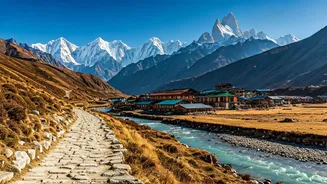
The journey to the Valley of Flowers is a multi-stage trek. Most travelers start from Haridwar or Rishikesh, taking a long 10-12 hour drive to Joshimath or Govindghat. From Govindghat, a short 4 km jeep ride takes you to Pulna village, which is the starting point of the trek. The trail from Pulna to the base village of Ghangaria is a 9-10 km walk that takes about 5-7 hours. Ghangaria, situated at an altitude of over 10,000 feet, is where trekkers stay overnight as there are no accommodations in the valley itself. The final leg is a 4 km trek from Ghangaria into the main valley, which takes 2-3 hours.
Permits, Costs, and Accommodation
A permit from the Uttarakhand Forest Department is mandatory to enter the park. A major update for 2026 is the launch of an online portal for booking permits in advance, though an offline counter still exists in Ghangaria. The entry fee for Indian citizens is ₹200, valid for three days. Accommodation is clustered in Ghangaria, offering basic guesthouses and hotels. Rooms are simple, and it's advisable to book in advance, especially during the peak months of July and August, as options are limited. No mobile networks work inside the valley, with only limited BSNL connectivity available in Ghangaria.
Don't Miss the Hemkund Sahib Trek
Many visitors combine their trip with a trek to Hemkund Sahib, a revered Sikh Gurudwara located at an altitude of over 14,000 feet. Since Ghangaria serves as the base camp for both destinations, it's convenient to add an extra day to your itinerary for this challenging but highly rewarding trek. The trail to Hemkund Sahib is a steep 6 km climb from Ghangaria, known for its stunning views and serene high-altitude lake. It provides a powerful spiritual and natural experience, making it a popular extension to the Valley of Flowers journey.