



The Monsoon Obstacle
For most of India, July means monsoon. While the rains are a welcome relief, the persistent cloud cover can be frustrating for astronomers and casual stargazers alike. Planning a night of observation without checking the forecast is a gamble. However,
the monsoon doesn't mean a complete washout for skywatching. Clear windows often appear between spells of rain, especially in rain-shadow regions like Spiti Valley or high-altitude areas in Ladakh. The key is to be prepared to take advantage of these fleeting moments of clarity. After a fresh shower, the atmosphere is often washed clean of dust and pollutants, offering exceptionally crisp views when the clouds part.
July’s Celestial Treats
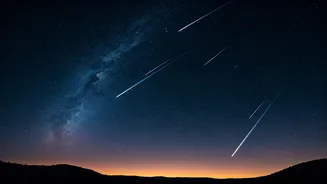
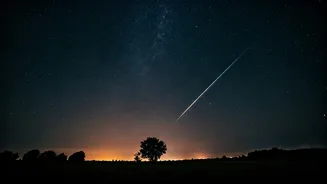
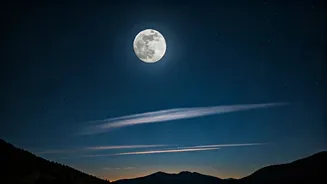
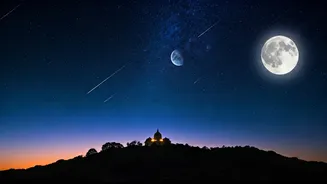
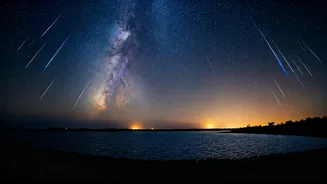
Despite the weather challenges, July 2026 offers a compelling lineup of celestial events worth planning for. Venus is a brilliant fixture in the western evening sky all month. Early in the month, those willing to wake up before dawn can spot Saturn and Mars in the eastern sky. On July 7, the Moon will have a close and beautiful pairing with Saturn. A few mornings later, on July 11, a crescent Moon will appear near Mars. The month also features two meteor showers. The Southern Delta Aquariids become active on July 12 and peak around July 29-30. Unfortunately, their peak coincides with a very bright Full Moon, which will wash out most of the fainter meteors. More promisingly, the famous Perseid meteor shower begins its activity on July 17, offering a chance to see early meteors before its spectacular August peak.
Your Forecasting Toolkit
A standard weather app showing only rain probability isn’t enough. For successful stargazing, you need more specific data. Look for apps and websites that provide hourly forecasts for cloud cover, atmospheric transparency, and 'seeing' conditions. Seeing refers to the stability of the atmosphere; good seeing means less twinkling and sharper views of planets and the Moon. Apps like Astrospheric are designed specifically for astronomers and provide detailed breakdowns of these crucial factors. General weather apps with good radar features, like Weather & Radar, can also be invaluable, allowing you to visually track cloud banks and predict when a clear patch might move over your location. Many stargazing apps, such as Scope Nights, also integrate weather forecasts directly.
Putting It All Together
Strategic planning is the bridge between a cloudy night and a memorable one. Start by identifying your target: Do you want to see the Venus-crescent Moon pairing in the evening, or wake up early for Saturn? Once you know the 'what' and 'when' of the astronomical event, turn to your weather tools. Look for multi-day cloud cover forecasts to identify the most promising nights. On your chosen day, monitor hourly forecasts and satellite radar imagery closely. A forecast showing a 3 AM clearing is your cue to set an alarm. This approach allows you to align the astronomical timetable with the meteorological one, maximising your chances of success. Remember that patience is key; a sky that is completely overcast at 10 PM might be brilliantly clear just a few hours later.
Beyond the Clouds
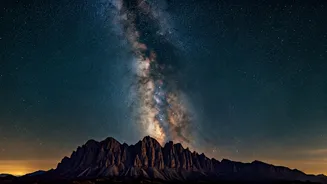
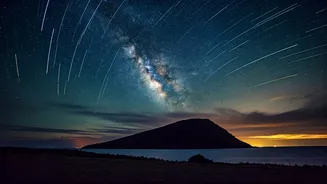
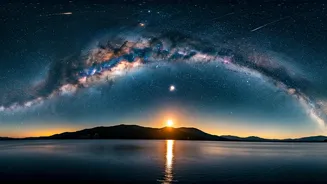
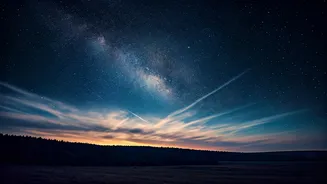
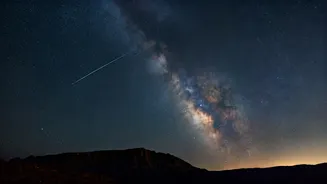
While cloud cover is the biggest hurdle, other factors can influence your viewing experience. High humidity, common during the monsoon, can make the sky hazy and reduce transparency even when it’s not cloudy. Wind is another factor; while a breeze can help clear away localised fog, high winds can cause telescopes to shake, blurring the view. Finally, light pollution from cities is a constant challenge. The new Moon on July 14 offers the darkest skies of the month, making it the ideal time to travel to a location with less artificial light if you can find a clear forecast. During these dark, moonless nights, even a short break in the clouds can reveal the stunning starfields of the Milky Way.