





The Journey from Farm to Mandi
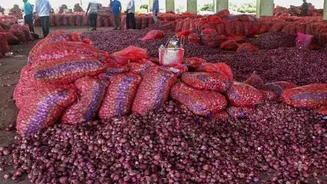
The price story for most vegetables begins at the Agricultural Produce Market Committee (APMC) mandi, or wholesale market. These regulated markets were created to give farmers a fair and transparent place to sell their produce through open auctions. Here,
licensed commission agents, or 'arhtiyas', facilitate sales to traders and bulk buyers. The price discovered in this auction becomes the baseline. However, not all produce goes through this system; some farmers sell directly to private traders or are bound by contracts, but the mandi price remains a crucial benchmark for the entire region.
Seasonality Is King
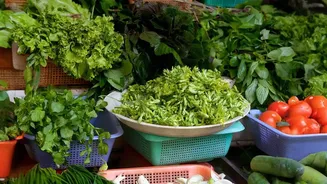
The most significant factor influencing vegetable prices is seasonality. When a vegetable is in season, a flood of supply hits the markets, naturally pushing prices down. Conversely, during the off-season, supply is scarce, and prices can soar. Tomatoes, for example, are highly sensitive to rain and heat, often causing sharp price spikes during the monsoon months of July and August. Potatoes, on the other hand, are more stable because a large portion of the harvest goes into cold storage, which helps cushion prices throughout the year. Leafy greens tend to be cheaper and more abundant in winter, while summer conditions make them harder to grow.
The Impact of Weather and Climate
India's agriculture is heavily dependent on the monsoon, making it vulnerable to unpredictable weather. An erratic monsoon, with either too much or too little rain, can devastate crops and lead to immediate shortages. For instance, heavy rains can damage standing crops and spoil produce even in storage, while heatwaves or drought can drastically reduce yields. These climate shocks create volatility, directly impacting the supply that reaches the market and, consequently, the prices consumers pay for staples like onions, potatoes, and tomatoes.
The Role of Middlemen and the Supply Chain
Between the farmer's field and your kitchen, produce passes through several hands. The traditional supply chain often involves farmers selling to local traders, who sell to larger wholesalers at the mandi, who then sell to your local sabziwala (retailer). Each intermediary adds their margin to cover costs like transport, storage, and labour, and to make a profit. This multi-layered system can lead to a significant markup from the price the farmer originally received. While middlemen provide essential services like aggregation and logistics, their presence can inflate the final retail price.
Hidden Costs: Transport, Storage, and Wastage
Beyond the basic cost of the produce, several other expenses are baked into the final price. Rising fuel costs directly increase the cost of transporting vegetables from rural farms to urban centres. Inadequate cold storage infrastructure is another major issue. Since many vegetables are highly perishable, a lack of proper refrigerated transport and storage leads to significant spoilage. This wastage reduces the overall available supply, and the cost of these losses is ultimately passed on to the consumer. For example, the high volatility of tomato prices is partly due to its perishable nature and storage challenges.
The Rise of Alternatives
In response to the inefficiencies of the traditional system, new models are emerging. Farm-to-table startups and digital platforms like e-NAM (National Agriculture Market) aim to connect farmers more directly with consumers. These platforms can help shorten the supply chain, reduce the role of intermediaries, and provide farmers with better price discovery. By improving transparency and efficiency, these models can potentially offer fresher produce and more stable pricing for consumers, although they are still overcoming challenges related to logistics and scale.