


The Story of Extraction: How They Are Made
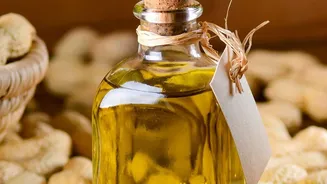
The primary difference between cold-pressed and refined oils lies in their production. Cold-pressed oils, often called 'kachi ghani' or 'wood-pressed,' are extracted through a simple, low-temperature mechanical process. Seeds, like groundnuts, are crushed
to release oil naturally. This gentle method ensures the oil retains its original flavour, aroma, and most importantly, its nutritional compounds. Refined oils, on the other hand, undergo a multi-step industrial process designed for high yield and a long shelf life. This typically involves high heat and chemical solvents (like hexane) to extract every last drop of oil. Afterwards, the crude oil is 'cleaned' through processes like degumming, neutralizing with alkaline substances, bleaching with activated clays, and deodorizing with steam at temperatures over 200°C.
A Nutritional Showdown
The intense processing of refined oils comes at a nutritional cost. The high heat and chemical treatments strip away many of the beneficial components naturally present in the seeds. This includes a significant loss of natural antioxidants, phytosterols, and Vitamin E, which are known to combat inflammation and support heart health. Cold-pressed groundnut oil, by contrast, preserves these valuable micronutrients. It's a rich source of Vitamin E, healthy monounsaturated fats (MUFA), and antioxidants like resveratrol. While refined oils are not devoid of fatty acids, they are often considered to provide 'empty calories' because most of their natural goodness has been processed out.
Understanding Smoke Point and Heat Stability
A common argument for refined oils is their high smoke point—the temperature at which an oil begins to smoke and break down, potentially forming harmful compounds. The refining process creates a very stable oil with a high smoke point, making it suitable for high-temperature cooking like deep frying. However, the idea that all cold-pressed oils have low smoke points is a misconception. Cold-pressed groundnut oil, for instance, has a surprisingly high smoke point of around 230°C, which is comparable to many refined oils. This makes it versatile enough for most Indian cooking methods, including sautéing and stir-frying. The real difference often lies in oxidative stability; groundnut oil's high monounsaturated fat content makes it more stable and resistant to breakdown under sustained heat compared to some polyunsaturated-rich refined oils.
Flavour, Aroma, and the Right Oil for the Job
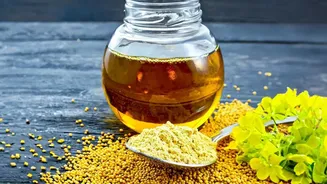
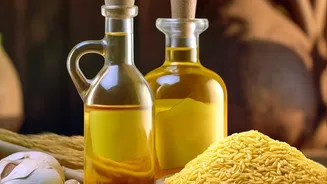
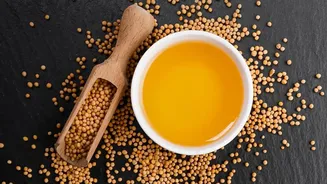
Refined oils are intentionally made to be neutral, with no taste or smell. This makes them a predictable, if bland, cooking medium. Cold-pressed groundnut oil, however, retains a pleasant, nutty flavour and aroma that can enhance the taste of a dish, from a simple sabzi to a flavourful tadka. The choice ultimately depends on your culinary needs. For deep-frying where a neutral flavour is desired, a refined oil might be chosen for its stability and cost-effectiveness. But for everyday cooking where you want to add flavour and nutritional value, a cold-pressed oil is often the superior choice. Many Indian households traditionally used a variety of cold-pressed oils like groundnut, mustard, and sesame for different regional dishes.
The Health Verdict: Making an Informed Choice
When comparing the two, cold-pressed groundnut oil emerges as a healthier choice for most daily cooking needs. Its minimal processing preserves heart-healthy fats, antioxidants, and vitamins that are largely lost in the refining process. The presence of these natural compounds offers benefits ranging from reduced inflammation to better cholesterol management. While refined oils offer a high smoke point and longer shelf life, their nutritional profile is significantly compromised. The best approach isn't necessarily to eliminate one type of oil completely, but to understand their roles. Using a flavourful, nutrient-dense cold-pressed oil for your everyday dal and sabzi, while reserving a high-stability refined oil for occasional deep-frying, allows you to get the best of both worlds.