






For Growers: A Hub of Knowledge and Opportunity
For the farmers who are the backbone of India's mango production, these festivals are becoming far more than just a market. They are crucial platforms for knowledge exchange. At events across the country, from Uttar Pradesh to Goa, farmers get opportunities
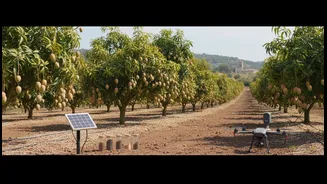
to interact directly with agricultural scientists, government bodies, and exporters. Seminars and workshops on the latest farming technologies, pest control, organic farming, and water conservation are common features. This helps growers improve fruit quality, increase yield, and adopt more sustainable practices. Furthermore, festivals often showcase hundreds of varieties, educating farmers on commercially viable and disease-resistant hybrids that can boost their income. By providing a stage to display their produce, growers gain visibility and can bypass intermediaries, leading to better prices and direct connections with buyers, from individual consumers to large-scale exporters.
A New Flavour of Tourism
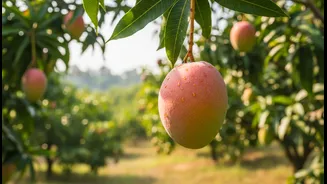
Mango festivals are increasingly a significant driver of agri-tourism, attracting visitors who crave authentic, experience-led travel. These events, such as those in Ratnagiri for the Alphonso or Lucknow for the Dasheri, draw tourists not just to cities, but to the rural heartlands where the fruit is grown. This creates a unique form of gastro-tourism, where visitors can partake in orchard tours, pick their own fruit, and join mango-themed cooking workshops. Organizers often curate a full rural experience with bullock cart rides, folk music, and local craft markets, offering a complete cultural immersion. This model provides farmers with an additional, diversified income stream beyond the sale of fruit alone, turning their farms into destinations. It helps build a brand for the entire region, putting it on the map for something unique and seasonal.
Strengthening the Entire Local Food Economy
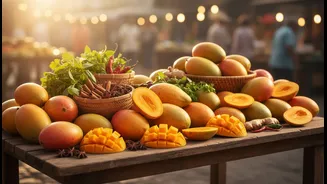
The economic impact of a successful mango festival ripples far beyond the orchard gates. These events act as a catalyst for the entire local food economy. They create opportunities for entrepreneurs to develop and sell value-added products like jams, pickles, juices, and even mango-based skincare. This processing sector can help absorb surplus fruit and extend the economic life of the harvest. The influx of tourists supports a host of other local businesses, including hotels, restaurants, transportation providers, and artisans. Events like the Uttar Pradesh Mango Festival explicitly aim to connect growers with food processors and exporters, strengthening the supply chain from farm to global market. By creating a vibrant, temporary marketplace, these festivals build confidence in the local agricultural sector and encourage investment in infrastructure like pack houses and food processing units.
From Potential to Lasting Impact
For these festivals to achieve their full transformative potential, a strategic approach is essential. It requires collaboration between government bodies, farmer cooperatives, and private organizers. Consistent branding and quality control are needed to build a reputation that attracts international tourists and buyers. Infrastructure, from rural roads to cold storage and modern pack houses, is critical to support the growth spurred by the festival. The most successful festivals are evolving from one-off events into year-round movements promoting a region's agricultural heritage, fostering sustainability, and uplifting rural communities. They show that celebrating the 'King of Fruits' can be a powerful strategy for building a more prosperous and resilient future.