






More Than Just a Fast
The month of Shravan, dedicated to Lord Shiva, is a deeply significant time in the Hindu calendar. Many devotees observe a 'vrat' or fast, particularly on Mondays (Somvar). However, this isn't about complete abstinence from food. Instead, it’s a conscious
shift to a specific way of eating that is believed to purify the body and mind, making them more receptive to spiritual energy. This dietary practice is rooted in ancient wisdom, aligning personal discipline with the rhythms of nature. The goal is to consume foods that are light, pure, and easy to digest, fostering a state of mental clarity and physical balance during this spiritually charged time.
The Philosophy of Sattvic Eating
The diet followed during Shravan is predominantly 'sattvic', a concept from Ayurveda that classifies food based on its effect on the body and consciousness. Sattvic foods are believed to promote harmony, purity, and clarity. They are fresh, nourishing, and minimally processed. This is in contrast to 'rajasic' foods (like onions, garlic, and excessive spices), which are thought to induce restlessness, and 'tamasic' foods (like meat, alcohol, and stale items), which are believed to cause dullness and lethargy. By avoiding rajasic and tamasic ingredients, the Shravan plate is designed to calm the mind and aid in spiritual practices like meditation and prayer.
What's On and Off the Menu?
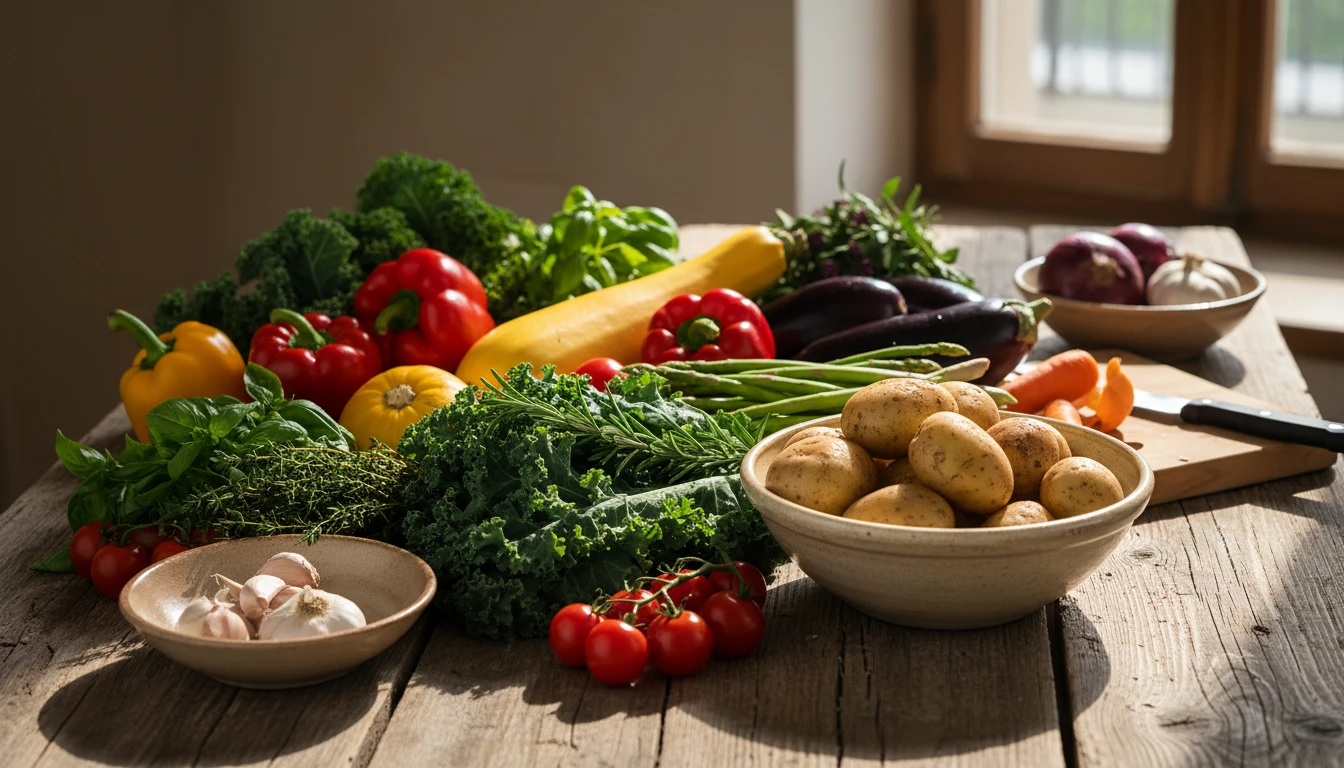
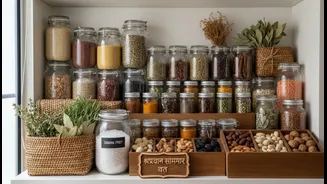
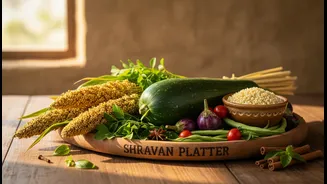
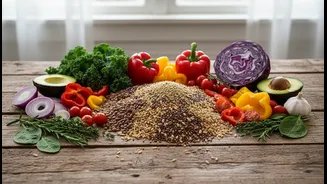
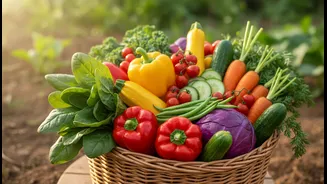
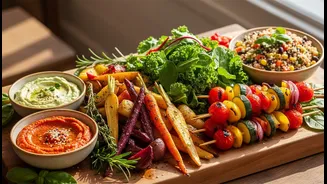
The rules of a Shravan diet are simple yet specific. Non-vegetarian food, including eggs, is strictly avoided. Onions and garlic are excluded due to their tamasic and rajasic properties. Regular table salt is often replaced with 'sendha namak' or rock salt. Certain grains like wheat and rice are also avoided by many, who instead turn to fasting-friendly alternatives. The 'allowed' list is generous and nourishing. All fresh fruits are welcome, providing natural sugars and hydration. Dairy products like milk, yogurt, and paneer are staples, offering protein and calcium. Root vegetables such as potatoes, sweet potatoes, and yams are commonly used. For grains, devotees use flours made from amaranth (rajgira), water chestnut (singhara), and buckwheat (kuttu), along with staples like sabudana (tapioca pearls) and samak rice (barnyard millet).
A Look at the Shravan Thali
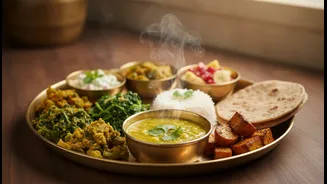
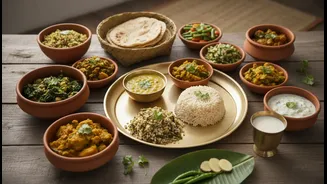
Far from being restrictive, the Shravan plate is a celebration of simple, wholesome flavours. A typical meal might feature fluffy Rajgira Puri served with a simple yet delicious potato curry spiced with green chillies and cumin. Sabudana Khichdi, a comforting dish made from tapioca pearls tossed with roasted peanuts and potatoes, is a fasting favourite across many regions. Other popular dishes include crispy Sabudana Vada, creamy Makhana Kheer (a pudding made from fox nuts), and various chaats made with fruits and boiled potatoes. These dishes are not only delicious but also provide sustained energy throughout the day, proving that fasting food can be both satisfying and spiritually compliant.
Wisdom for the Monsoon Season
The dietary guidelines of Shravan also have a practical, scientific basis rooted in Ayurveda. The monsoon season, or 'Varsha Ritu', is a time when the digestive fire ('agni') is believed to be weaker. Heavy, oily, and non-vegetarian foods are harder to digest and can lead to health issues. The light, sattvic diet prescribed during Shravan gives the digestive system a much-needed rest, boosting immunity when the body is more susceptible to water-borne illnesses. In this way, the religious observance is perfectly synchronised with seasonal wisdom, making it a holistic practice for both spiritual and physical well-being.