



Deconstructing the 9% Growth
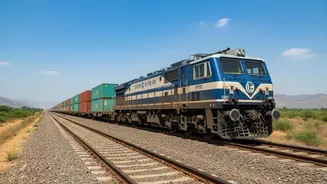
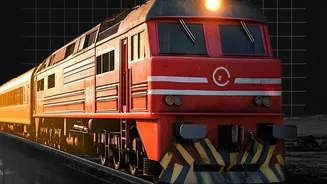
Indian Railways announced that it transported 141.3 million tonnes of goods in July 2026, a significant 9% increase from the 129.7 million tonnes moved in the same month last year. This isn't just a marginal uptick; it represents a substantial rise in the movement
of essential goods across the country, signaling sustained demand from core sectors. The impressive performance also translated into financial gains, with freight revenues growing by 8%, an incremental increase of ₹1,137 crore compared to July 2025. This dual growth in volume and revenue highlights both increased economic activity and the Railways' improving operational efficiency.
Coal: Fueling the Nation's Power
A major driver of this growth is coal, which, along with iron ore, forms the backbone of the Railways' freight basket, accounting for over 60% of its traffic. Coal loading saw a substantial year-on-year increase of 11.5% in July. This surge is directly linked to heightened demand from thermal power plants. To meet this need, Indian Railways increased its domestic coal supply to these power stations by a remarkable 20% compared to the previous year. This effort is crucial for maintaining the country's energy security and powering its industrial and manufacturing hubs, ensuring that the lights stay on and factories keep running.
Iron Ore and Industrial Demand
The standout performer in July's freight figures was iron ore, which recorded an impressive 22.2% year-on-year growth in loading. This sharp increase is a strong indicator of a buzzing industrial and infrastructure sector. Iron ore is the primary raw material for steel manufacturing, and its increased movement suggests that construction projects, real estate development, and automobile production are in high gear. The healthy growth in commodities like fertilisers (up 12%) and other balanced goods (up 12.1%) further paints a picture of a broad-based industrial revival and strong demand across various manufacturing segments.
Feeding the Country
The role of Indian Railways in ensuring food security is underscored by the 11.5% growth in the transportation of foodgrains. This movement is vital for stocking the public distribution system, managing food reserves, and ensuring that agricultural produce reaches markets and consumers across India’s vast geography in a timely manner. The parallel 12% increase in fertiliser loading shows a proactive approach to supporting the agricultural sector, ensuring that farmers have the necessary inputs for the planting seasons. This demonstrates the Railways' integral role not just in the industrial economy but also in the agricultural supply chain.
A Barometer of Economic Health
The robust freight numbers from Indian Railways are more than just statistics; they are a clear signal of the economy's underlying strength. When more coal is moved, it means the country needs more power. When more iron ore and cement are transported, it signifies that construction and infrastructure are booming. Increased movement of foodgrains and fertilizers points to a stable and supported agricultural sector. Experts note that this strong performance, even during the monsoon months which can sometimes cause disruptions, points to sustained demand and efficient logistics management. This upward trend in both freight and passenger traffic, which also saw growth, reinforces the railways' position as the lifeline of the nation's economic and social fabric.