





The Gold Standard: Why Whey Reigns Supreme
Whey protein's popularity in the fitness world isn't just hype; it's rooted in its molecular structure. Derived from milk during the cheesemaking process, whey is considered a 'complete' protein because it contains all nine essential amino acids (EAAs)
that our bodies cannot produce on their own. These EAAs are the building blocks needed for countless bodily functions, most notably for athletes, muscle protein synthesis—the process of repairing and rebuilding muscle tissue after exercise. Whey's real advantage is its high concentration of branched-chain amino acids (BCAAs), particularly leucine. Leucine acts like a switch that signals your muscles to start the repair process. With its high leucine content and rapid absorption rate, whey delivers these crucial building blocks to your muscles quickly and efficiently.
The Plant Protein Challenge
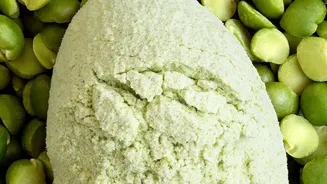
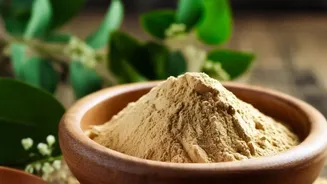
On their own, most plant proteins are considered 'incomplete'. This doesn't mean they are inferior, but rather that they have a lower concentration of one or more essential amino acids. Pea protein, made from yellow split peas, is a fantastic plant-based option. It's rich in BCAAs and particularly high in the essential amino acid lysine. However, its limiting amino acid is methionine. Brown rice protein, on the other hand, has the opposite profile. While it is a good source of the sulfur-containing amino acids cysteine and methionine, it is low in lysine. This is the classic challenge for those on a plant-based diet: ensuring a sufficient intake of all essential amino acids to effectively support muscle growth and recovery.
A Perfect Partnership: The Power of Synergy
This is where the magic happens. The concept of protein combining isn't new, but the pea and brown rice pairing is a prime example of nutritional synergy. By combining these two protein sources, you effectively cancel out their individual weaknesses. Pea protein's abundance of lysine compensates for the lack of it in brown rice protein. Conversely, the high methionine content in brown rice protein fills the gap in pea protein's profile. The result is a blended plant protein with a complete amino acid profile, supplying all nine essential amino acids in quantities sufficient to rival animal-based proteins like whey. This isn’t just a marketing gimmick; it's a scientifically sound strategy for creating a high-quality, complete plant-based protein.
Leucine: The Muscle-Building Trigger
While a complete amino acid profile is crucial, the amount of leucine is particularly important for triggering muscle protein synthesis. Studies show that whey protein is naturally about 11-12% leucine, while pea protein is slightly lower, around 8-9%. However, by concentrating the proteins and using a blend, many pea and rice protein powders are formulated to deliver a dose of leucine that is effective for stimulating muscle repair. Research has found that as long as an adequate amount of protein is consumed to hit a sufficient leucine threshold, the muscle-building response can be comparable. A 2019 study published in the journal 'Sports' found similar improvements in muscle thickness, strength, and performance between participants taking whey and those taking pea protein over an 8-week resistance training program.
Beyond the Profile: Digestibility and Other Benefits
Creating a complete amino acid profile is one thing, but your body also needs to be able to absorb and utilize it. Fortunately, pea and brown rice proteins are generally well-digested. For individuals with dairy allergies or lactose intolerance, this plant-based combination offers a significant advantage, as it is hypoallergenic and less likely to cause digestive issues like bloating. While some research suggests plant proteins can be slightly less digestible due to their fibrous nature, modern processing techniques for protein isolates have largely improved their bioavailability. Studies comparing whey to rice protein supplementation have found no differences in perceived recovery or muscle soreness, indicating a similar functional outcome for athletes.