


The Allure of a Green Getaway
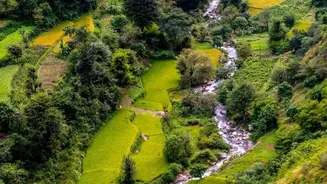
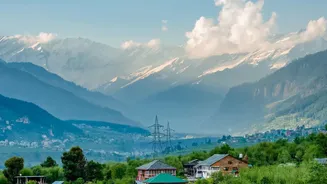
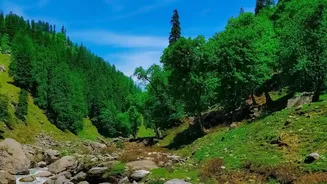
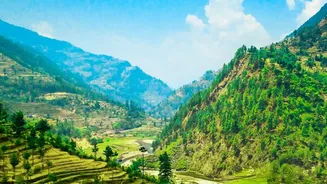
While popular destinations grapple with tourist traffic, a different magic unfolds in the quieter corners of Himachal Pradesh. The monsoon transforms the landscape into a painter’s dream of a thousand shades of green. The air, thick with the scent of wet
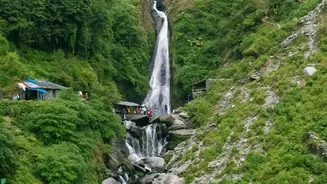
earth and pine, is punctuated by the roar of newly awakened waterfalls. This season isn't for the traveller with a packed itinerary of sights to see. Instead, it calls to those who seek solace in the rhythm of the rain, the warmth of a fireplace, and the joy of watching clouds drift through dense deodar forests. It’s an invitation to slow down, disconnect, and find peace in nature's most dramatic and refreshing season. A trip to Tirthan or Shoja during the rains is less about doing and more about being.
Tirthan Valley: A Riverside Sanctuary
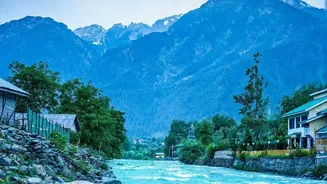
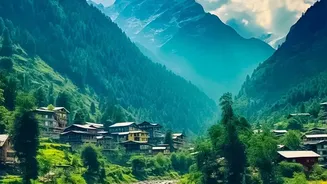
Nestled alongside the Great Himalayan National Park, a UNESCO World Heritage Site, Tirthan Valley is an ecotourism haven. During the monsoon, the Tirthan River swells, trading its crystal-clear summer appearance for a powerful, green-grey flow. The valley, known for its quaint homestays and riverside camps, becomes exceptionally lush. While trout fishing may be suspended due to the strong currents, the experience shifts to indoor comforts and short explorations. You can spend your days on short walks through forest trails when the rain subsides, discover hidden waterfalls, or simply sit by a window in a traditional wooden homestay, sipping tea and enjoying fresh, home-cooked Himachali meals. The entire valley feels alive, a perfect backdrop for reading, reflection, and quiet conversations.
Shoja: A Hamlet Wrapped in Mist
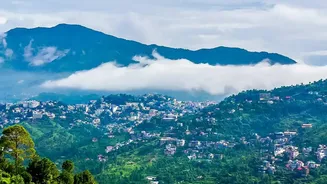
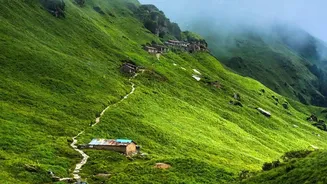
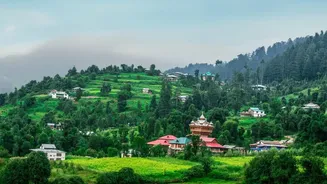
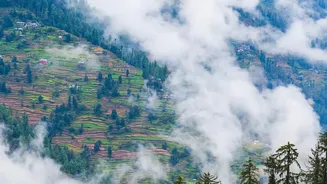
A short, steep drive up from the main valley road lies Shoja, a tiny village that feels like a perch in the clouds. If Tirthan is about the river, Shoja is about the atmosphere. During the monsoon, it is perpetually wrapped in a cinematic layer of mist, giving it a mysterious and tranquil feel. It is quieter and slower than its neighbours, making it the ultimate retreat for those looking to do very little. The main draws here are the stunning views from Jalori Pass and the forest trek to Serolsar Lake. However, monsoon travellers should be aware that access to these can be unpredictable. The charm of a monsoon stay in Shoja lies in its cozy guesthouses and cabins, where you can watch the fog move through the forests and enjoy the profound mountain silence.
A Practical Guide for the Monsoon Traveller
A monsoon trip to these valleys is deeply rewarding, but it requires preparation. Road conditions can be challenging, with the stretch between Mandi and Aut being prone to landslides. It's wise to add buffer days to your itinerary and travel during daylight hours. High-altitude treks to places like Jalori Pass may be possible, but the trails will be slippery and potentially leech-prone. It is best to treat such excursions as a bonus, not a guarantee. The key is to embrace a slower pace. Power cuts can happen, so see it as a chance for a digital detox. Choose your accommodation wisely; homestays on higher ground are often a safer bet than those right on the riverbank, as water levels can rise. Opt for hosts with deep local knowledge who can provide reliable updates on weather and road access.
What to Pack for Your Rainy Retreat
Packing correctly is essential for a comfortable monsoon experience. A reliable waterproof jacket and pants are non-negotiable. Sturdy trekking shoes with excellent grip are crucial for navigating slippery paths. Even though it’s the monsoon, the evenings can get chilly, so bring warm layers like fleece jackets and woollen socks. A power bank is a lifesaver during common electricity outages. Carry a basic first-aid kit with any personal medications you need. And finally, don't forget a good book or two for those long, cozy afternoons when the rain doesn't stop, turning your stay into a peaceful reading retreat.