


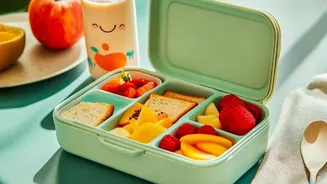
The Tiffin Gets a Modern Twist
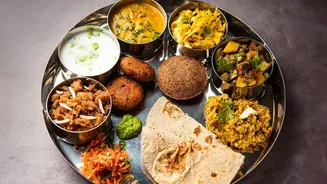
For generations, the stainless steel tiffin, or 'dabba', has been an icon of the Indian workday and school life. Its stacked compartments efficiently carry a comforting meal of roti, sabzi, dal, and rice. While its practicality is undisputed, a new contender
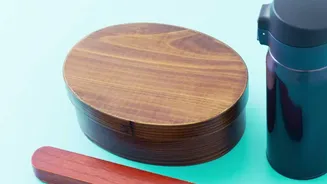
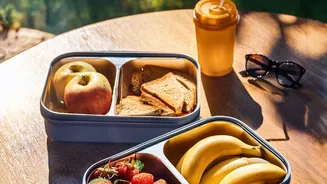
is emerging, inspired by the Japanese bento box. This isn't about replacing the beloved dabba, but rather evolving it. The bento concept, which traditionally packs a single-portion meal with multiple components in separate sections, is influencing how Indians think about their portable lunches. The result is a fusion: the vibrant flavours of Indian cuisine presented with the mindful organization of a bento.
Why the Bento Buzz?
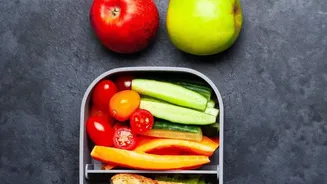
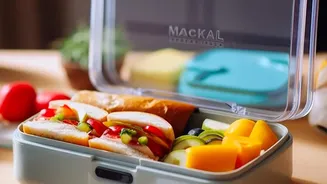
Several factors are driving this shift. A growing consciousness around health and wellness is leading many to seek balanced, portion-controlled meals. The bento box's compartmentalized design naturally encourages this, making it easier to pack a variety of food groups without them mixing. There's also the undeniable influence of global culture and social media, where the aesthetic appeal of a beautifully arranged meal is a major draw. For busy students and professionals in hybrid work environments, a compact, mess-free, and visually pleasing lunchbox that offers a diverse tasting experience is incredibly appealing. The bento format provides a solution that is both stylish and practical for modern lifestyles.
The Art of the Indian Bento
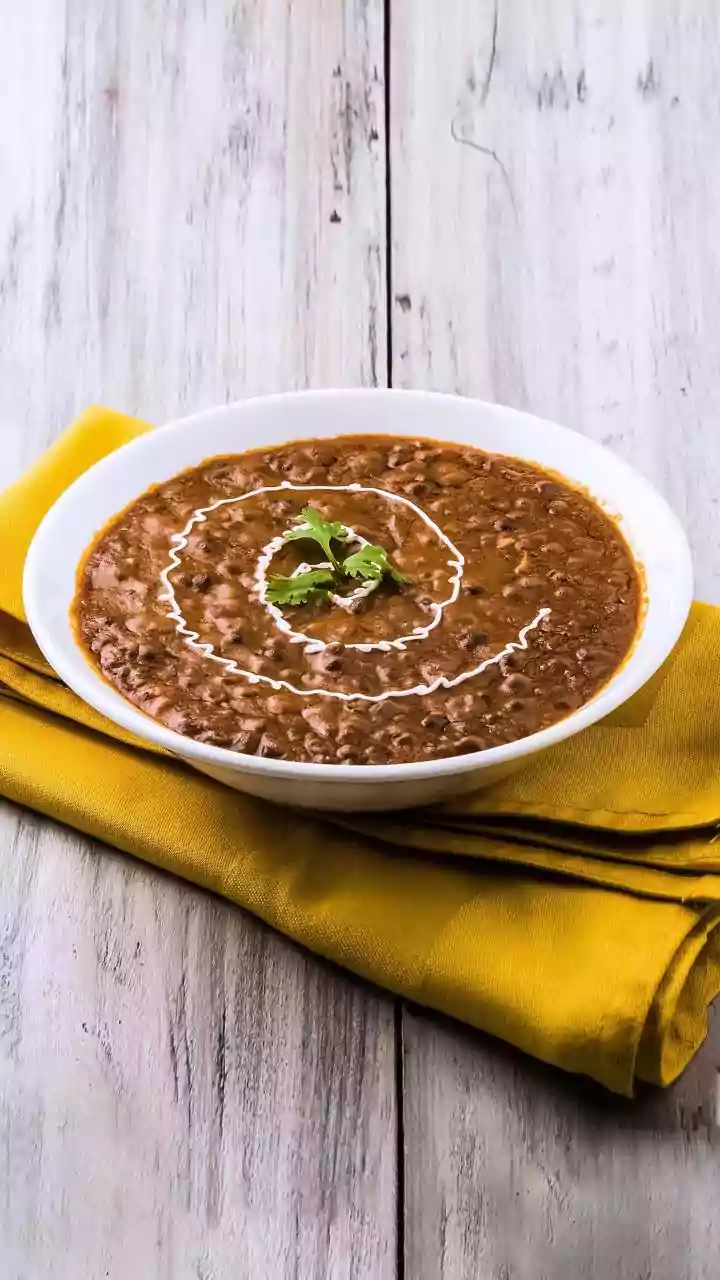
At its core, the bento philosophy is about balance, variety, and presentation—principles that resonate with the Indian 'thali' concept. An ideal bento often follows a ratio, such as four parts carbohydrate, three parts protein, and two parts vegetables. This framework translates wonderfully to Indian food. Imagine a box with a section for jeera rice or a rolled-up paratha, another for paneer tikka or chickpea salad, a third for a dry vegetable stir-fry or a cooling cucumber raita, and a small spot for a pickle or a piece of fruit. The key is to keep dishes with gravy or liquids in well-sealed compartments to maintain freshness and prevent sogginess. This approach ensures every component retains its intended flavour and texture.
Building Your Own Indian-Inspired Box
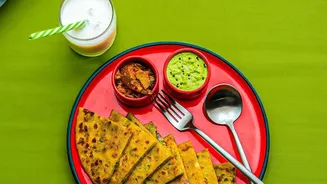
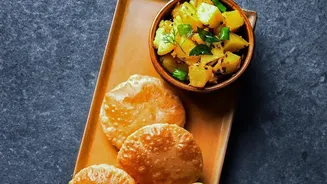
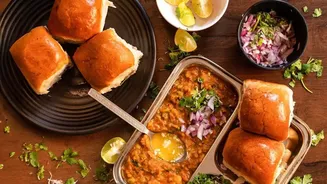
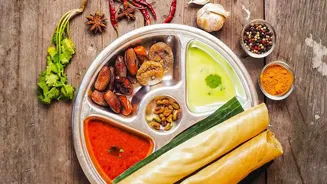
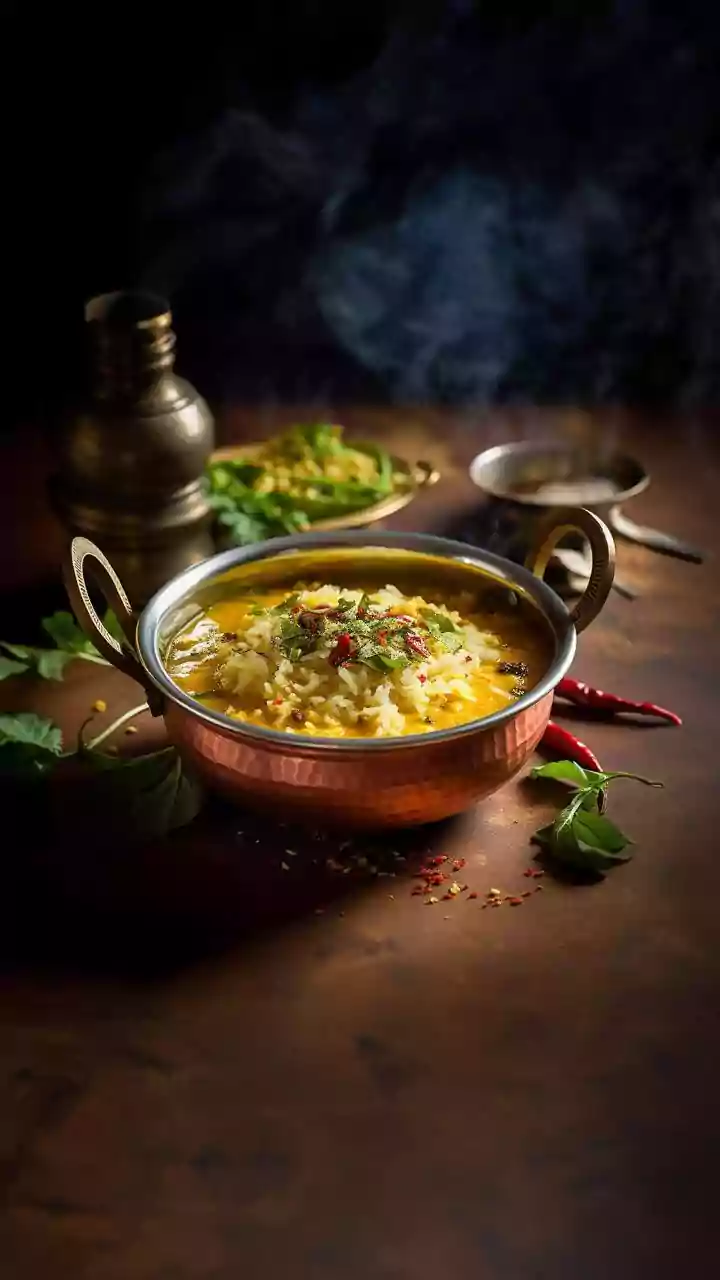
Creating an Indian bento is easier than it sounds and offers endless variety. You can deconstruct classic meals into bento-friendly components. Think mini samosas with a mint chutney dip, roti rolls filled with a spicy potato mixture, or a colourful vegetable pulao paired with a simple dal. A South Indian-inspired box might feature lemon sevai, mini masala dosas, and a side of coconut chutney. Even street food favourites like chana chaat can find a place in a bento. The goal is to pack smaller quantities of diverse items, making lunchtime more engaging and nutritionally complete. It's about transforming the midday meal from a routine into a delightful and mindful experience.