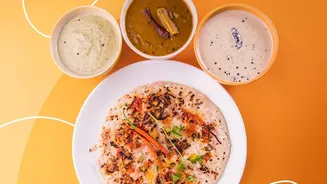



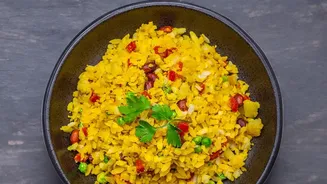
The Indian food landscape is changing. Dishes once confined to home kitchens and specific regions are now appearing on national chain menus. This is more than a trend; it’s a culinary shift bringing India’s vast diversity to the forefront.
A New Culinary Map of India
For decades,
mainstream Indian dining was dominated by a few famous dishes like butter chicken, biryani, and dosa. While beloved, these offerings represented only a fraction of the country's immense culinary heritage. Today, that narrative is expanding. Restaurant chains are moving beyond broad 'North Indian' or 'South Indian' labels to explore the specific, hyper-local flavours of individual regions and communities. Diners in big cities can now experience the spicy, millet-based cuisine of Kathiyawad, the earthy dishes of the Badaga people from the Nilgiris, or the mustard-infused specialities of Bengal. This shift is driven by a growing curiosity among Indian diners who want to explore the tastes of their own country, turning a simple meal into an act of discovery.
The Challenge of Scaling Authenticity
Taking a recipe from a single kitchen to a national chain is fraught with challenges. The first hurdle is consistency. A dish’s unique flavour often relies on specific local ingredients, precise spice blends, and cooking techniques passed down through generations. Replicating this across multiple outlets is difficult, as even small variations in ingredients or temperature can alter the taste. Sourcing is another major issue. Finding a reliable, large-scale supply of a particular regional chilli or a specific foraged green for a national operation can be a logistical nightmare. Furthermore, there is a shortage of chefs trained in the nuances of many of these specific regional cuisines, making it hard to execute dishes faithfully at scale.
The Art of Thoughtful Adaptation
To overcome these hurdles, chains are turning to a combination of technology and strategy. Many now use central kitchens to prepare key components like spice mixes and base gravies under controlled conditions, which are then shipped to individual restaurants. This ensures a consistent flavour profile across all locations. Digital recipe management systems, which store detailed instructions on tablets in the kitchen, help standardize preparation and cooking, guiding chefs to produce the same result every time. Adaptation also occurs on the plate. To make a dish more approachable for a wider audience, chefs might tone down extreme spice levels or substitute a rare ingredient with a more widely available alternative. The goal is not to dilute the dish but to make its core flavours accessible without alienating new palates.
Why Now? The Appetite for Discovery
Several forces are fueling this trend. Indian diners, especially younger generations, are more adventurous than ever, partly thanks to social media food vloggers and travel creators who showcase hidden culinary gems. There's a growing sense of pride in regional identity and a desire for food that tells a story. For restaurant chains, offering hyper-local dishes is a powerful way to stand out in a crowded market. Instead of competing on the same handful of popular dishes, they can offer something unique that provides a distinct point of view. Authenticity has become a commercial advantage, building trust with a more informed and discerning customer base.
The Authenticity Debate: Dilution or Celebration?
The national popularization of regional food inevitably sparks a debate about authenticity. Some purists argue that adapting recipes for a commercial palate—by reducing spice or changing ingredients—strips them of their true character. They worry that the nuances of a dish, rooted in a specific place and culture, are lost in the process of standardization. However, another perspective sees this as a celebration. Proponents argue that introducing these flavours to a national audience, even in a slightly modified form, helps preserve culinary traditions that might otherwise be forgotten. It makes these cuisines accessible, allowing more people to appreciate the diversity of Indian food. This exposure can create new fans who may then seek out more traditional versions, ultimately supporting the cuisine's heritage.