






The All-or-Nothing Fitness Trap
You start the week with ambitious goals: five high-intensity gym sessions. By Wednesday, you're sore, exhausted, and dreading the next workout. By Friday, you’ve given up, promising to “start again on Monday.” This all-or-nothing approach is a common
reason why many well-intentioned fitness plans fail. Research on habit formation highlights that this cycle of extreme effort followed by long gaps is a major obstacle to long-term health. The human brain often mistakes intensity for productivity, leading people to believe that if a workout doesn't leave them exhausted, it wasn't effective. This mindset can be particularly challenging for office employees juggling long hours, mental fatigue, and sedentary work, making sustainable exercise feel out of reach.
What Is Low-Intensity Exercise?
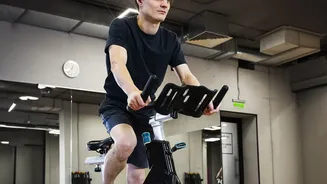
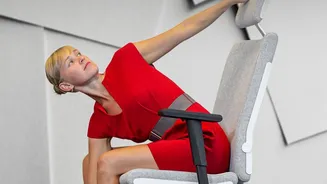
Low-intensity steady-state (LISS) exercise involves any physical activity that keeps your heart rate at a consistent, comfortable pace, typically around 50% of your maximum ability, for a sustained period. Think of activities where you can still hold a conversation without getting breathless. This includes brisk walking, light cycling, swimming, using an elliptical machine, or gentle yoga. Unlike high-intensity interval training (HIIT), which involves short bursts of maximum effort, LISS focuses on duration and consistency over raw power. This approach puts minimal strain on your joints and muscles, making it highly accessible for all fitness levels, including beginners or those recovering from injury.
Lowering the Barrier to Entry
One of the biggest advantages of low-intensity workouts is the low psychological barrier. For someone new to exercise or returning after a break, the thought of a grueling session can be intimidating enough to prevent them from starting at all. Low-intensity activities, however, feel more approachable and less daunting. Because they are less physically demanding, they are less likely to cause extreme soreness or fatigue, which helps create a positive association with exercise. This is crucial in the early stages of habit formation, where the goal is simply to make the behavior automatic. Studies show that people who start with manageable, moderate exercise have a lower dropout risk than those who jump straight into high-intensity routines.
Reduced Risk of Burnout and Injury
A key reason low-intensity exercise promotes consistency is its role in preventing both physical and mental burnout. Pushing your body to its limit day after day increases the risk of overuse injuries, which can derail your progress for weeks or months. Low-impact options like swimming or cycling protect your joints while still providing cardiovascular benefits. Furthermore, moderate exercise has been shown to be effective in reducing symptoms of workplace burnout, such as emotional exhaustion. A study found that employees who engaged in moderate activity felt less exhausted and more personally satisfied than their less active colleagues, and that high-intensity exercise did not provide greater benefits in this area.
The Mental Health and Productivity Boost
The benefits of gentle exercise extend beyond the physical. The steady, rhythmic nature of activities like walking or swimming can act as a form of moving meditation, reducing stress and improving mental clarity. Exercise is known to promote the release of mood-enhancing chemicals like endorphins, serotonin, and dopamine. This can lead to improved mood, better sleep quality, and reduced symptoms of anxiety and depression. For office workers, this mental refresh can translate directly into a more productive workday, helping to combat the mental fatigue or 'brain fog' that comes from long hours at a desk.
Simple Ways to Get Started
Incorporating low-intensity exercise into a busy schedule doesn't require a gym membership or a huge time commitment. The key is to find activities you enjoy and can easily fit into your day. Start with a 30-minute brisk walk during your lunch break. Take the stairs instead of the elevator. Try a beginner's yoga class online. Use a stationary bike or elliptical while listening to a podcast. Even short bouts of activity add up. The goal is not perfection, but repetition. It's about building a foundation of regular movement that becomes a non-negotiable part of your routine.