



The Unseen Danger: Mastering Eye Safety
Of all the factors that shape your eclipse experience, this is the one you cannot compromise on. Staring directly at the sun, even when it is partially obscured, can cause severe and permanent eye damage known as solar retinopathy. The sun’s intense ultraviolet
and infrared radiation can burn the cells in your retina without you even feeling it. Regular sunglasses, no matter how dark, are completely unsafe for eclipse viewing. To watch the partial phases of an eclipse, you must use special-purpose solar filters, such as “eclipse glasses” or handheld viewers that meet the international safety standard ISO 12312-2. These filters are thousands of times darker than regular sunglasses and are designed to block nearly all visible light as well as harmful UV and IR rays. Before use, always inspect your glasses for any scratches or damage and discard them if they are compromised. The only time it is safe to look at the eclipse without protection is during the brief period of totality, when the moon completely blocks the sun's face. The moment the sun begins to reappear, you must put your viewers back on.
The Weather Gamble: Playing the Cloud Game
After securing your eye safety, the next biggest variable is the weather. A thick blanket of low clouds can completely obscure the main event, turning a spectacular celestial show into just a gloomy afternoon. However, not all clouds are a deal-breaker. Thin, high clouds might still allow for a decent view, sometimes adding a dramatic, diffused effect to the spectacle. Patchy clouds can be a source of suspense, parting just in time for the key moments. Interestingly, some types of fluffy cumulus clouds have been observed to dissipate as the moon begins to block the sun and the ground cools. For serious eclipse chasers, weather planning is a major part of the strategy. This involves monitoring multiple forecasts in the days leading up to the event and being prepared to drive to a location with a clearer sky. For most viewers, it’s about managing expectations. Have a primary viewing spot, but keep an eye on cloud cover maps and be mentally prepared for nature’s unpredictability. Even if clouds do interfere, you will still experience the eerie daytime darkness and temperature drop that make a total eclipse so unique.
The Human Element: Navigating the Crowds
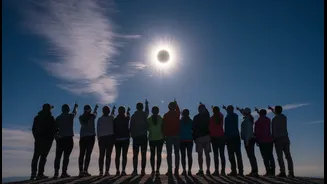
Solar eclipses, especially total ones, are massive public events that can draw huge crowds to the path of totality. This shared experience can be a powerful part of the day, filled with a sense of community and collective awe. However, it can also lead to significant logistical challenges. Traffic can be gridlocked for hours before and after the event, accommodation can be scarce, and viewing spots can become packed. To make the most of it, planning is essential. Arrive at your viewing location well in advance, and plan to stay put for a while after the eclipse ends to let traffic subside. Pack everything you will need for the day—water, snacks, chairs, and sunscreen—as local resources may be strained. When choosing a spot, consider the balance between being in the heart of the action and having enough personal space to set up and enjoy the moment without obstruction. Sometimes the most memorable experience isn't in the busiest park, but in a quieter spot shared with a few others.
Your Eclipse Game Plan for India
While the major total solar eclipse of August 2026 will not be visible from India, the country is positioned for a significant partial solar eclipse on August 2, 2027. This event will be visible across the nation in the late afternoon, offering a fantastic opportunity for sky-gazers. To prepare, start by acquiring certified ISO 12312-2 eclipse glasses now from reputable vendors; they often sell out closer to the date. In the week leading up to August 2, 2027, begin monitoring weather and cloud cover forecasts for your location. Finally, decide whether you prefer a large public gathering or a quiet spot with family and friends. A little forethought on these three fronts—safety, weather, and your viewing environment—will ensure your experience of this incredible celestial alignment is as breathtaking and memorable as possible.