

1. Inspect Your Tyres and Brakes
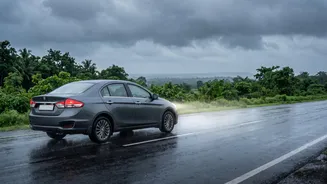
Your tyres are the only part of your car in contact with the road, and their performance is critical on wet surfaces. Before leaving, check that your tyres have adequate tread depth. Good tread helps channel water away, preventing a dangerous phenomenon
known as aquaplaning, where your car essentially floats on a layer of water, leading to a complete loss of control. Also, ensure they are inflated to the correct pressure. Equally important are your brakes. Wet roads significantly increase your car's stopping distance. Listen for any squealing noises and make sure the brake pedal feels firm. Responsive brakes are non-negotiable when a vehicle ahead stops suddenly in low visibility.
2. Test Wipers and Check Visibility
If you can't see, you can't drive safely. This seems obvious, but worn-out wiper blades are a common culprit for poor visibility during heavy rain. Test them before you go; they should clear the windscreen smoothly without leaving streaks or making skipping noises. If they do, it's time for a replacement. While you're at it, top up your windshield washer fluid. The first few minutes of rain can kick up oily residue from the road, and a good washer fluid can cut through that grime when the rain itself isn't enough. Also, ensure your defroster or air conditioner is working to prevent the inside of your windows from fogging up.
3. Confirm All Lights Are Working
During a downpour, your lights are not just for helping you see, but for helping others see you. Do a quick walk-around of your vehicle and check that your headlights, taillights, brake lights, and turn signals are all functioning correctly. Driving with headlights on, even during the day, makes your vehicle far more conspicuous to other drivers and pedestrians. It’s a simple flick of a switch that drastically improves your safety. However, avoid using high beams in heavy rain, as the light can reflect off the raindrops and cause glare, reducing your own visibility.
4. Assemble a Basic Emergency Kit
Getting stranded is never ideal, but it's significantly worse in the middle of a torrential downpour. A basic emergency kit can provide safety and comfort. Key items include a powerful, waterproof flashlight (as your phone's torch won't be enough if you need your hands free), a first-aid kit, and a tow rope. Jumper cables are also crucial, as damp conditions can sometimes affect a car's battery. It’s also wise to pack a portable phone charger or power bank, drinking water, and some non-perishable snacks like granola bars. Getting stuck in a long traffic jam caused by waterlogging is a common monsoon headache, and being prepared makes it more bearable.
5. Check Your Route and Weather Updates
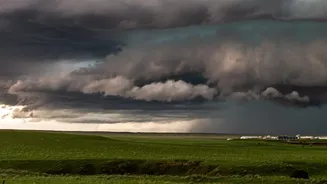
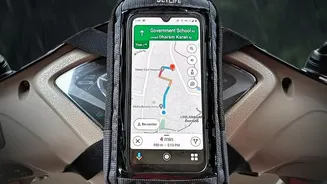
The final check happens right before you lock your door. Take a minute to check the latest weather forecast and traffic updates for your route. Apps and local news can provide real-time information on waterlogged areas, fallen trees, or accidents. In India, even a short, intense spell of rain can quickly flood underpasses and low-lying roads. Remember that it takes just six inches of water to cause a car to lose control or stall, and a foot of water can float many vehicles. If reports show severe conditions on your planned route, the safest decision might be to delay your trip or find an alternative path. It’s always better to be a little late than to risk getting stuck in a dangerous situation.