

In a world grappling with textile waste, a vibrant and age-old solution comes from the heart of Gujarat. Chindi rugs, born from frugality and ingenuity, are transforming discarded fabrics into beautiful statements of sustainability.
The Soul of 'Chindi'
Long before 'upcycling'
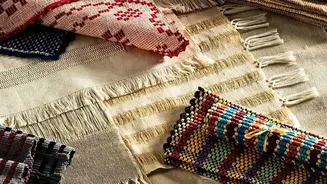
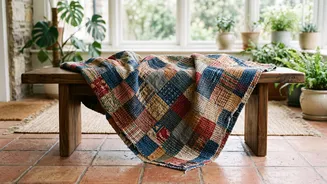
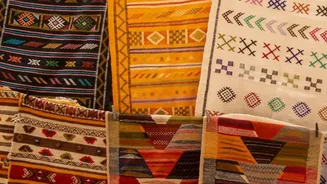
became a global buzzword, it was a way of life in countless Indian villages. The term 'Chindi' literally translates to 'scrap' or 'torn cloth' in Hindi. This craft is built on the simple, powerful principle that nothing should go to waste. Chindi rugs, also known as rag rugs, are a testament to this philosophy. They are created by weaving or braiding together strips of leftover fabric—from post-industrial offcuts to pieces from old saris and garments. Each rug is a mosaic of colours and textures, a one-of-a-kind piece with a story woven into its very fibres.
From Waste to Weave
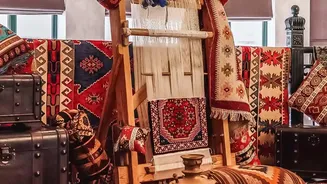
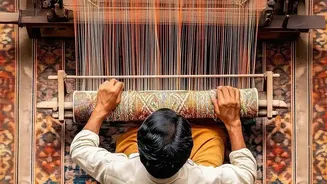
The process of creating a Chindi rug is a masterful act of transformation. It begins with the collection of fabric scraps, which are then sorted by colour and material. These pieces are meticulously cut into long, uniform strips. Artisans, many of whom are women working from their homes, then take these strips and skilfully braid or weave them. On traditional handlooms, these colourful fabric 'wefts' are interlaced with a sturdy cotton or jute 'warp' to create durable, flat-woven rugs known as dhurries. The result is not just a floor covering, but a functional piece of art that prevents tonnes of textile waste from ending up in landfills.
Weaving a Stronger Community
The impact of Chindi rug making extends far beyond environmental benefits. This cottage industry provides a crucial source of livelihood, particularly for women in rural areas of Gujarat and neighbouring states like Rajasthan. By enabling artisans to work from home, the craft offers financial independence and flexible employment that can fit around family life. Organisations and social enterprises often work to eliminate middlemen, ensuring that artisans receive fair wages for their skilled labour. This economic empowerment helps to preserve traditional skills and strengthens the fabric of entire communities, funding education and improving quality of life.
A Renaissance in Conscious Decor
As consumers around the world become more conscious of their environmental footprint, traditional crafts like Chindi weaving are experiencing a modern renaissance. These rugs perfectly align with the growing demand for sustainable, ethically produced, and handmade home decor. What was once a humble, utilitarian item is now celebrated for its rustic charm and eco-friendly credentials. Designers and global buyers are increasingly drawn to the authenticity and character of Chindi rugs, valuing them as unique pieces that bring warmth, colour, and a compelling story into modern homes.