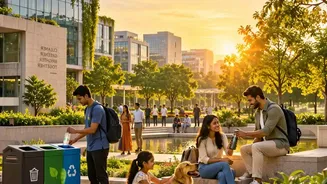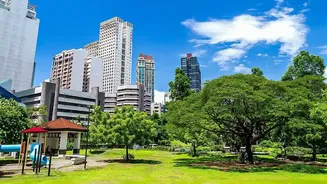


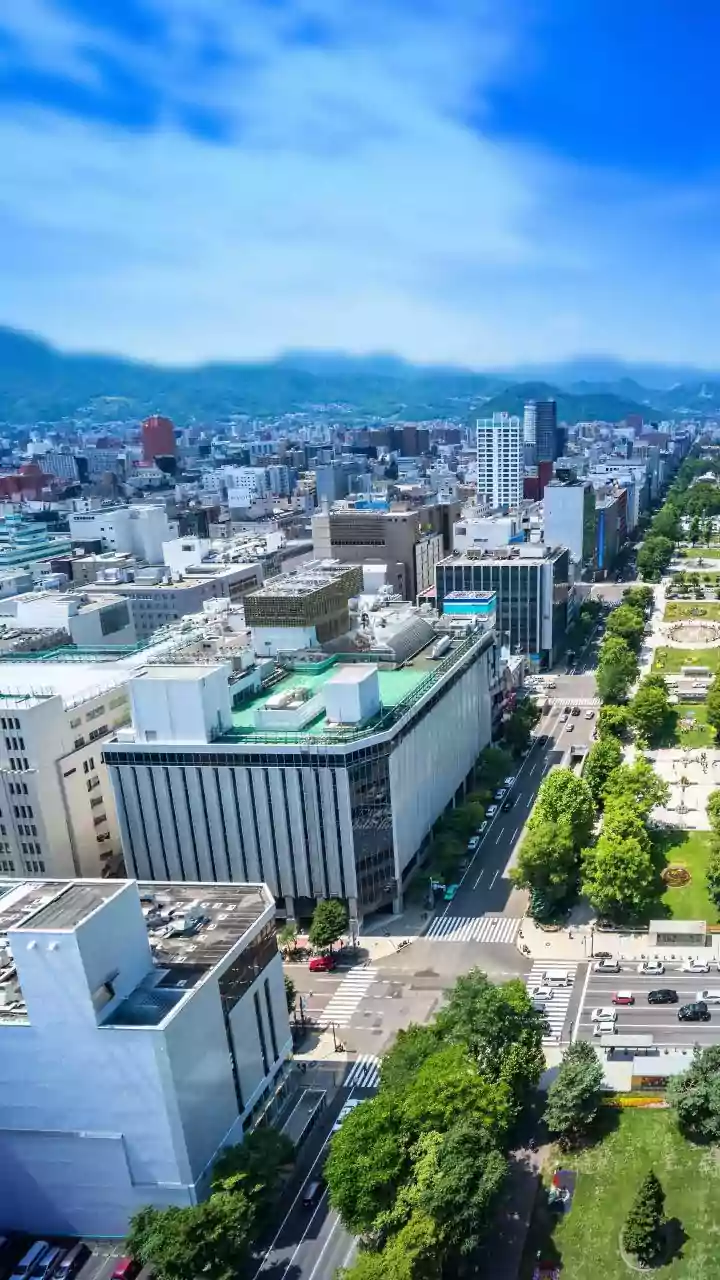


In the concrete sprawl of India's bustling cities, a simple patch of green can feel like an oasis. For millions, local public parks are more than just land; they are essential spaces for health, community, and peace in a fast-paced world.
A Sanctuary for Mental Well-being
The relentless
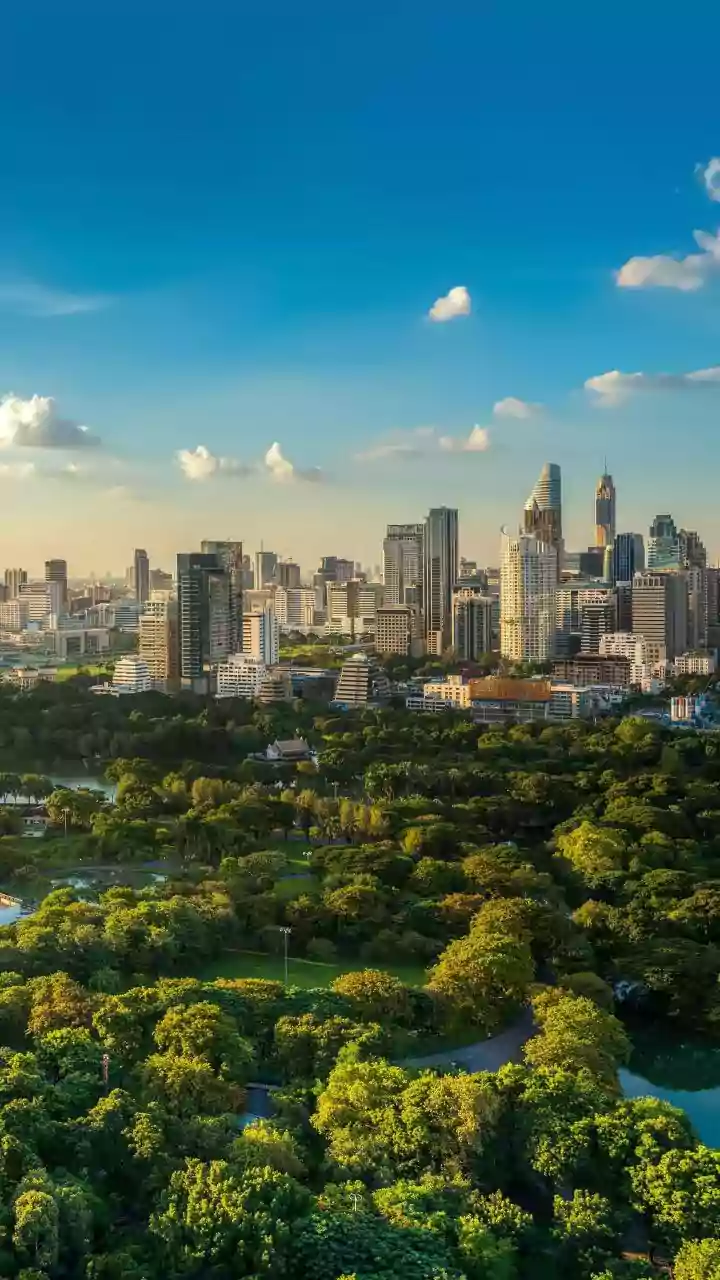
pace of urban life can take a toll on mental health. Cities, with their noise, pollution, and population density, are often epicentres of stress and anxiety. In this environment, public parks serve as crucial sanctuaries for psychological restoration. Research consistently shows that access to green spaces is linked to reduced stress, lower levels of anxiety and depression, and greater overall life satisfaction. The simple act of spending time in nature, a concept known as 'biophilia' or our innate desire to connect with the natural world, has profound benefits. A walk among trees, the sight of open sky, and the sound of birds can lower cortisol levels and reduce ruminative thinking—the repetitive focus on negative thoughts. In a world where mental wellness is a growing priority, parks offer a free, accessible, and effective tool for daily self-care, providing a much-needed escape from the sensory overload of the city.
The Most Accessible Gym in Town
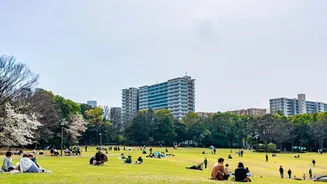
For many city residents, staying physically active comes with a price tag, whether it's a costly gym membership or specialised classes. Public parks democratise fitness by offering a free and accessible alternative. They are versatile venues that accommodate a wide range of activities catering to all fitness levels. You'll find dedicated walking and jogging tracks filled with people from dawn till dusk, open lawns used for yoga and laughter clubs, and spaces where children and adults alike play cricket, badminton, or football. Parks encourage an active lifestyle simply by being there, providing a safe and convenient space for daily exercise. This is particularly important in densely populated areas where there is often a shortage of space for physical activity. By promoting regular exercise, parks help reduce the risk of chronic health issues, contributing to a healthier urban population and potentially lowering healthcare costs for the community as a whole.
The Heartbeat of Community Life
Beyond health and fitness, parks are vital social infrastructure. They are one of the few places in a city where people from all walks of life can gather and interact, fostering a sense of community and social cohesion. These spaces function as 'third places'—environments outside of home and work where people can connect. In a park, neighbours become familiar faces, and strangers can bond over shared activities, whether it's watching their children play, joining a game of chess, or simply sharing a bench. This interaction builds social capital, strengthening community ties and fostering a sense of belonging. Parks host cultural events, festivals, and local gatherings, further reinforcing their role as the living room of the neighbourhood. They are inclusive spaces where age, income, and social status fade into the background, allowing for genuine human connection to flourish.
A Space for Every Generation
One of the unique strengths of a public park is its ability to serve multiple generations simultaneously. They are truly multi-use, multi_generational spaces. In one corner, you might see senior citizens engaged in light exercises or animated conversations. Nearby, a dedicated play area is filled with the laughter of young children developing crucial social and motor skills through outdoor play. Meanwhile, adults and teenagers use the open fields for sports or find a quiet spot to read or relax. For children in dense urban areas, parks provide an essential space for unstructured play, which is critical for healthy development but often lacking in modern city life. They offer a safe environment for kids to explore, interact, and connect with nature. This universal appeal ensures that parks are constantly in use, providing value to every segment of the community throughout the day.