





The Bullet Train Project So Far
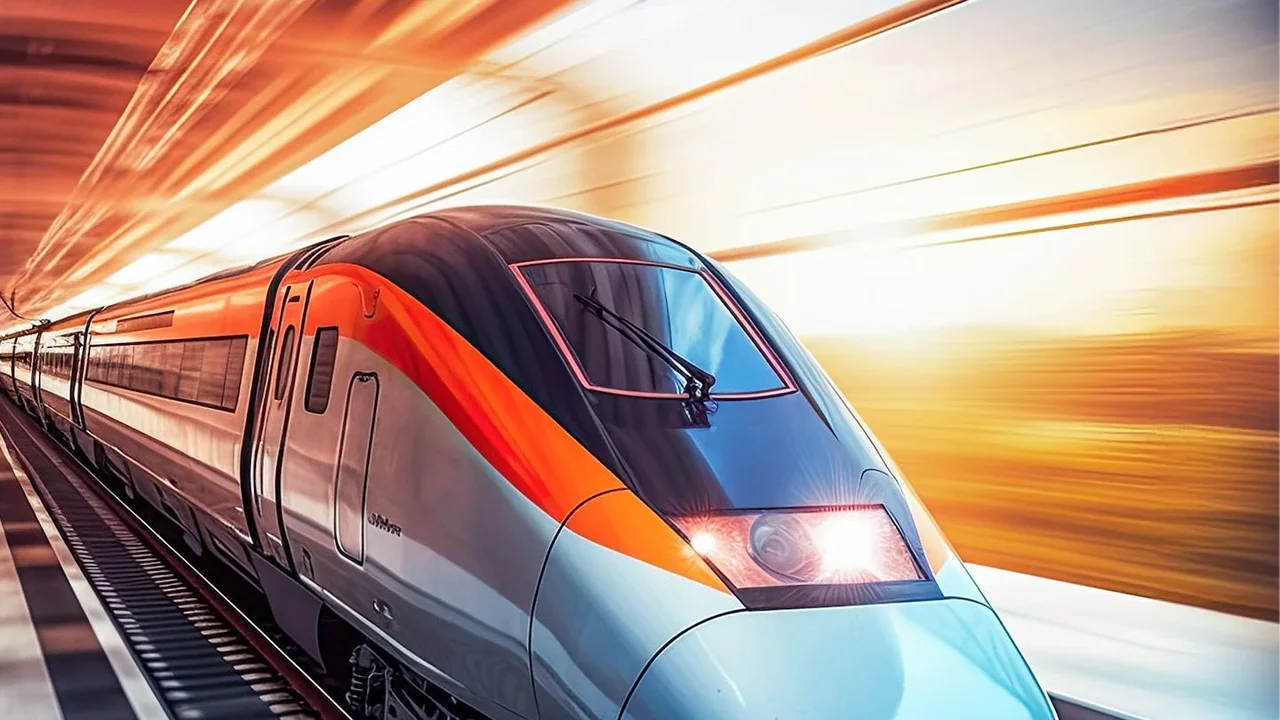
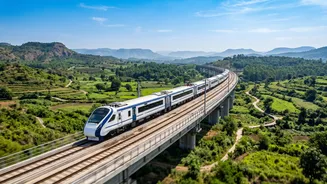
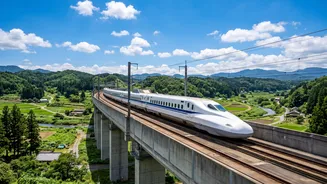
India's first high-speed rail corridor, connecting Mumbai and Ahmedabad over a 508-kilometre stretch, is rapidly taking shape. Recent updates from Railway Minister Ashwini Vaishnaw confirm that the project is progressing at a strong pace, with significant
construction milestones being achieved. Civil works on major sections are advancing, and the first test coach has already been manufactured. The corridor will feature 12 stations, including major hubs like Mumbai (BKC), Surat, Vadodara, and Ahmedabad. While the full line is projected to be complete by 2029, the first service on the Surat to Bilimora section is anticipated to launch as early as August 2027, marking a new era in Indian travel.
The Vision for Extension
The headline's mention of an "extension" primarily points towards the long-term vision of creating a larger high-speed network, with the most logical and discussed extension being from Ahmedabad northwards to Delhi. The National High Speed Rail Corporation Limited (NHSRCL), the body executing the project, has already prepared a Detailed Project Report (DPR) for an 886-km Delhi-Ahmedabad corridor. This route is designed to be a direct, interoperable extension of the Mumbai-Ahmedabad line. The plan reflects a broader strategy to connect India's major economic centres. The Union Budget for 2026-27 announced seven new high-speed corridors, including routes like Delhi-Varanasi and Mumbai-Pune, signaling a firm commitment to expanding the network nationwide.
Tackling the Travel Bottleneck
The need for such an extension is clear. The Mumbai-Ahmedabad-Delhi corridor is one of the most saturated travel routes in the country, suffering from immense pressure on both road and existing rail networks. Highways like the Mumbai-Ahmedabad route and the Ahmedabad-Vadodara expressway frequently experience traffic volumes that far exceed their designed capacity, leading to severe congestion and delays. Commuters in cities like Mumbai and Delhi already lose hundreds of hours annually to traffic jams, with average rush-hour speeds dipping into the low double digits. A high-speed rail link promises to dramatically slash travel times. The existing Mumbai-Ahmedabad bullet train is expected to complete its journey in just over two hours. An extension to Delhi would cut the grueling 12-hour-plus train journey down to approximately 3.5 hours, offering a transformative alternative to air and road travel.
Economic and Regional Impact
Beyond easing passenger woes, a connected high-speed corridor from Mumbai to Delhi would act as a powerful economic catalyst. By linking India's financial capital (Mumbai), a major industrial and economic hub (Ahmedabad), and the national capital (Delhi), the line would create a seamless artery for business, commerce, and tourism. This improved connectivity is expected to stimulate economic activity and support urban development all along the route. Furthermore, the experience and technical knowledge gained from constructing the Mumbai-Ahmedabad line are creating a standardised template for future projects. This includes developing an indigenous manufacturing ecosystem for high-speed rail components, which aligns with the 'Make in India' initiative and promises to reduce costs and accelerate construction on future corridors.
Challenges on the Horizon
While the vision is compelling, the road to a fully extended corridor is paved with challenges. High-speed rail projects are incredibly capital-intensive, with massive costs associated with land acquisition, construction, and technology. The Mumbai-Ahmedabad project itself has faced delays and rising costs since its inception. Extending the line to Delhi will require navigating complex land acquisition across multiple states, including Gujarat, Rajasthan, and Haryana. Officials have noted that securing land and obtaining various clearances could take several years before construction can even begin in earnest. However, learnings from the first corridor are expected to streamline this process for future expansions, with alignments planned to run alongside existing highways and railway lines where possible to minimise disruption.