






Understand the Enemy: Humidity
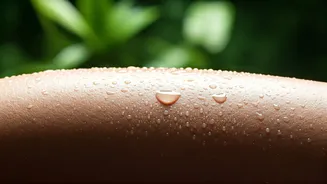
The primary challenge for your skin during monsoon is the spike in humidity. High moisture in the air prevents sweat from evaporating, creating a sticky film on your skin. [5, 14] This mixture of sweat and natural oils (sebum) becomes a magnet for dirt
and pollutants, which can lead to clogged pores, blackheads, and acne. [12, 17] Furthermore, this warm, damp environment is the perfect breeding ground for bacteria and fungi, increasing the risk of infections like ringworm and athlete's foot. [3, 15, 19] Your skin's sebaceous glands often go into overdrive, producing more oil to compensate for the disrupted balance, making you feel even greasier. [5, 9]
Secret 1: Switch to Lightweight Hydration
It’s a common mistake to skip moisturiser when your skin feels oily. However, dehydrated skin can actually trigger even more oil production. [2, 25] The secret is to swap your heavy creams for lightweight, non-comedogenic (pore-blocking) formulas. [9, 18] Look for gel-based or water-based moisturisers that absorb quickly without leaving a greasy residue. [8, 23] Ingredients like hyaluronic acid are excellent for providing hydration without weight, while niacinamide is a monsoon superstar for regulating oil production and minimising pores. [2, 7, 18]
Secret 2: Double Down on Cleansing, Gently
With all the extra sweat and grime, cleansing becomes crucial. It’s important to wash your face twice a day to remove impurities and prevent clogged pores. [8, 11] However, avoid harsh, stripping soaps that can damage your skin’s protective barrier and paradoxically increase oiliness. [8, 17] Opt for a gentle, pH-balanced, or soap-free cleanser. [13, 24] If you wear makeup or heavy sunscreen, consider double cleansing in the evening—starting with an oil-based cleanser to break down products, followed by a gentle water-based wash.
Secret 3: Don’t Skip Sunscreen, Even When It's Cloudy
One of the biggest myths is that you don't need sunscreen during the monsoon. Up to 80% of the sun's harmful UV rays can penetrate through cloud cover, leading to sun damage, tanning, and pigmentation. [4, 16] The secret is to choose the right formula. A lightweight, gel-based or oil-free sunscreen with an SPF of 30 or higher is non-negotiable. [2, 4] This will protect your skin without adding to the sticky feeling. [13]
Secret 4: Tackle Fungal Foes Proactively
The dampness of monsoon makes it an ideal time for fungal infections to thrive, especially in skin folds like underarms, the groin, and between the toes. [3, 19] Prevention is key. Always dry yourself thoroughly after a shower, paying special attention to these areas. [16] Wear loose, breathable cotton clothing to allow for air circulation and avoid synthetic fabrics that trap moisture. [3, 10] If you are prone to infections, using an antifungal powder can help keep your skin dry and protected. [4, 11]
Secret 5: Exfoliate, But With Caution
Gentle exfoliation is beneficial during the monsoon to help remove the buildup of dead skin cells and keep pores clear. [4, 22] This helps prevent dullness and breakouts. However, over-exfoliating can damage the skin barrier and cause irritation. [4] Stick to mild exfoliation once or twice a week. Chemical exfoliants containing AHAs (alpha-hydroxy acids) or BHAs (beta-hydroxy acids like salicylic acid) are often a gentler and more effective option than harsh physical scrubs for monsoon skin. [4, 11]