




Tyres: Your First Line of Defence
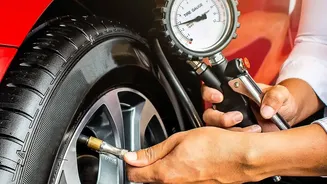
Your tyres are the only part of the car in contact with the road, making them critical for safety on wet, slippery surfaces. Before you set off, inspect the tread depth. For monsoon driving, a depth of at least 3mm is recommended to effectively channel
water and prevent hydroplaning—a dangerous situation where your tyres lose contact with the road. You can use a one-rupee coin to get a quick idea; if the coin's edge is fully visible when inserted into the groove, your tyres are likely too worn. Also, check the tyre pressure when they are cold, ensuring it matches the manufacturer's recommendation found on a sticker inside the driver's door. Don't forget the spare tyre; ensure it's properly inflated and ready for an emergency.
Brakes: The Ultimate Safety Net
Braking performance is significantly affected by wet conditions, and your stopping distance can increase dramatically. Before your trip, listen for any squealing or grinding noises when you apply the brakes, as these are clear signs that the brake pads need inspection. If the brake pedal feels spongy or soft, it could indicate the presence of moisture in the brake fluid, a serious safety hazard that requires immediate attention from a mechanic. After driving through waterlogged areas, gently tap the brakes a few times while moving slowly to help dry the components and restore their effectiveness.
Visibility: Wipers and Lights
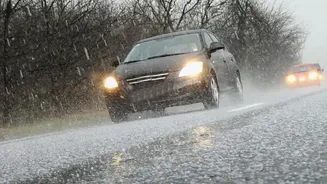
Heavy rain drastically reduces visibility, making functional wipers and lights non-negotiable. Wiper blades degrade in the summer heat, so if they leave streaks or make a skipping noise, replace them. It's a small cost for a massive improvement in safety. Top up your windshield washer fluid, preferably with a proper solution that helps clean oily grime from road spray. Also, do a complete check of all your car's lights: headlights (low and high beam), tail lights, brake lights, and indicators. In the low visibility of a downpour, your lights are crucial not just for you to see, but for others to see you.
Battery and Electricals: Averting a Breakdown
The increased use of wipers, lights, and the defogger puts extra strain on your car's battery during the monsoon. High humidity and moisture can also lead to electrical malfunctions. Check the battery terminals for any signs of corrosion (a white, powdery deposit) and ensure the connections are tight. If your battery is more than three years old, it's wise to have it professionally tested before a long trip. A weak battery is one of the most common causes of monsoon breakdowns, and it’s an inconvenience you can easily avoid.
Seals and Interior: Keeping the Water Out
Nothing ruins a road trip faster than a damp, musty car interior. Before you leave, inspect the rubber seals around your doors, windows, and sunroof. Hardened or cracked seals can allow water to seep in, leading to damp carpets, foul smells, and potential damage to electronics. Clogged drainage channels, often blocked by leaves and debris, can also cause water to accumulate and enter the cabin. A quick clean-out of these areas can save you from a lot of trouble. Also, consider using all-weather rubber mats, which are easier to clean and prevent water from soaking into the car's flooring.
Under the Hood: Engine and Fluids
A quick check under the hood is a vital part of any pre-trip inspection. Ensure all essential fluids—engine oil, coolant, and brake fluid—are at their recommended levels. Driving through waterlogged streets poses a significant risk to your engine. Never attempt to drive through water that is deeper than the centre of your wheels. If water enters the engine's air intake, it can cause 'hydro-lock', a catastrophic failure that can permanently damage the engine. If you ever stall in water, do not try to restart the car; get it towed to a safe, dry place.