




Choose Your Fabrics Wisely
The golden rule for monsoon clothing is to ditch heavy fabrics like denim and even standard cotton. They absorb moisture, take ages to dry in high humidity, and can become uncomfortably heavy. Instead, build your wardrobe around lightweight, quick-drying
synthetic materials. Fabrics like polyester, nylon, and blends designed for athletic wear are ideal as they wick moisture away from your skin and dry quickly even without direct sunlight. For a more natural feel, consider linen or lightweight cottons like voile, which are highly breathable and allow for better airflow, preventing that sticky feeling common in humid weather. Packing three to four sets of quick-dry clothing is a smart strategy. A thin, lightweight fleece or woollen layer is also a good idea for cooler evenings, especially in hill stations.
The Secret to Dry Tech
Nothing ruins a trip faster than a water-damaged phone or camera. Your primary defence is a multi-layered one. Start with a waterproof phone pouch, which allows you to use your device even during a light drizzle. For added security for all your electronics, including power banks, chargers, and cameras, use dry bags or a series of sealable ziplock bags. These are indispensable for organizing and protecting your gear inside your main backpack. It’s also wise to pack a few silica gel packets and toss them into the bags where you store your electronics; they are excellent at absorbing ambient moisture and preventing condensation from forming inside your devices. Finally, consider investing in a high-quality waterproof backpack or, at the very least, a reliable waterproof cover for your existing bag.
Solving the Soggy Shoe Problem
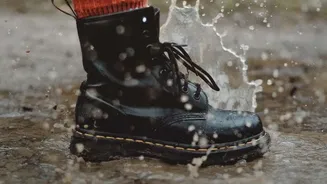
Wet shoes are not just uncomfortable; they can also lead to foul odours and skin issues. Avoid packing shoes made of leather or suede, which get ruined by water. Instead, opt for waterproof footwear with a good grip to handle slippery surfaces. Waterproof sandals, floaters, or rubber shoes are excellent choices for walking through wet streets. For treks or more rugged terrain, consider waterproof hiking shoes. A key secret is to never wear the same pair of shoes two days in a row; give them at least 24 hours to dry out completely. To speed up the drying process, stuff them with crumpled newspaper, which absorbs moisture effectively. For persistent odours, sprinkle some baking soda inside overnight to neutralize smells and absorb leftover dampness.
Your Monsoon Health and Safety Kit
The rainy season can increase the risk of water-borne illnesses and mosquito-borne diseases. Your standard first-aid kit should be supplemented with a few monsoon-specific items. Pack a strong insect repellent containing DEET, as mosquito activity spikes during this time. Antifungal powder or cream is also essential to prevent skin infections caused by the constant humidity. It’s also wise to include electrolyte or ORS sachets to combat dehydration, which can happen surprisingly fast in humid conditions. Keep your medicines and first-aid supplies in a waterproof pouch to ensure they stay dry and effective when you need them most.
Essential Extras You Shouldn’t Forget
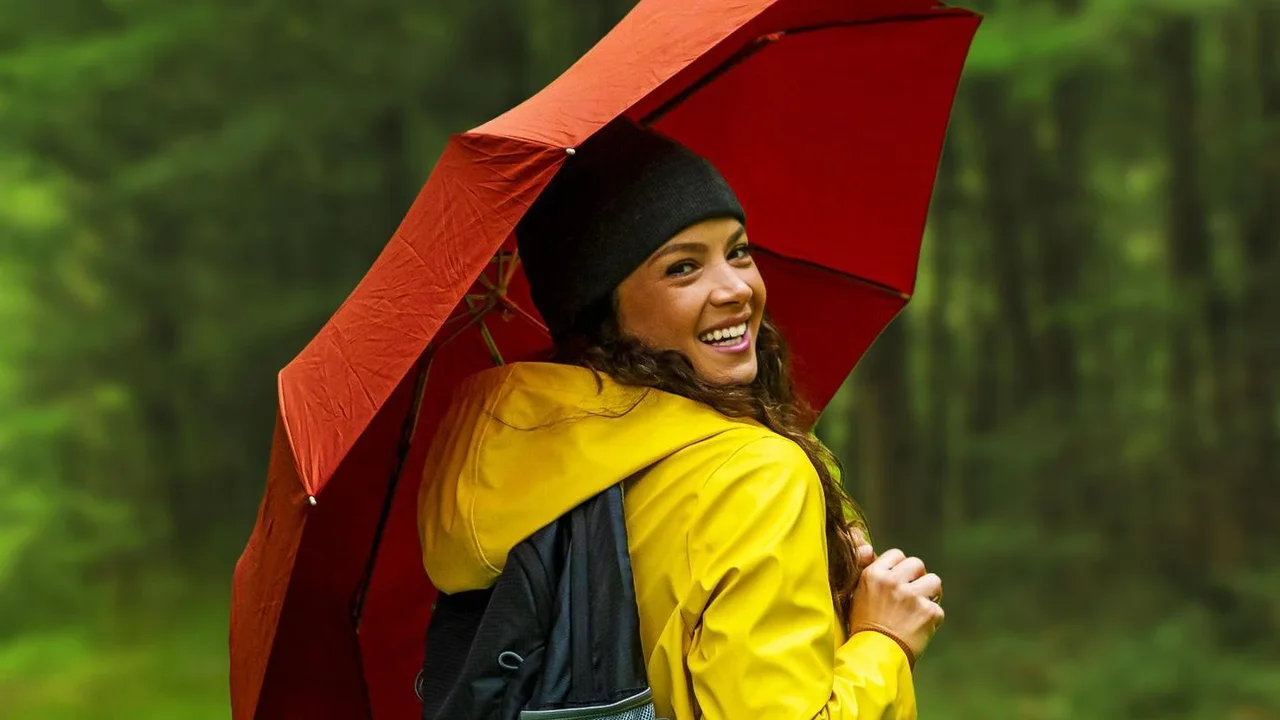
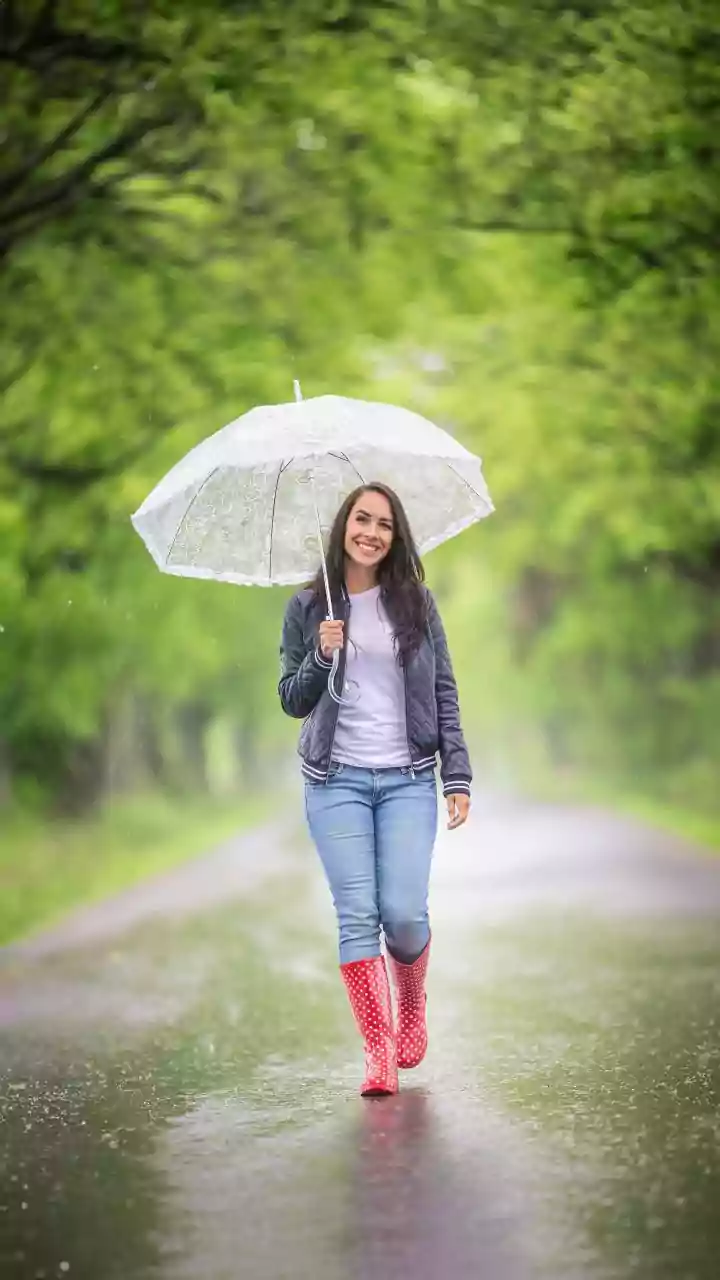
A few small items can make a huge difference in your comfort and convenience. A compact, wind-resistant umbrella is great for quick dashes in the rain. A quick-dry microfibre towel is another must-have; it takes up minimal space and dries much faster than a standard cotton towel. Since power cuts can be more frequent during the monsoon, a fully charged power bank is non-negotiable for keeping your devices running. Finally, pack a few extra plastic bags or a dedicated laundry bag to isolate your wet and dirty clothes from the clean, dry items in your luggage.