






First, Assess the Situation
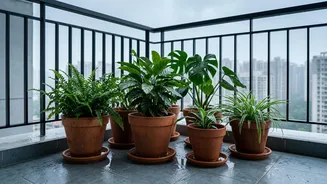
Before you start fixing things, take a moment to survey your plants. Look for signs of waterlogging, such as yellowing lower leaves, wilting despite wet soil, and a musty smell from the pots. Check for any broken stems or branches, tattered leaves, and soil erosion
that might have exposed roots. This initial inspection will help you prioritise your tasks and address the most urgent issues first. Gently remove any accumulated debris like fallen leaves from the soil surface to improve airflow and prevent rot.
Deal with Waterlogged Pots
The most immediate threat after heavy rain is root rot, which happens when roots are deprived of oxygen in saturated soil. First, ensure every pot's drainage hole is clear and not blocked. If a pot is waterlogged, carefully tilt it to let excess water drain out. For severely soaked soil, you might consider gently removing the plant to check the roots. If they are brown and mushy, root rot has begun. Trim the rotten roots with clean shears before repotting in fresh, well-draining soil. To help the soil dry faster, you can temporarily remove any mulch and avoid watering until the top few inches of soil feel dry to the touch.
Prune and Clean Up
Pruning is essential for helping plants recover. Use clean, sharp secateurs to trim away any broken, damaged, or diseased branches. Make clean cuts just below the damaged area to encourage new, healthy growth. Removing damaged parts prevents the plant from wasting energy on them and reduces the risk of diseases taking hold. Also, snip off any yellowing or rotting leaves, as these can harbor fungal spores. Good airflow is critical, so thin out any overcrowded areas to help leaves dry faster.
Replenish Washed-Out Nutrients
Heavy rainfall can leach essential nutrients like nitrogen and calcium from the soil, leaving your plants hungry. A few days after the soil has had a chance to dry out, it's time to feed your plants. Replenish lost nutrients by adding a layer of rich compost or well-rotted manure to the topsoil. This organic matter not only provides a slow release of nutrients but also improves soil structure and drainage. For a quicker boost, you can use a balanced liquid fertiliser, but avoid over-fertilising stressed plants. Seaweed solution can also act as a great plant tonic to help them recover from stress.
Watch for Pests and Diseases
The warm, humid conditions following a monsoon are an open invitation for fungal diseases and pests. Keep a close eye out for common issues like powdery mildew, black spot, and leaf spot, which appear as discoloration or spots on foliage. Snails and slugs also thrive in damp environments. Improve air circulation by spacing out your pots and pruning where necessary. Remove any affected leaves immediately to prevent spread. For persistent fungal issues, a copper-based fungicide can be effective, while neem oil is a good organic option for managing pests.
Plan for the Next Downpour
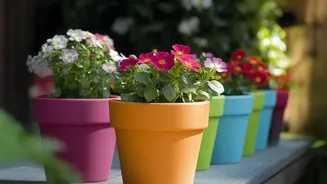
Every weather event is a learning opportunity for a gardener. As you revive your plants, think about how you can better prepare for the next rainy season. Consider which of your plants struggled and which thrived. You might want to invest in more rain-tolerant species like marigolds, begonias, or lemongrass for your balcony. Improving soil drainage is key; adding materials like cocopeat, perlite, or sand to your potting mix can prevent future waterlogging. Using pot feet or raising your containers on bricks can also significantly improve drainage and prevent pots from sitting in water.