



The Great Fabric Debate: What to Wear and Avoid
The single most important decision for monsoon dressing is your choice of fabric. The wrong material can leave you feeling sticky, damp, and uncomfortable all day. Heavy fabrics like denim and pure, thick cotton are major culprits; they absorb a lot of water
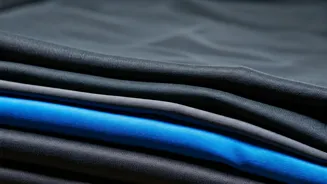
and take forever to dry in humid conditions. [9, 13, 16] Similarly, materials like silk and leather are best avoided, as they can be permanently damaged by water spots. [6, 9, 13] Instead, your wardrobe heroes are lightweight, quick-drying synthetics and blends. Fabrics like polyester, georgette, crepe, rayon, and nylon are excellent choices. [3, 6, 9, 17] They don't hold moisture, allowing them to dry quickly even after a sudden downpour, and they tend to resist wrinkling when damp. [3, 9] This means you'll look put-together, not like you've wrestled with a rain cloud. For those who prefer natural-feeling materials, cotton-linen blends can be a good compromise for days with light drizzle, as the linen content helps the fabric hold its shape and dry faster than pure cotton. [6]
Rethink Your Silhouette: Shorter is Smarter
Navigating waterlogged streets and muddy puddles calls for a strategic approach to hemlines. Long, flowing maxi dresses, floor-grazing skirts, and wide-legged palazzos that look chic in dry weather become a liability in the rain. [2, 4] They are guaranteed to get soaked, drag through mud, and leave you with dirty, damp hems. [5] The practical and stylish solution is to opt for shorter lengths. Cropped pants, culottes, capris, and ankle-length trousers are your best friends, keeping the fabric safely away from the ground. [4, 5, 8] Similarly, knee-length or midi-dresses and skirts are perfect for staying cool, comfortable, and clean. [2, 4] This isn't just about avoiding dirt; shorter, less voluminous silhouettes prevent your clothes from clinging uncomfortably to your skin when wet and allow for better air circulation in the sticky humidity. [17]
Footwear That Weathers the Storm
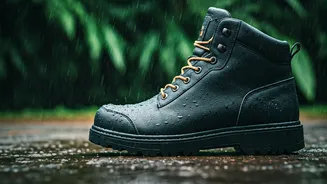
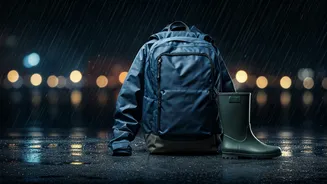
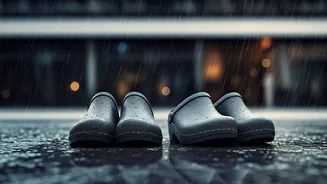
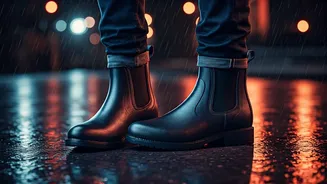
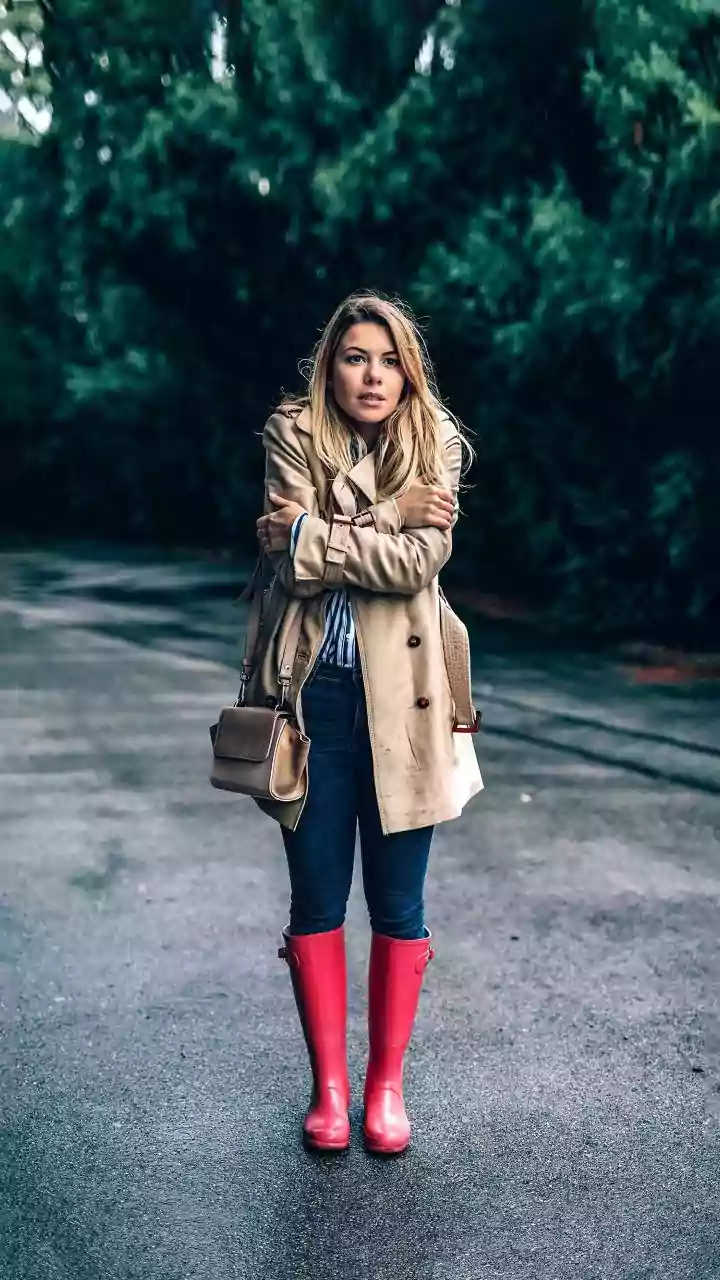
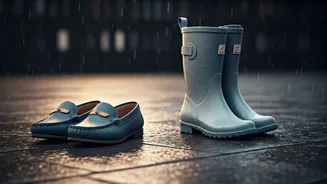
No monsoon outfit is complete without the right footwear. This is arguably the area where function is most critical. Leather and suede shoes are an absolute no-go; they get ruined by water, leading to stains and cracks. [13, 22] Canvas sneakers are equally impractical as they act like sponges, soaking up water and taking ages to dry, which can lead to discomfort and fungal infections. [5, 22] Your best bets are waterproof or water-resistant materials. Rubber or PVC footwear, such as stylish jelly sandals, crocs, and modern flip-flops, are ideal. [15, 18, 19] They provide a good grip on slippery surfaces, can be easily washed and dried, and come in a variety of fashionable styles. [18] For a more covered option, closed-toe rubber flats or water-resistant loafers can protect your feet from muddy splashes. [19, 22] If you need a bit of height, wedges are a much safer and more stable option than stilettos on wet pavements. [18]
Accessorise with Purpose
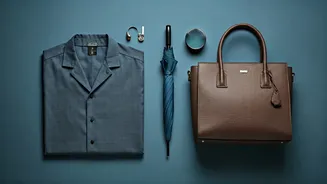
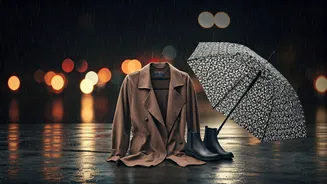
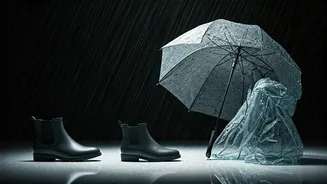
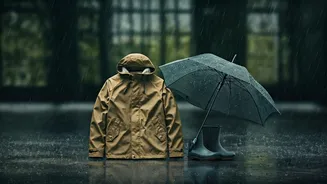
Monsoon accessories are less about adornment and more about intelligent protection. Your beautiful leather handbag is not a friend to the rain; invest in a trendy waterproof tote or a nylon backpack to keep your essentials, especially electronics, safe and dry. [2, 5, 21] When it comes to jewellery, it's wise to avoid delicate or rust-prone metals. Instead, opt for statement pieces made from plastic, resin, or other waterproof materials. [14] A vibrant, compact umbrella is a non-negotiable accessory that can also add a pop of colour to a gloomy day. [5] A lightweight, quick-dry scarf can also be a multi-purpose hero—use it to protect your hair from a sudden drizzle or to add a stylish layer without adding heat. [9, 10] The key is to choose accessories that are as resilient as they are fashionable.
A Practical Colour Palette
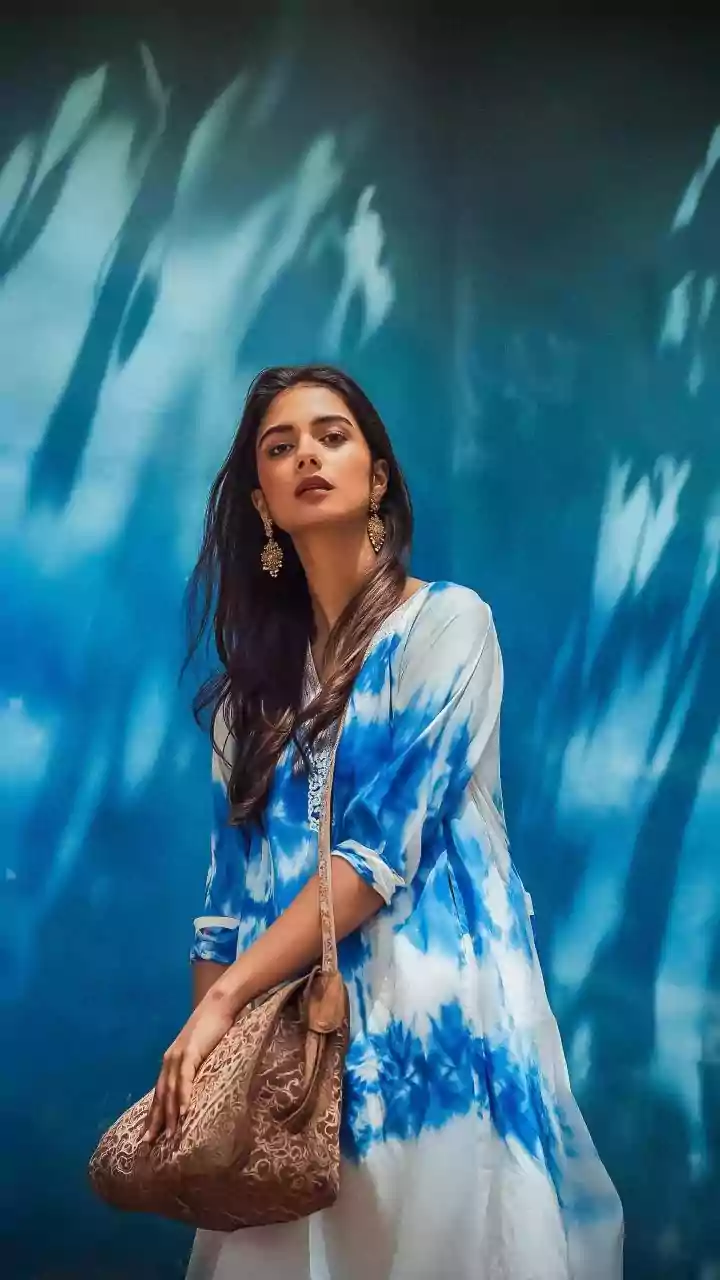
While it may seem intuitive to wear dark colours to hide mud splashes, don't be afraid of a vibrant palette. Grey skies can make the days feel gloomy, and wearing bright colours like yellow, pink, cobalt blue, or orange can be a powerful mood-lifter. [2, 20] Bold prints and patterns are also incredibly practical during the monsoon, as they are excellent at camouflaging any accidental water splashes or stains. [4] However, it is wise to steer clear of whites and very light pastels. These colours tend to become transparent when wet and show every single speck of dirt, which is far from ideal. [13, 14, 16] A mix of dark, practical basics (like navy or black trousers) paired with brightly coloured or printed tops offers a balanced and functional approach.