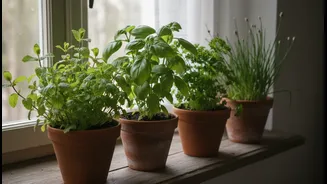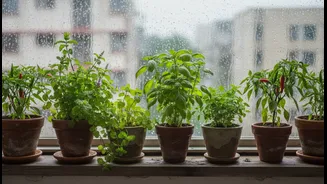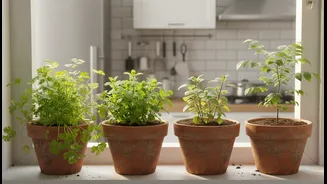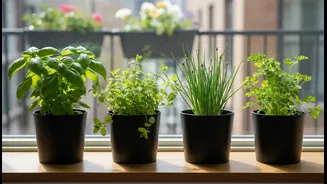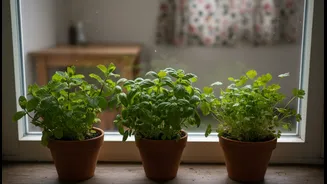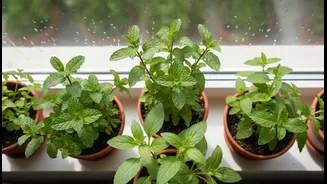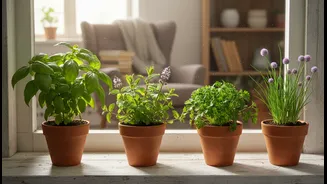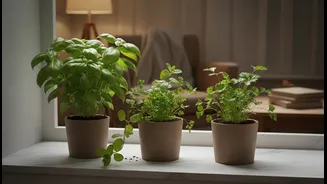






1. Mint (Pudina): The Cool All-Rounder
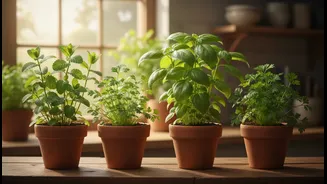
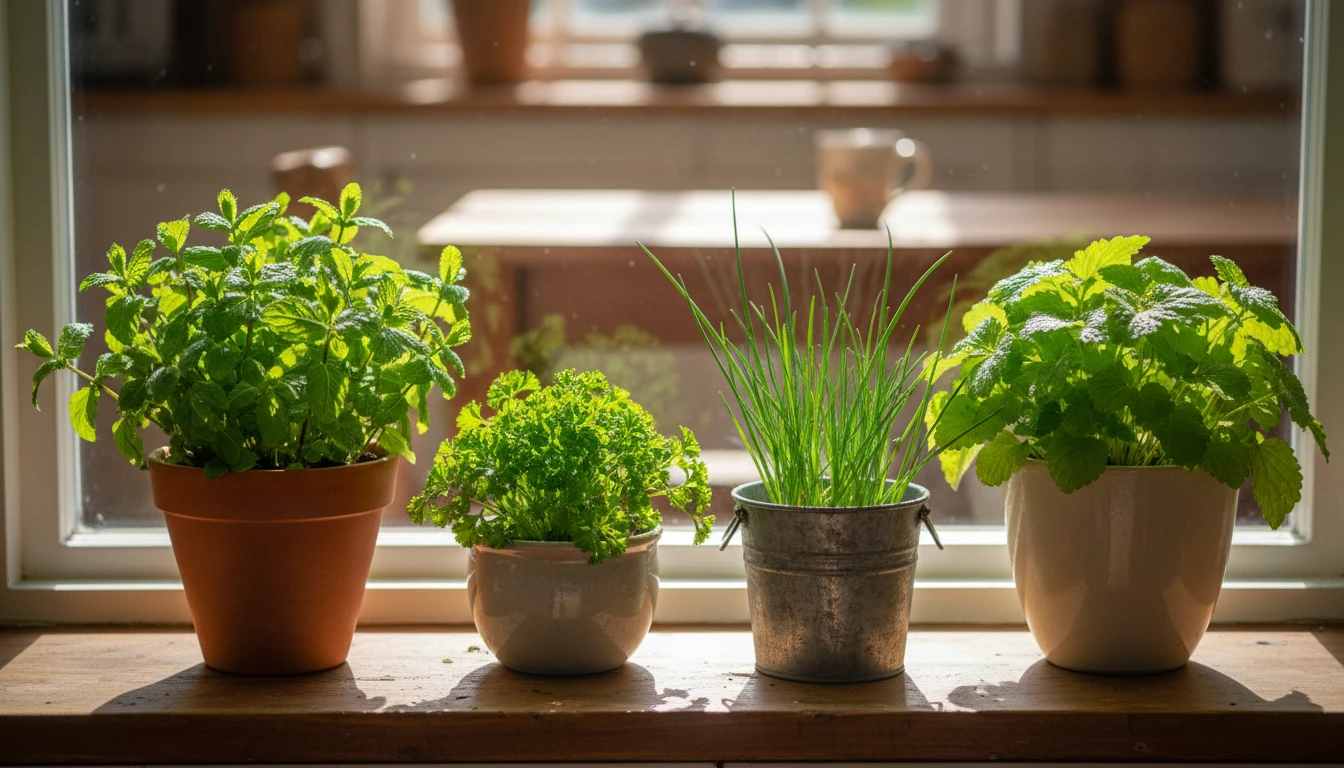
Known for its refreshing aroma and cooling flavour, mint is one of the easiest and most rewarding herbs for beginners. This hardy plant grows quickly and can thrive in a pot with minimal fuss, as long as it receives steady moisture and at least four to
six hours of light daily. It's famously vigorous, so it’s best to keep it in its own container to prevent it from taking over. To grow, you can easily start from a cutting from a friend or a store-bought bunch. Simply place a sprig in water until roots appear, then plant it in a pot with well-draining soil. In the kitchen, a few crushed pudina leaves can transform a simple glass of water or lemonade. It’s an essential ingredient for vibrant chutneys, refreshing raitas, and as a garnish for biryanis and pulaos. For a quick flavour boost, toss fresh leaves into salads or brew them for a calming post-meal tea. Regular harvesting will encourage the plant to become bushier.
2. Coriander (Dhania): The Fresh Finisher
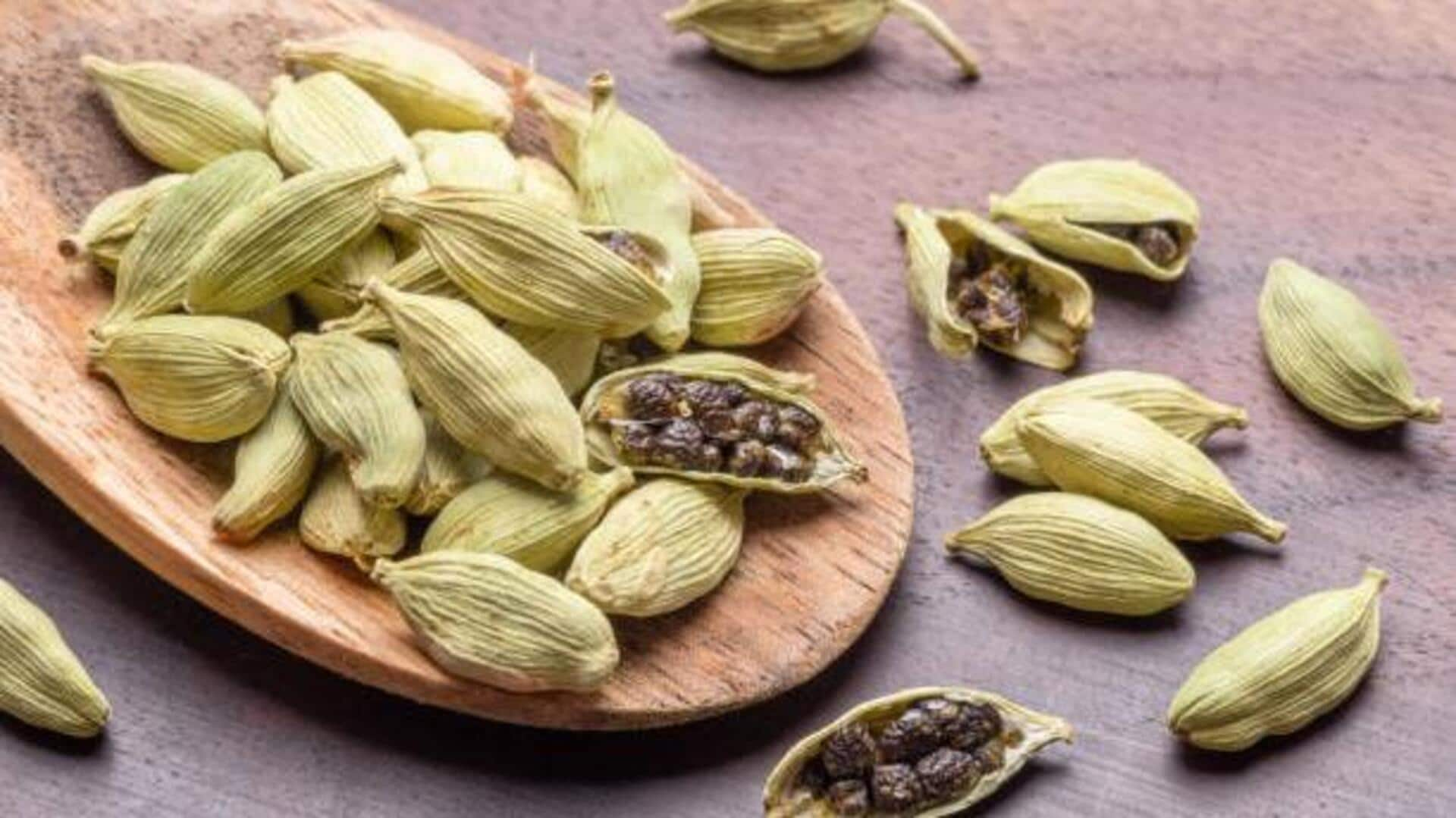
No Indian kitchen is complete without the fresh, citrusy notes of coriander, or dhania. While store-bought bunches can wilt quickly, homegrown coriander provides a constant supply of vibrant leaves. Growing it from seed is straightforward. Lightly crush the whole coriander seeds to split them, then sow them in a pot with loose, well-draining soil. Coriander prefers cooler weather and a spot that gets morning sun but is shielded from the harsh afternoon heat, which can cause it to flower prematurely (a process called bolting). Keep the soil consistently moist but not waterlogged. You can start harvesting the outer leaves in about four to six weeks, allowing the centre of the plant to continue producing new growth. Use it generously as a final garnish for dals, curries, and sabzis. Finely chopped coriander is also a key ingredient in marinades, chutneys, and stuffings for parathas, adding an irreplaceable freshness to countless dishes.
3. Basil: The Aromatic Powerhouse
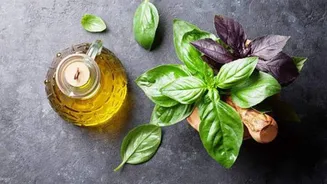
Whether it’s the peppery Holy Basil (Tulsi) for teas or the sweet Italian Basil for global cuisines, this herb is a must-have. Basil loves warmth and needs at least six hours of bright sunlight, making a south-facing windowsill an ideal spot. It grows well in containers with well-drained soil and regular watering. You can grow it from seeds or a seedling from a nursery. Pinching the top leaves regularly will prevent it from flowering and encourage it to grow into a fuller, bushier plant. The culinary uses are endless. Italian basil is the heart of pesto and adds a sweet, aromatic flavour to pasta sauces, pizzas, and salads, especially when paired with tomatoes. Meanwhile, Tulsi leaves can be used to make a flavourful and therapeutic tea. Don't be afraid to experiment by adding fresh basil leaves to sandwiches and soups for an instant flavour upgrade.
4. Parsley: The Bright Unsung Hero
Often relegated to a simple garnish, parsley's bright, slightly peppery flavour deserves a more central role in the kitchen. It’s packed with fresh, green notes that can lighten and balance heavier dishes. The two main types are curly and flat-leaf (Italian), with the latter being more flavourful and generally preferred for cooking. Parsley can be grown from seed, though it can be slow to germinate. It thrives in full sun but will tolerate partial shade, and prefers rich, moist soil. Once established, you can harvest the outer leaves, which allows the plant to continue producing for a long time. Beyond its role as a garnish, chopped parsley can be stirred into soups, stews, and sauces. It’s a key ingredient in Middle Eastern salads like tabbouleh and sauces like chimichurri. Try mixing it with garlic and olive oil to toss with roasted vegetables or pasta for a simple, flavourful meal.