




The Science of Rainy Day Cravings
There’s a reason the pitter-patter of rain sends you dreaming of pakoras. It’s a mix of physiology and psychology. Cooler, damp weather prompts our bodies to seek warm, energy-dense foods to maintain core temperature. Less sunlight can also lead to a minor
dip in serotonin, the brain's mood-regulating chemical, making us crave fatty and carby foods that provide a quick lift. When you combine this with the deeply ingrained memories of enjoying hot snacks with family while watching the rain, the craving becomes almost instinctual. The sound of a sizzling wok and the aroma of frying batter are as much a part of the monsoon experience as the downpour itself.
Northern India's Heartwarming Embrace
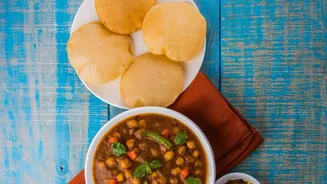
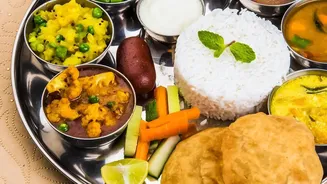
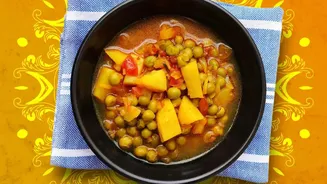
In North India, the monsoon is practically synonymous with a plate of samosas or bread pakoras served alongside a steaming cup of masala chai. The flaky pastry of a samosa, filled with a spicy potato and pea mixture, offers a perfect contrast to the grey skies. Similarly, bread pakora, with its filling of spiced mashed potatoes encased in a gram flour batter and deep-fried, is a nostalgic snack that tastes even better when it's pouring outside. For a more substantial meal, households often turn to dishes like Bedmi Puri with a tangy aloo sabzi or the ever-popular Chole Bhature, turning a rainy day into a feast.
Western India's Crispy Comforts
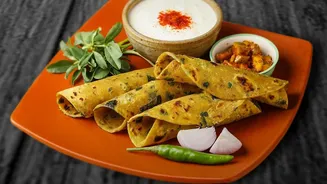
Travel west, and the monsoon narrative is told through a different but equally delicious vocabulary. In Maharashtra, the undisputed king of rainy day snacks is the Kanda Bhaji—crispy onion fritters best enjoyed piping hot from a street-side stall. It shares the throne with the iconic Vada Pav, where a spicy potato fritter (batata vada) is tucked into a soft pav with fiery garlic chutney, offering a complete, satisfying bite. In Gujarat, the monsoon brings cravings for Methi na Gota, savoury fritters made with fenugreek leaves and besan, which are earthy and mildly spicy. Many families also prepare Patra, made by layering spiced gram flour paste on colocasia leaves, which are then steamed and fried.
Eastern India's Soulful Delicacies
For Bengalis, the monsoon brings a culinary shift that is both soulful and celebratory. The quintessential rainy-day meal is a warm bowl of Khichuri, a fragrant one-pot dish of rice and roasted moong dal, often paired with crispy Begun Bhaja (fried eggplant). This simple, comforting meal is considered a perfect antidote to the damp weather. The season also marks the arrival of the prized Hilsa fish, or Ilish. A Bengali monsoon feels incomplete without savouring dishes like Shorshe Ilish (Hilsa in a pungent mustard gravy) or simply Ilish Maach Bhaja (fried Hilsa), which elevates a simple meal into a seasonal delicacy.
Southern Soothers for Rainy Days
Down South, the monsoon's arrival is greeted with its own array of comforting flavours. In Kerala, a cup of tea is often accompanied by Parippu Vada, a crunchy fritter made from coarsely ground lentils, shallots, and spices, which offers a satisfyingly firm bite. Another favourite is Pazham Pori, where ripe plantain slices are dipped in a sweet flour batter and fried to golden perfection. In Karnataka, the craving might be for a Mysore Bonda or a Maddur Vada, both offering a crispy exterior and soft interior. Across the region, a bowl of hot, peppery Rasam is a staple, providing a soothing warmth that invigorates the senses on a cool, rainy day.