
The End of the ‘Sad Beige’ Era
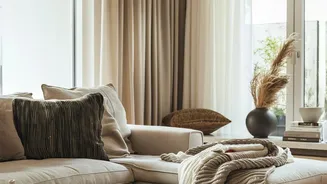
Walk through any high-end decor feed from the early 2020s, and you’ll be met with a sea of sameness: beige walls, beige sofas, and beige rugs. This aesthetic, sometimes dubbed ‘sad beige,’ promised a quiet, uncluttered life. It was the visual equivalent
of a deep, calming breath — a safe and orderly response to a chaotic world. But after years of dominance, what once felt serene now often feels sterile and impersonal. Homeowners are beginning to crave personality and expression, moving away from spaces that look like a showroom and toward ones that feel uniquely their own. The backlash isn't against the colour beige itself, but against the emotional flatness that comes from a lack of texture, depth, and character.
A Welcome Return to Texture and Warmth
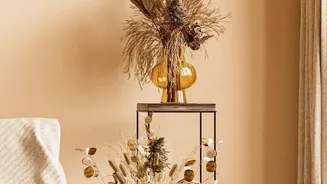
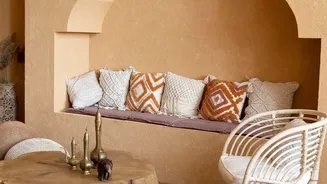
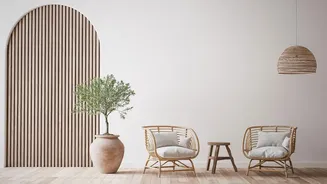
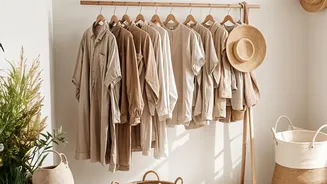
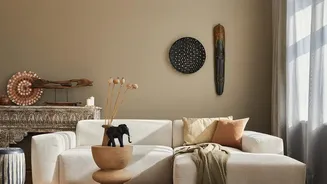
The antidote to the beige fatigue is not a riot of loud, overwhelming colour, but a thoughtful embrace of texture. The emerging trend, often called 'warm minimalism' or 'organic modern,' keeps the clean lines of minimalism but replaces the coldness with cosiness. This is where natural materials shine. Think of the rich grain of a wooden table, the cool smoothness of a stone countertop, the nubby weave of a jute rug, or the soft feel of linen curtains. These elements engage the senses, adding a tactile quality that synthetic materials struggle to replicate. A room filled with varied textures feels layered, dynamic, and interesting, even if the colour palette remains neutral and calming.
Material Matters: Wood, Stone, and Fibres
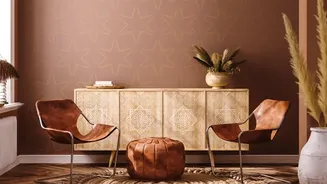
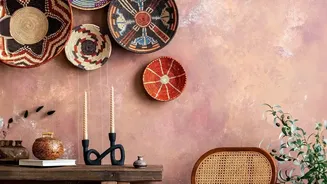
The shift is towards materials that tell a story and possess an inherent authenticity. Wood, in all its forms — from light oak to deep walnut — is being celebrated for its warmth and durability. Designers are even mixing different wood tones in a single space to create a collected, harmonious feel rather than a perfectly matched set. Stone, clay, and terracotta are also making a major comeback, appearing in everything from flooring and wall finishes to handmade pottery. These earthy materials ground a space, giving it a sense of permanence. Alongside them are natural fibres like wool, linen, and woven rattan, which soften interiors and add a layer of handmade character that mass-produced items lack.
Biophilia: More Than Just Houseplants
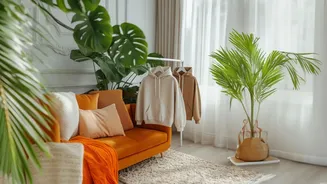
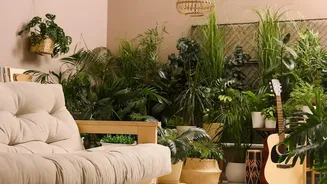
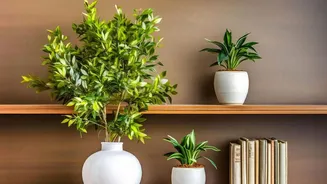
This trend is driven by more than just aesthetics; it’s rooted in a concept called biophilic design. This is the idea that humans have an innate need to connect with nature for their well-being. In a world where many live in dense urban environments, our homes are becoming our primary sanctuary. Incorporating natural elements indoors helps fulfill this biological craving. This goes beyond simply adding a few potted plants. It’s about using materials, patterns, and light that mimic the natural world to create spaces that are restorative and calming. The use of wood, stone, natural light, and organic shapes helps reduce stress and improve our mood, turning our homes into healthier environments.
An Indian Resonance
In India, this global trend feels less like a discovery and more like a return to roots. The principles of biophilic design are deeply embedded in traditional Indian architecture, which has always prioritized natural ventilation, local materials like stone and clay, and the integration of courtyards and green spaces. There is a renewed appreciation for indigenous materials such as teak, cane, and handwoven textiles, which have long been part of the country's craft heritage. As homeowners seek to create spaces that are both modern and connected to their cultural background, these timeless, natural materials are finding a fresh relevance in contemporary Indian homes.