





What is NEAT Anyway?
NEAT stands for Non-Exercise Activity Thermogenesis. It’s a scientific term for the energy you burn doing everything other than formal exercise, eating, or sleeping. Think of it as all the incidental movement in your day: walking to the printer, doing household
chores, tapping your feet, or even just standing up. While a 30-minute gym session is great, it’s only a small part of your 24-hour day. The rest of the time, especially in a desk job, is often spent sitting. Research shows that prolonged sitting can be detrimental to your health, increasing the risk of issues like heart disease, diabetes, and obesity, even if you exercise regularly. NEAT is the powerful antidote to a sedentary lifestyle, helping to keep your metabolism active and improve your overall well-being by integrating movement throughout your entire day.
Make Standing Your Default
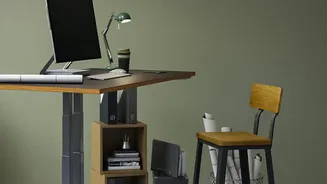
One of the simplest ways to boost your NEAT is to stand more and sit less. If you have access to a standing desk, make a point to use it for portions of your day. Just the act of standing burns significantly more calories than sitting. For example, a person weighing around 65 kg burns about 102 calories an hour while sitting at a desk, but that number jumps to 174 calories just by standing. If you don’t have a standing desk, you can create your own opportunities to stand. Take phone calls while on your feet, pace around your office when you need to think, or stand during meetings when possible. This small change keeps your muscles engaged, improves posture, and enhances blood circulation.
Turn Your Office into a Walking Track
Find excuses to walk whenever you can. Instead of sending an email or an instant message to a colleague a few desks away, get up and walk over to their desk for a face-to-face chat. When you need to refill your water bottle, use the pantry that’s furthest away. Consider taking the stairs instead of the elevator; it's a fantastic mini-workout for your legs and heart. You could also try 'walking meetings'. If a discussion doesn't require a screen, suggest taking it on the move by walking around the office building or a nearby park. These small walks break up long periods of sitting and add up to a significant number of steps by the end of the day.
Embrace the Art of Fidgeting
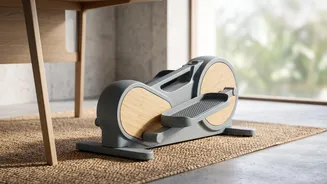
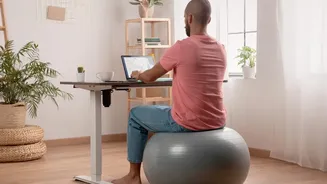
It might sound silly, but fidgeting is a legitimate form of NEAT. Any small, repetitive movement can contribute to your daily energy expenditure. While seated, you can tap your feet, bounce your leg, roll your shoulders, or stretch your neck. These subtle movements, often done unconsciously, keep your blood flowing and muscles engaged. Active sitting chairs or balance balls can also encourage micro-movements while you work, preventing you from staying completely static. It's about turning passive sitting into an active state. These little motions might seem insignificant, but they accumulate and help counteract the negative effects of being still for too long.
Schedule Movement Breaks
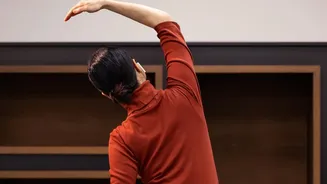
In a busy workday, it's easy to forget to move. That's why scheduling short movement breaks can be so effective. Set a timer on your phone or computer to remind yourself to get up every 30 to 60 minutes. You don’t need to do anything strenuous. Just stand up, stretch your arms and back, walk around your desk, or do a few simple squats. Just a few minutes of movement can improve blood sugar control, reduce stiffness, and refresh your mind, helping you return to your work with more focus and energy. Think of these as 'movement snacks' that fuel your body and break the monotony of sitting.
Optimise Your Workspace for Movement
You can strategically arrange your workspace to encourage more activity. Place frequently used items like your printer, dustbin, or files in a location that requires you to get up and walk to them. Another simple trick is to use a smaller water bottle or glass, which will force you to get up for refills more often throughout the day. These small environmental nudges make movement a natural and necessary part of your workflow rather than something you have to consciously remember to do. It’s about building an active environment that works for you, not against you.