



The Monsoon's Patchy Progress
The Southwest Monsoon is the lifeblood of Indian agriculture, dictating the fortunes of millions of farmers and the nation's food security. While its official arrival brings hope, the initial phase is often characterised by erratic and uneven rainfall.
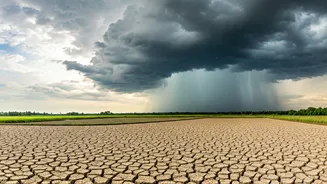
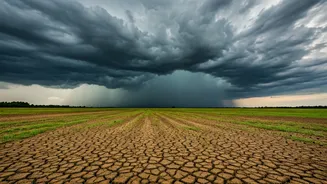
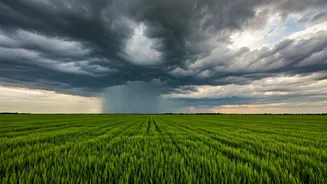
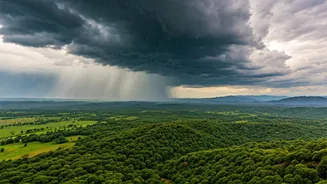
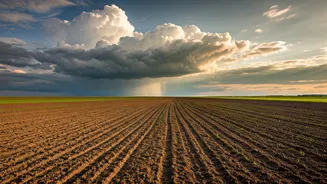
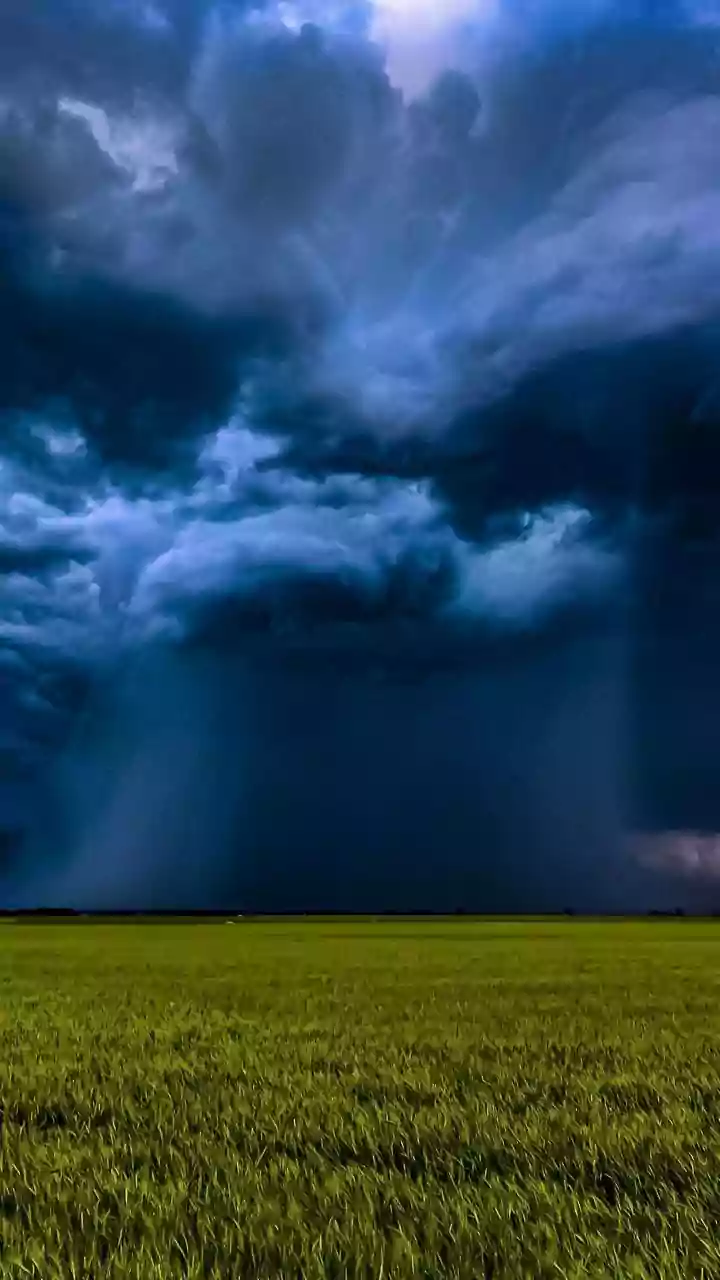
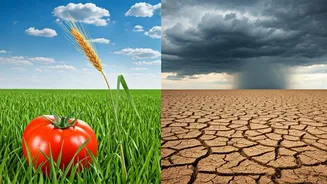
Meteorologists and agricultural scientists have observed that early showers can be deceptive. A strong initial burst might be followed by a long dry spell, a phenomenon known as a 'monsoon break.' This year, as with many others, the distribution of rain across the plains is not uniform. Some regions may receive adequate showers while neighbouring districts remain dry. This patchiness makes a blanket decision to start sowing incredibly risky. Relying on just one or two heavy downpours is not enough to sustain a crop through its critical germination and early growth stages.
The High Cost of Sowing Too Early
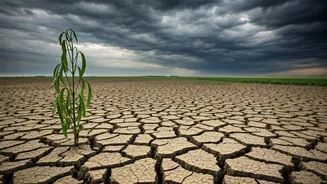
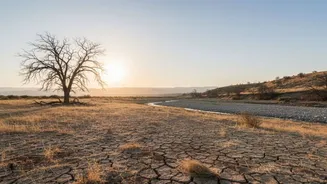
The temptation to sow with the first rains is understandable. Farmers are eager to get a head start. However, premature sowing can lead to a cascade of problems. The primary risk is poor germination. If the initial rain isn't followed by more showers, the topsoil dries out quickly, and the seeds may fail to sprout, or the seedlings may wither and die. This is known as a 'false start,' and it forces farmers into expensive re-sowing, wasting precious seeds, fertiliser, and labour. Furthermore, seeds sown in inadequately moist soil can lead to weak, stunted plants that are more susceptible to pests and diseases throughout their lifecycle. This initial stress can permanently cap the crop’s yield potential, even if rainfall becomes regular later in the season. The financial loss from a failed first sowing can be devastating, setting a farmer back for the entire season.
Why Waiting for 'Proper Rainfall' Pays Off
Agricultural experts define 'proper rainfall' not as a single event, but as a period of consistent showers that ensures deep soil moisture. The advice is to wait until the region has received at least 100-120 mm of rain over a few days. This ensures that the soil is saturated to a depth of at least 15-20 centimetres. Sowing in such conditions provides several key advantages. The seed is placed in a consistently moist environment, ensuring robust and uniform germination. The young plant can develop a strong, deep root system, making it more resilient to any subsequent dry spells. This healthy start translates into a more vigorous crop that can better withstand stress, utilise nutrients efficiently, and ultimately produce a better yield. In essence, waiting isn't just about avoiding risk; it's about setting the crop up for success.
A Guide for Key Kharif Crops
The advice to delay sowing applies to most major Kharif crops, though with some nuances. For crops like cotton, soybean, maize, and pulses sown directly in the field, ensuring deep soil moisture is non-negotiable. These crops are particularly vulnerable to early-stage water stress. For paddy (rice), the situation is slightly different. Farmers often grow seedlings in a nursery first. While nursery preparation can begin, transplanting the saplings into the main field should only happen after the monsoon has truly set in and fields can be properly puddled and flooded. Direct-seeded rice varieties, which are becoming more popular, follow the same rule as other direct-sown crops: wait for sustained rainfall. Farmers should also consider crop-specific advisories from their local agricultural universities and Krishi Vigyan Kendras (KVKs).
What Farmers Should Do Now
Instead of rushing to the fields, farmers can use this waiting period productively. This is the ideal time for final land preparation, ensuring the field is level and well-tilled to absorb rainwater efficiently when it arrives. It's also a crucial window to procure high-quality seeds from certified sources and to arrange for necessary fertilisers and other inputs. Most importantly, farmers should closely monitor weather forecasts from the India Meteorological Department (IMD) and heed the specific advice being issued by state agricultural departments. These bodies provide localised guidance that is far more reliable than just observing the sky. Resisting the urge to sow prematurely is not a sign of delay, but a mark of strategic, climate-smart farming.