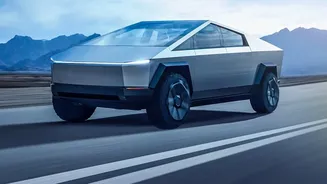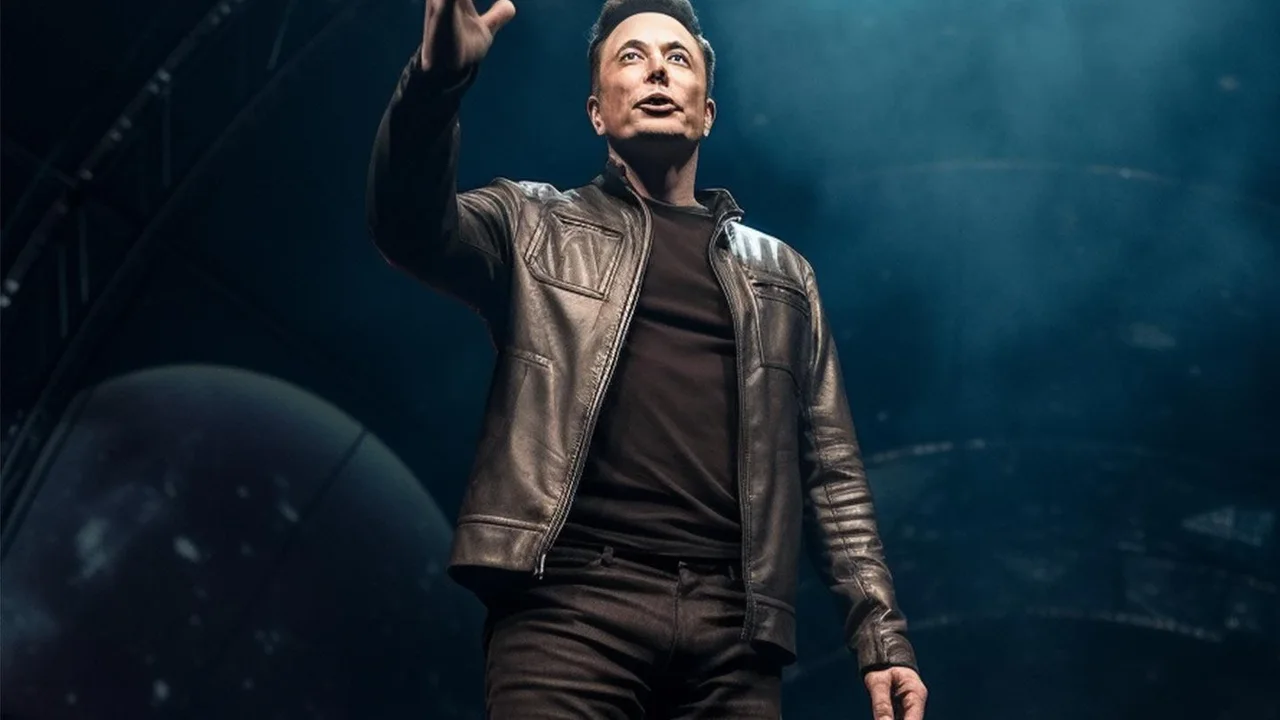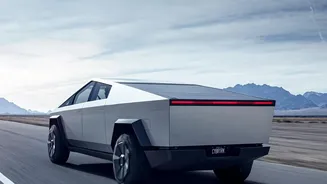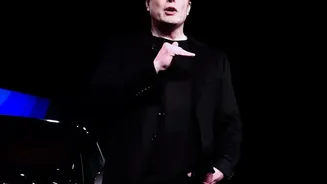






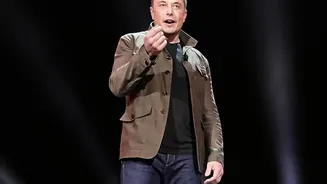
Elon Musk has extended the Tesla Cybertruck's production timeline through summer 2027, a slight reprieve for the polarizing electric pickup. This decision adds a new twist to a complicated story of ambitious targets and manufacturing struggles.
A Shifting Timeline
Just days
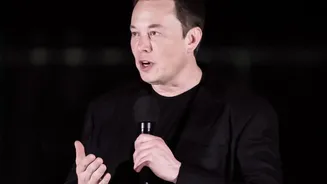
after announcing that Cybertruck production would wind down around mid-2027 to make way for the company's Cybercab robotaxi, Elon Musk has amended the schedule. In a series of posts on his social media platform X, Musk confirmed the truck's production would continue through the end of summer 2027. The stated reason is to work through more of the vehicle's order backlog, which Musk claims 'far exceeds' the company's production rate. This reversal comes after an initial announcement that caught many by surprise, signaling a short four-year production life for one of the most hyped vehicles in recent memory. Musk even acknowledged the extension was not the 'smartest move from a profit-maximizing standpoint', attributing the decision partly to 'sentimentality'.
The Production Reality
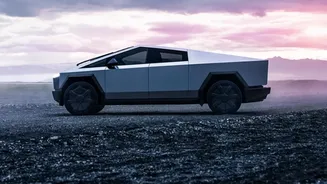
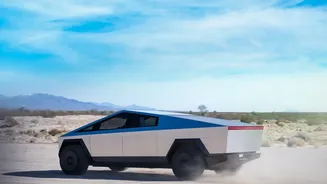
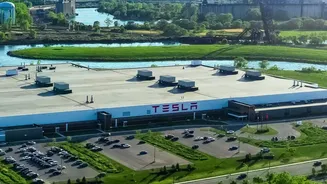
Despite claims of overwhelming demand, the Cybertruck's production journey has been fraught with challenges. Originally, Musk projected that Tesla would produce 250,000 units annually by 2025. However, the reality has been starkly different. Sales figures have fallen significantly short of those targets, with data showing a substantial drop in US sales from 2024 to 2025. Current production is estimated to be at a pace of around 30,000 trucks per year, using only a fraction of the installed capacity at Giga Texas. The unique design, featuring a stainless-steel exoskeleton, created significant manufacturing hurdles that the company may have underestimated. These production difficulties have been compounded by several recalls for issues ranging from faulty accelerator pedals to detaching trim pieces.
Gauging True Demand
While Tesla once touted a reservation list that numbered in the millions, converting those small, refundable deposits into firm orders has been another matter. Critics point out that the recent surge in demand is likely a direct result of the announcement that production would be ending, creating a 'last-call' rush for the vehicle. Before the news, Tesla appeared to be trying various strategies to spur sales, including offering discounts and adjusting pricing. Shortly before announcing the production wind-down, Tesla actually increased the price of the top-tier 'Cyberbeast' model and stopped taking new orders for the more affordable all-wheel-drive version, further complicating the demand picture.
A Pivot to Autonomy
The decision to eventually cease Cybertruck production is part of a larger strategic pivot for Tesla. Musk has made it clear that the company's future lies in autonomous vehicles, specifically the twoer seater Cybercab robotaxi. The plan is to repurpose the Cybertruck's factory space to ramp up production of the Cybercab, which Musk predicts will eventually have production volumes that exceed all other Tesla vehicles combined. This move, along with the discontinuation of the Model S and Model X earlier in the year, shows Tesla is focusing its resources on what it sees as the next frontier: artificial intelligence, robotics, and mobility services, rather than expanding its consumer vehicle lineup.