





The Science of Natural Air-Conditioning
Plants are nature's own air conditioners. They cool their surroundings through a process called evapotranspiration. Plants absorb water through their roots and then release it as water vapour through tiny pores in their leaves. This process uses heat
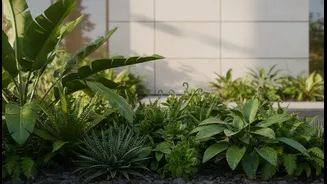
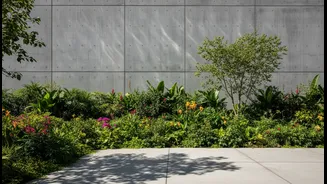
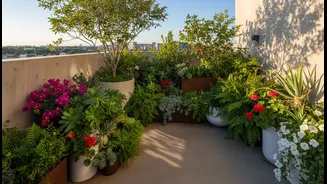
from the surrounding air, effectively lowering the temperature. A single large tree can have the cooling effect of multiple air-conditioning units running for hours. While you may not have space for a large tree, a collection of terrace plants works on the same principle, creating a cooler microclimate on your balcony or rooftop. Additionally, their leaves provide shade, preventing concrete and walls from absorbing and radiating heat. A shaded surface can be significantly cooler than one exposed to direct sun.
Choosing Your Green Cooling Agents
For an Indian terrace, selecting heat-tolerant plants is crucial. Look for species that thrive in full sun and can withstand high temperatures. Bougainvillea is a classic choice, known for its vibrant bracts and toughness. It flourishes in the heat with minimal water. Hibiscus, a staple in many Indian homes, also loves the sun and produces beautiful, large blooms. For smaller spaces or pots, consider Portulaca, also known as Moss Rose, a succulent that stores water in its leaves and offers a carpet of colourful flowers. Other excellent choices for Indian summers include fragrant Jasmine (Mogra), hardy Marigold, lush Areca Palms for a tropical feel, and Aloe Vera, which is both beautiful and useful. For vertical spaces, fast-growing climbers like the Passionflower vine can quickly create a living wall of shade.
Strategic Placement for Maximum Cooling
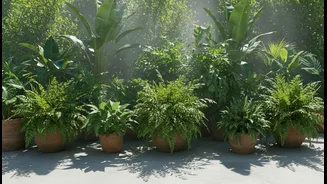
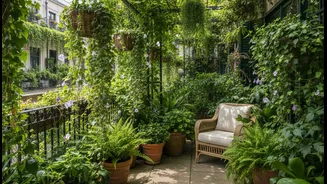
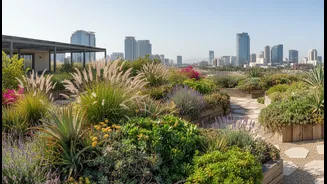
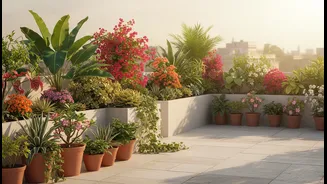
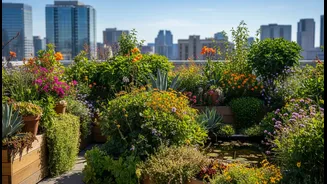
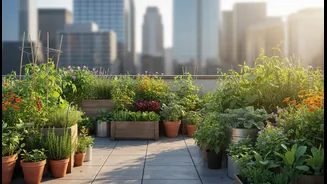
How you arrange your plants is just as important as which ones you choose. To maximize the cooling effect, think about creating layers of green. Place taller plants, like Areca Palms or a small Neem tree in a large container, where they can cast the most shade during the hottest parts of the day, particularly against west-facing walls. Use climbers on a trellis to create a green wall, which acts as a living shield against the sun, preventing the building from heating up. Clustering pots together is also an effective strategy. This grouping creates a pocket of higher humidity as the plants transpire together, enhancing the local cooling effect and protecting each other from extreme heat. For an instant green canopy, you can also train vines over a pergola, creating a shady spot to relax under.
Smarter Watering and Soil Care
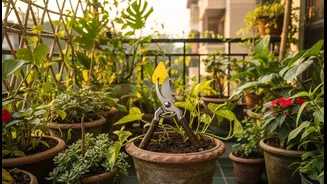
Even heat-loving plants need water to survive and perform their cooling function. The best time to water is in the early morning or late evening to reduce evaporation. Water deeply and thoroughly, allowing the soil to become saturated, rather than giving small, frequent sprinklings. This encourages roots to grow deeper, making the plants more resilient. Using unglazed terracotta pots can help keep roots cooler, though they may require more frequent watering than plastic ones. To help the soil retain moisture, apply a layer of organic mulch, such as dried leaves or coconut coir. This insulates the soil from the sun, keeps roots cool, and significantly slows down water evaporation, meaning you'll need to water less often.
Beyond the Plants: Supporting Elements
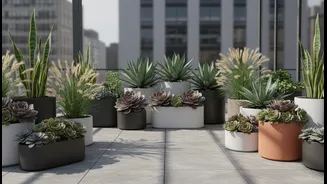
While plants are the stars of the show, other elements can support your cooling efforts. Using light-coloured pots can make a difference, as they reflect sunlight and keep the soil and roots cooler than dark-coloured pots. Similarly, if you are considering flooring, light-coloured tiles will absorb less heat than dark ones. Elevating pots slightly off the concrete using pot feet or bricks allows for air circulation underneath, preventing the direct transfer of heat from the hot surface to the plant's roots. Combining these simple strategies can amplify the cooling effect of your green oasis, making your terrace a truly comfortable and inviting space, even when the temperature soars.