



The Universal Language of 'Tadka'
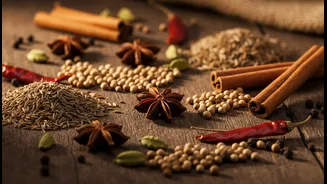
Known as tadka, chaunk, or baghar, the act of tempering spices in hot fat is a cornerstone of Indian cooking. It’s a swift, foundational technique where fat is heated, and whole or ground spices are added to bloom, releasing their essential oils and deepest
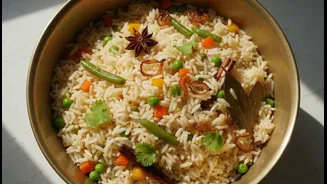
aromas. This isn't just frying; it's a timed extraction that transforms the fat into a flavour vehicle. While the method is used across the country, its expression is hyperlocal. A Bengali phoron with panch phoron (five-spice blend) tastes entirely different from a South Indian tadka with mustard seeds, curry leaves, and dried red chillies. This single technique demonstrates that how you start a dish—the specific fat and spices used in those crucial seconds—matters more than a generic regional stamp.
The Art of the 'Bhunao'
Bhunao is the patient, deliberate act of sautéing a masala base—typically onions, ginger, garlic, and tomatoes—until the oil separates from the mixture. This isn't just about softening ingredients; it's a chemical transformation where water evaporates, the emulsion breaks, and flavours concentrate into a rich, complex foundation. Many home cooks rush this step, resulting in a raw, acrid taste. But a proper bhunao is the soul of countless curries, from a hearty chicken bhuna to a robust dal. The technique itself, which creates deep, caramelised notes, is the secret behind the dish's character, regardless of whether it’s labeled a 'North Indian curry' or something more specific.
'Dum Pukht' and the Power of Patience
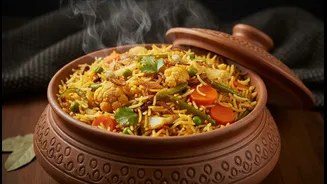
The Dum Pukht method, which translates to 'breathe and cook', is the art of slow-cooking food in a sealed container. Traditionally, a heavy-bottomed pot (handi) is sealed with dough, trapping steam and allowing the ingredients to cook slowly in their own juices over a low flame. This technique, with roots in Awadhi royal kitchens, ensures that meats become incredibly tender and flavours from herbs and spices are fully absorbed, not lost to evaporation. While famously used for biryani, the dum method is a philosophy of patience, applied to everything from dals to meat curries. It’s a process that prioritizes the gentle maturing of a dish, proving that the method of containment and slow heat is a far more meaningful descriptor than the regional banner it might fly under.
The Science of Fermentation
To label a dish 'South Indian' often overlooks the primary technique that defines so many of its staples: fermentation. The batters for idli and dosa, for instance, are sophisticated preparations of rice and lentils left to ferment, allowing microorganisms to break down compounds. This process doesn't just create the light, airy texture of an idli or the crisp tang of a dosa; it enhances nutritional value, improves digestibility, and develops complex flavours that cannot be replicated by shortcuts. From the dhokla of Gujarat to the pickles found in every region, fermentation is a cross-cultural culinary science. It highlights that the most important ingredient is often time and the controlled cultivation of microbes—a technique far more specific than any map label.