


Food is a powerful vessel for memory, capable of transporting us to another time and place with a single bite. A recent recollection by Sonia Gandhi about a sweet Kashmiri rice dish did just that, turning a personal anecdote into a national conversation.
A Memory Steeped in Tradition
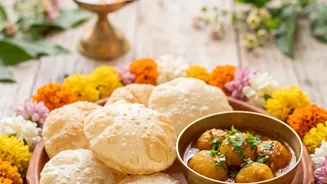
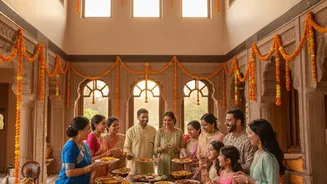
In a recent conversation with her daughter Priyanka and granddaughter Miraya, Sonia Gandhi reminisced about Diwali celebrations from years past. She recalled how the family's festive table, a tradition started by her mother-in-law Indira Gandhi, always featured Kashmiri food. Specifically, she mentioned 'that sweet rice,' a dish the family still prepares to this day. This brief but poignant mention sparked curiosity, highlighting a culinary practice rooted in the Nehru family's Kashmiri Pandit heritage and, more broadly, the vibrant food culture of the Kashmir Valley. The anecdote serves as a reminder of how recipes and flavours travel through generations, preserving cultural identity and family history.
The Golden Hue of Celebration
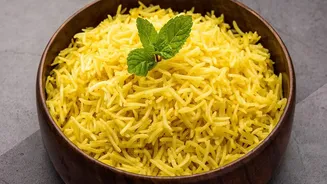
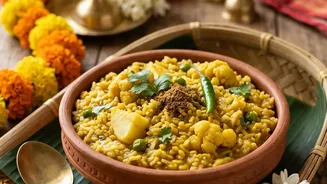
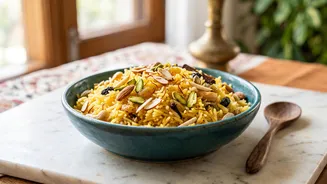
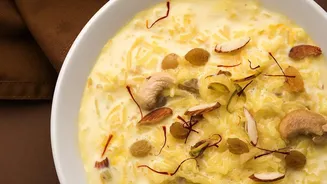
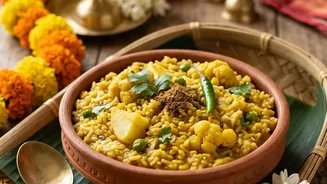
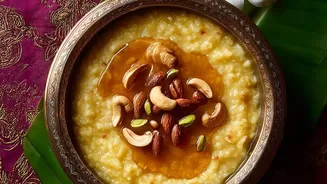
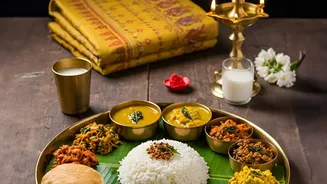
While Gandhi did not name the specific dish, her description points towards one of Kashmir's beloved festive preparations: a sweet, fragrant rice often called Modur Pulav or the simpler, yet deeply significant, Tahar. Modur Pulav is a rich preparation, often made with ghee, milk, and saffron, and generously garnished with dried fruits and nuts. Its golden hue, derived from precious saffron, makes it a centerpiece of celebrations. Tahar, or Tehri, is another yellow rice, coloured with turmeric, that holds immense cultural importance for both Kashmiri Pandits and Muslims. It is a dish of thanksgiving, prepared on birthdays, festivals, and as a sacred offering, or 'prasad'. Though there are variations—Pandit versions are traditionally simpler, while Muslim preparations might include fried shallots—the essence of this auspicious yellow rice is shared across communities.
A Culinary Calendar of Festivities
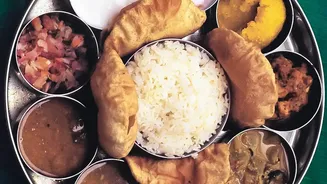
In Kashmir, food is inextricably linked to the calendar of festivals, with specific dishes marking each occasion. The grandest festival for Kashmiri Pandits is Herath, their unique celebration of Shivaratri. Unlike in other parts of India where fasting is common, Herath is marked by elaborate feasts that often include mutton and fish, a practice rooted in Kashmiri Shaivism. Soaked walnuts, rather than sweets, serve as the main prasad. For Kashmiri Muslims, the most significant culinary event is the Wazwan, a multi-course ceremonial feast prepared for weddings and major festivals like Eid. This elaborate meal, which can feature up to 36 dishes, is a testament to the region's rich Persian and Central Asian influences and is a profound expression of hospitality.
More Than Just a Meal
The significance of festive food in Kashmir goes far beyond taste. Yellow rice, or Tahar, is a symbol of auspiciousness, gratitude, and communal harmony. It is cooked to celebrate a birthday, to give thanks for averting a misfortune, or as an offering to a deity. The tradition of distributing Tahar—whether to neighbours, at shrines, or even to birds—underscores a deep-seated culture of sharing and charity. Similarly, the custom of 'Salaam' following Herath, where Muslim neighbours would visit Pandit homes to share in the festivities, highlights a history of syncretic culture woven into these food traditions. These practices transform a simple meal into a powerful act of community and faith.
A Legacy Served on a Plate
For communities in diaspora, food becomes an even more critical link to home and heritage. The continued observance of culinary traditions, like preparing fish for Herath or making Tahar for a birthday, is an act of cultural preservation. It keeps memories alive and connects younger generations to their roots, even when they are far from the valley. Sonia Gandhi's simple memory of a sweet rice dish is a powerful illustration of this phenomenon. It shows how a flavour, a scent, or a shared family meal can carry the weight of history and the warmth of belonging. In sharing her recollection, she not only offered a glimpse into her family's private life but also paid tribute to a rich and resilient culinary heritage that continues to be a source of identity and comfort for many.