

The Joy of Minimal Cleanup
Let’s start with the most obvious and celebrated benefit: fewer dishes. After a long day, the sight of a sink piled high with pots, pans, and various cooking utensils can be deflating. The one-pan method — which includes sheet pans, skillets, and Dutch
ovens — consolidates your cooking into a single vessel. This isn't just about saving scrubbing time; it's about reducing the mental load of cooking. By simplifying the process from start to finish, you reclaim valuable time and energy. For vegetarians who often chop a wide variety of vegetables, this streamlined approach makes daily cooking feel more manageable and less like a monumental chore, encouraging more home-cooked meals. Lining your pan with foil or parchment paper can make cleanup even quicker.
A Masterclass in Flavour
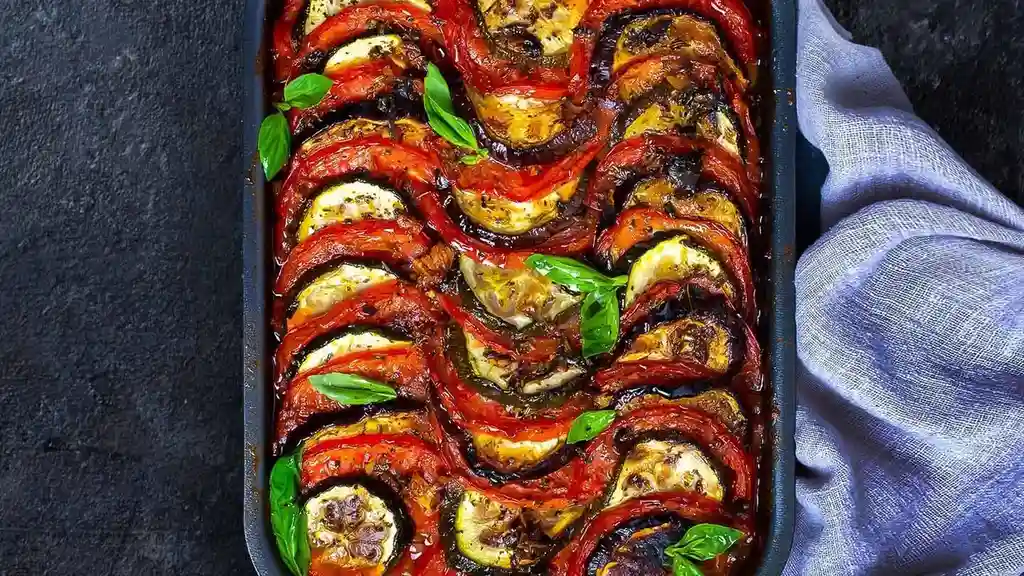
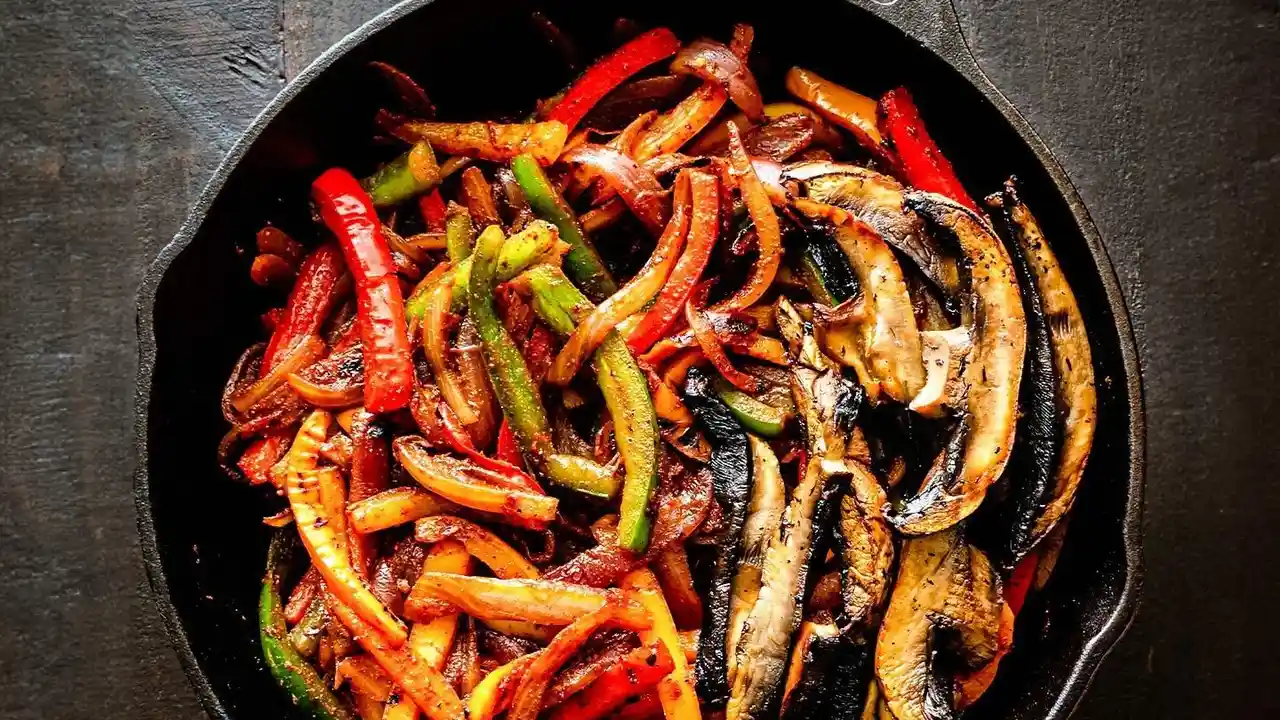
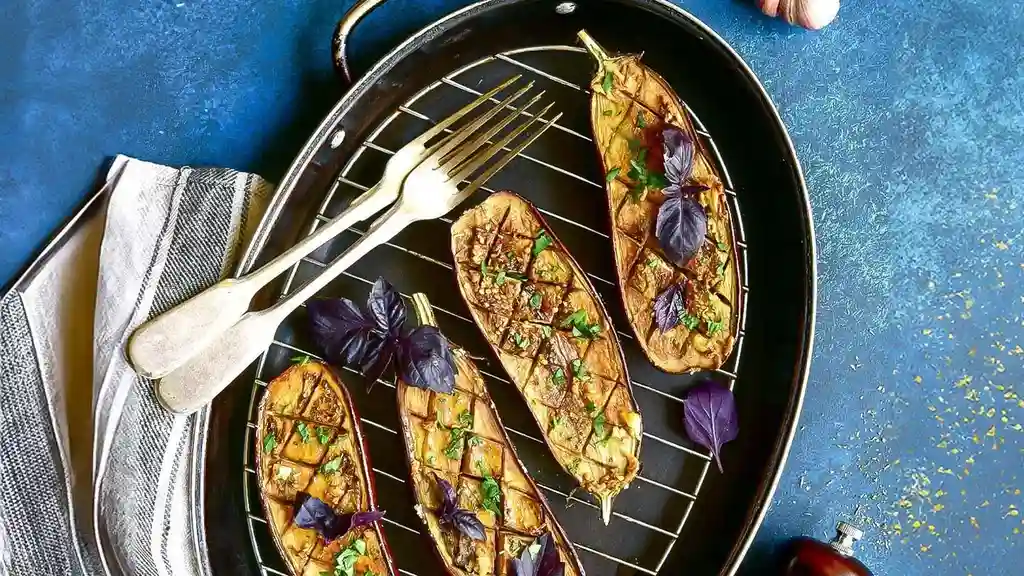
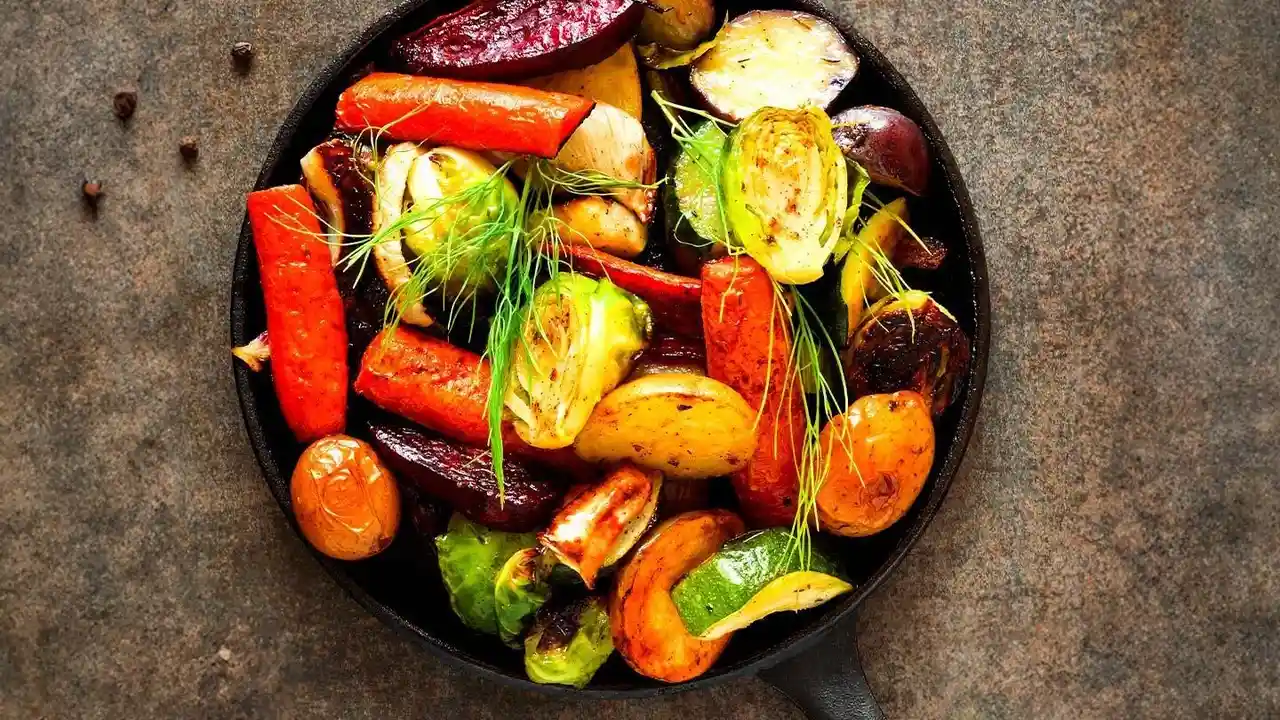
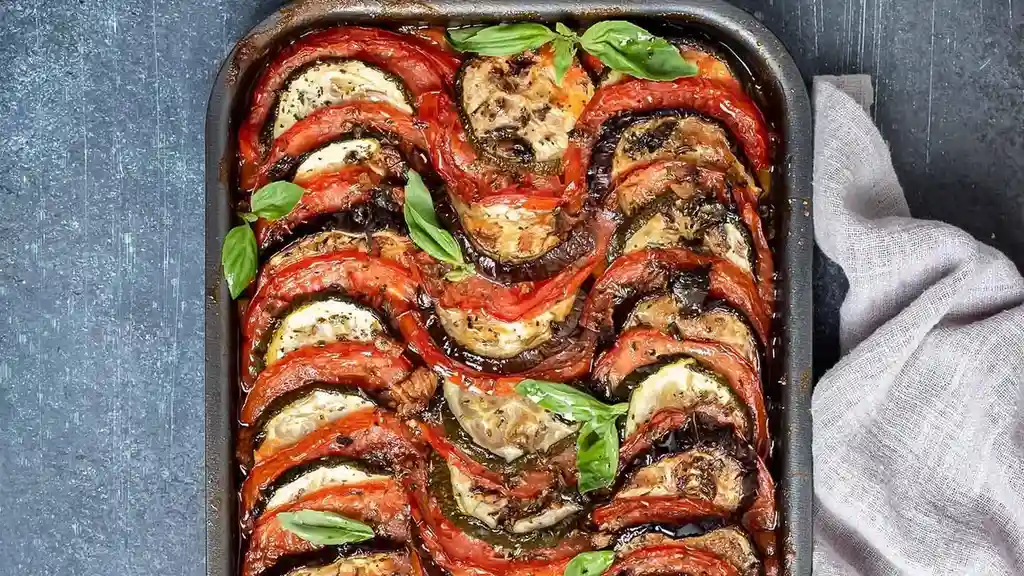
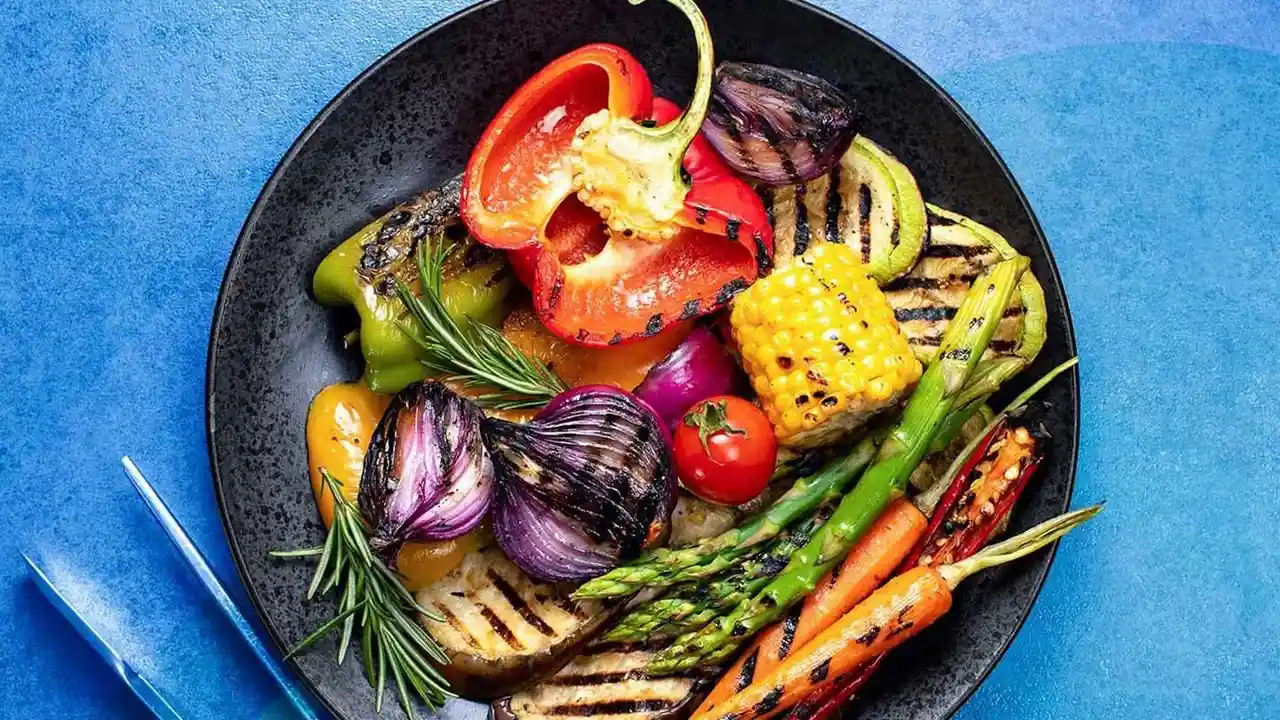
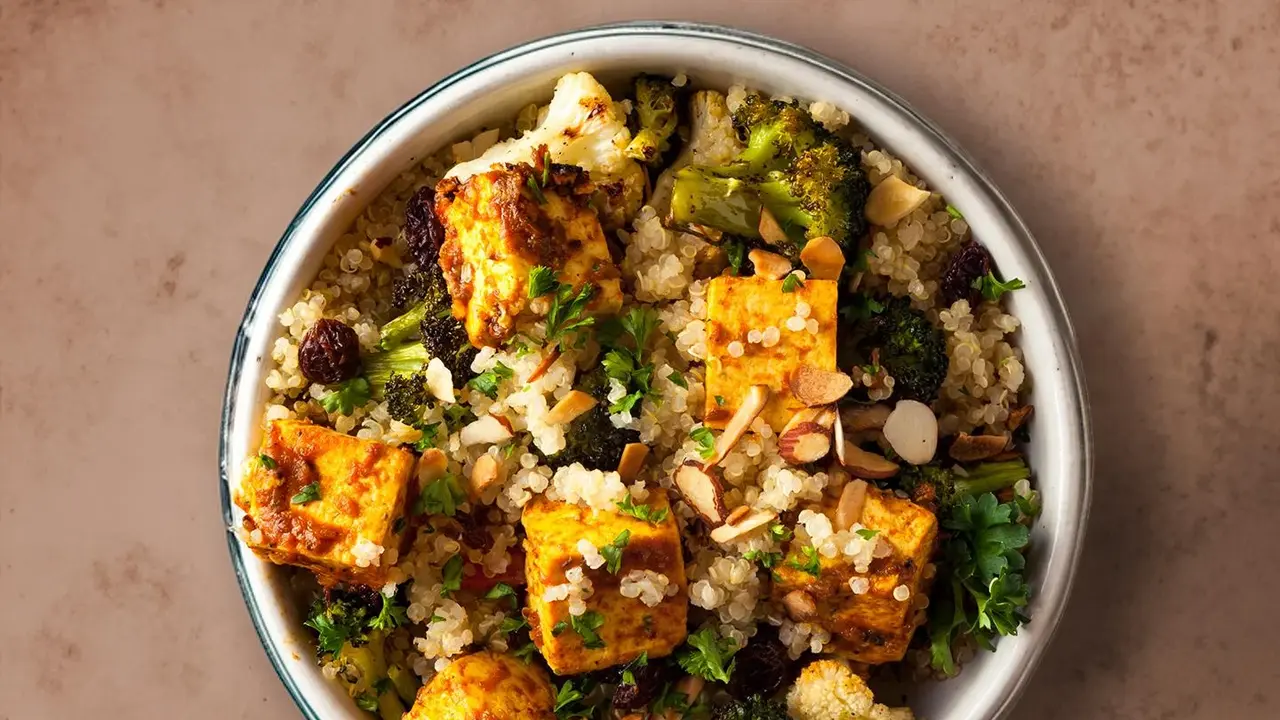
Simplicity does not mean sacrificing taste. In fact, one-pan cooking can significantly enhance the flavour of your vegetarian dishes. When vegetables like broccoli, carrots, and bell peppers roast alongside proteins such as paneer or tofu, their flavours meld and deepen in a way that separate cooking methods can't replicate. The ingredients essentially cook in each other’s juices, creating a rich, layered taste profile. The browned bits that form on the bottom of the pan, known as fond, are packed with flavour. Tossing your ingredients in these caramelised juices ensures every bite is delicious. This technique allows the natural sugars in vegetables to caramelise, creating a delightful sweetness and texture that can convert even the most vegetable-sceptical eaters.
Balanced Nutrition, Simplified
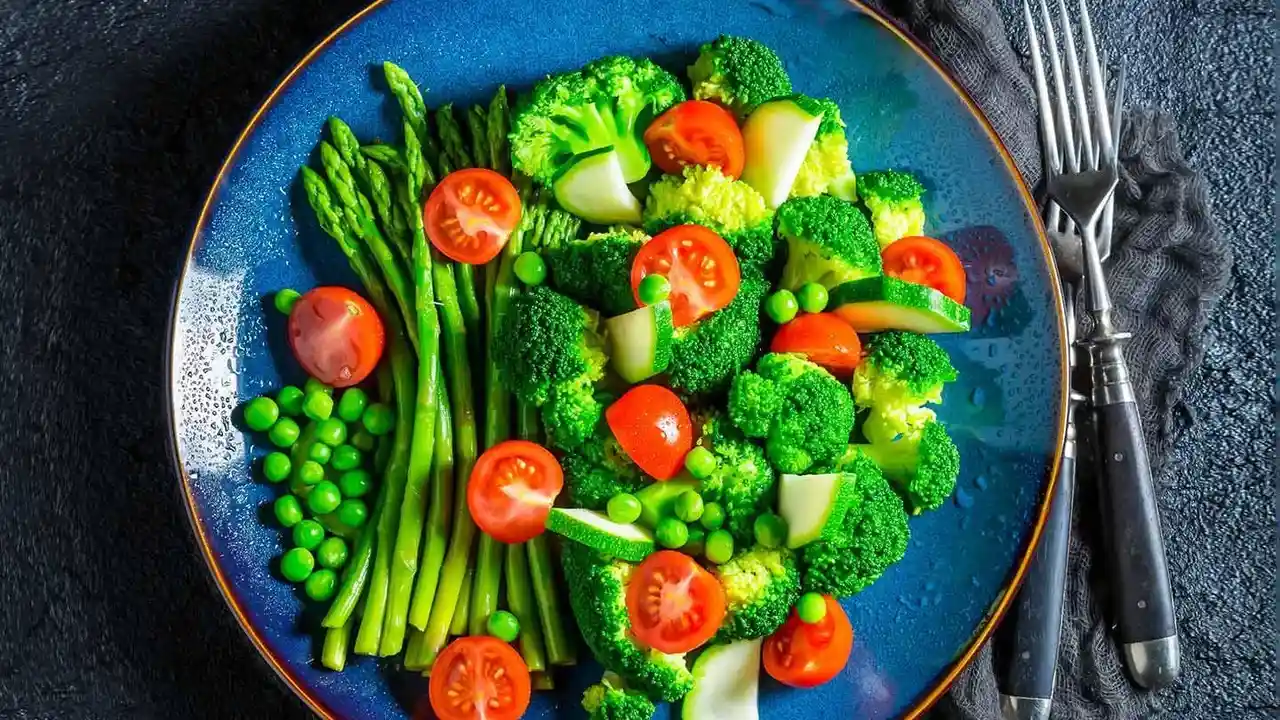
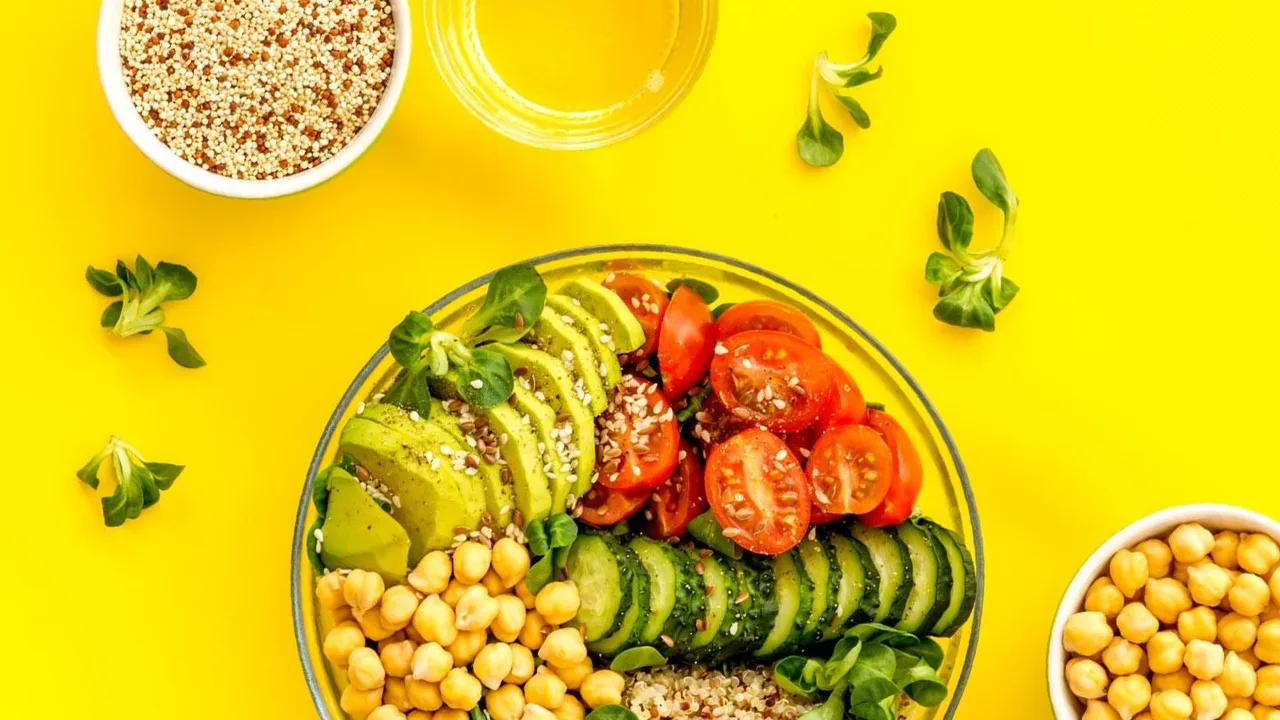
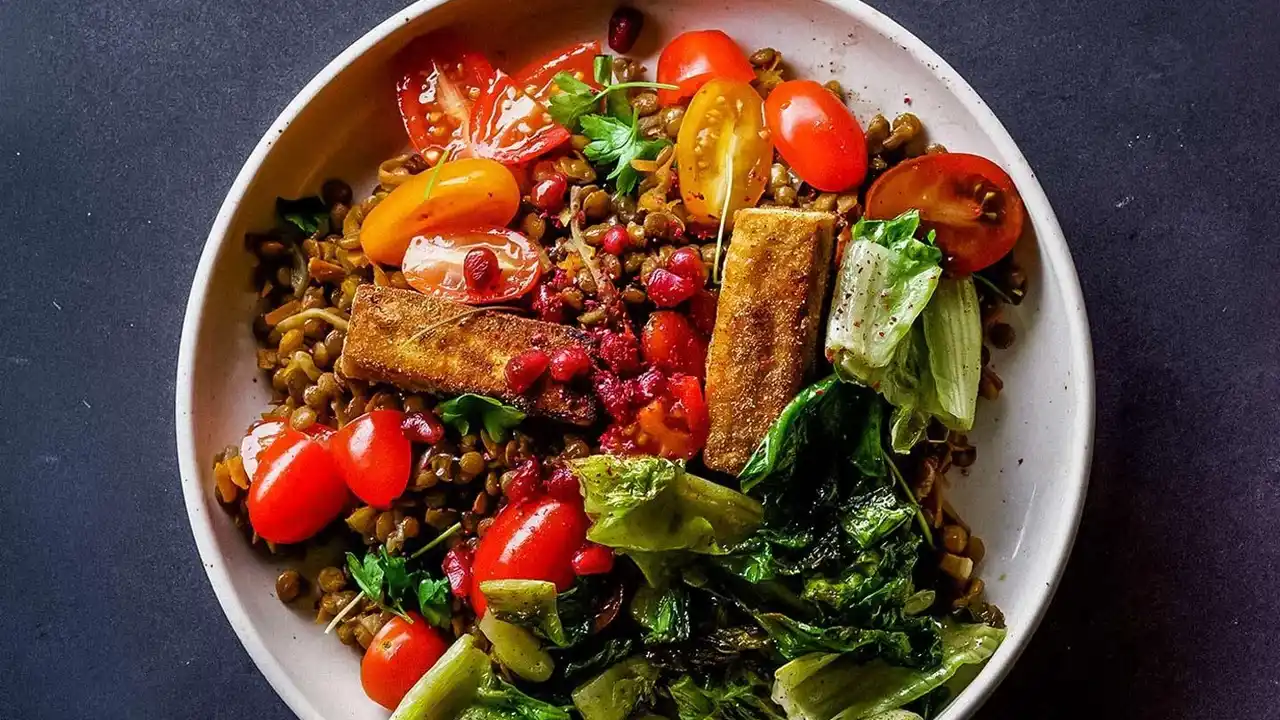
Crafting a nutritionally complete vegetarian meal requires a balance of protein, healthy carbohydrates, and plenty of vegetables. A one-pan meal is a perfect canvas for achieving this balance with ease. You can visually portion your ingredients on a single sheet pan: a section for marinated paneer, tofu, or chickpeas for protein; another for hearty vegetables like sweet potatoes or cauliflower; and a final one for quicker-cooking greens like spinach or kale, which can be added towards the end. This method encourages a colourful and diverse plate, which is a good indicator of a nutrient-rich meal. By cooking everything together, you also retain more of the water-soluble vitamins that can be lost when vegetables are boiled and the water is discarded.
Mastering the One-Pan Method
The key to a perfect one-pan meal is understanding timing. Not all ingredients cook at the same rate. Harder vegetables like potatoes and carrots need a head start, so put them in the oven first for 10-15 minutes before adding softer items. Medium-density ingredients like broccoli florets, bell peppers, and onions can go in next. Finally, add your protein (if it's pre-cooked or quick-cooking like paneer) and delicate greens for the last few minutes of roasting. Another pro-tip is to cut your ingredients into uniform sizes for even cooking. Don't overcrowd the pan, as this will cause the vegetables to steam instead of roast, leading to a soggy texture. Use a large, sturdy, rimmed baking sheet for best results.
Beyond Roasted Vegetables
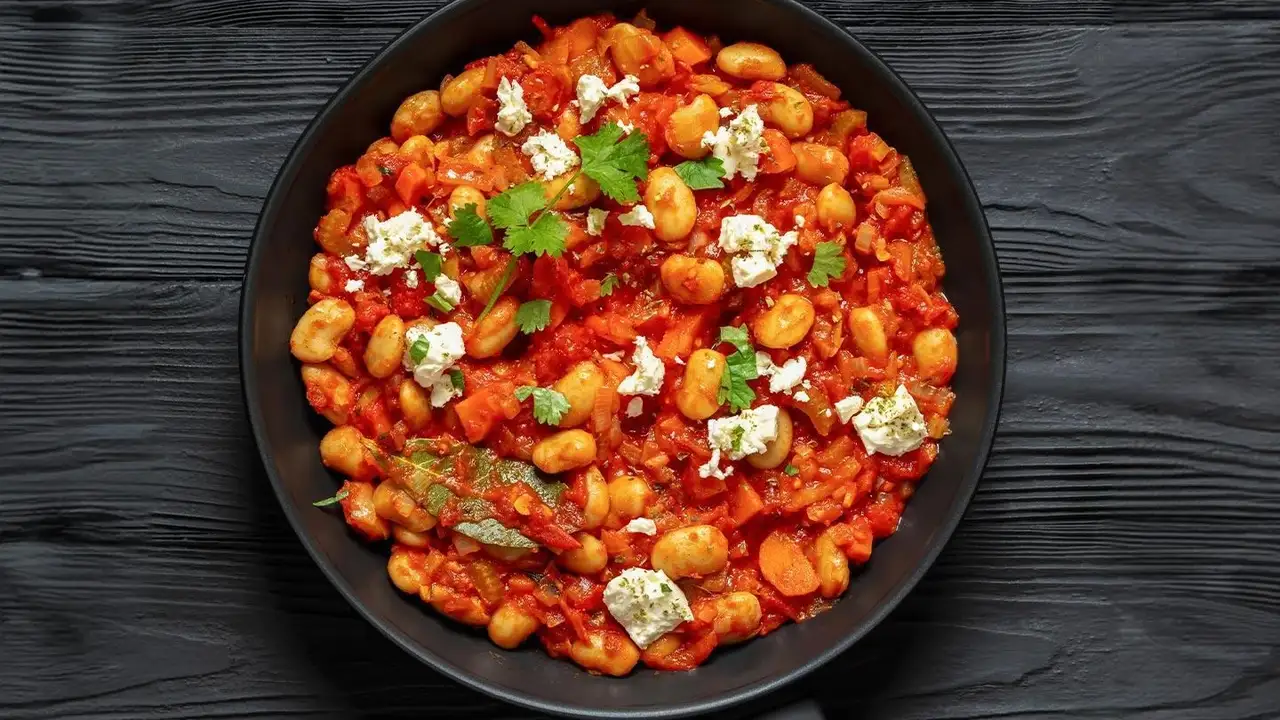
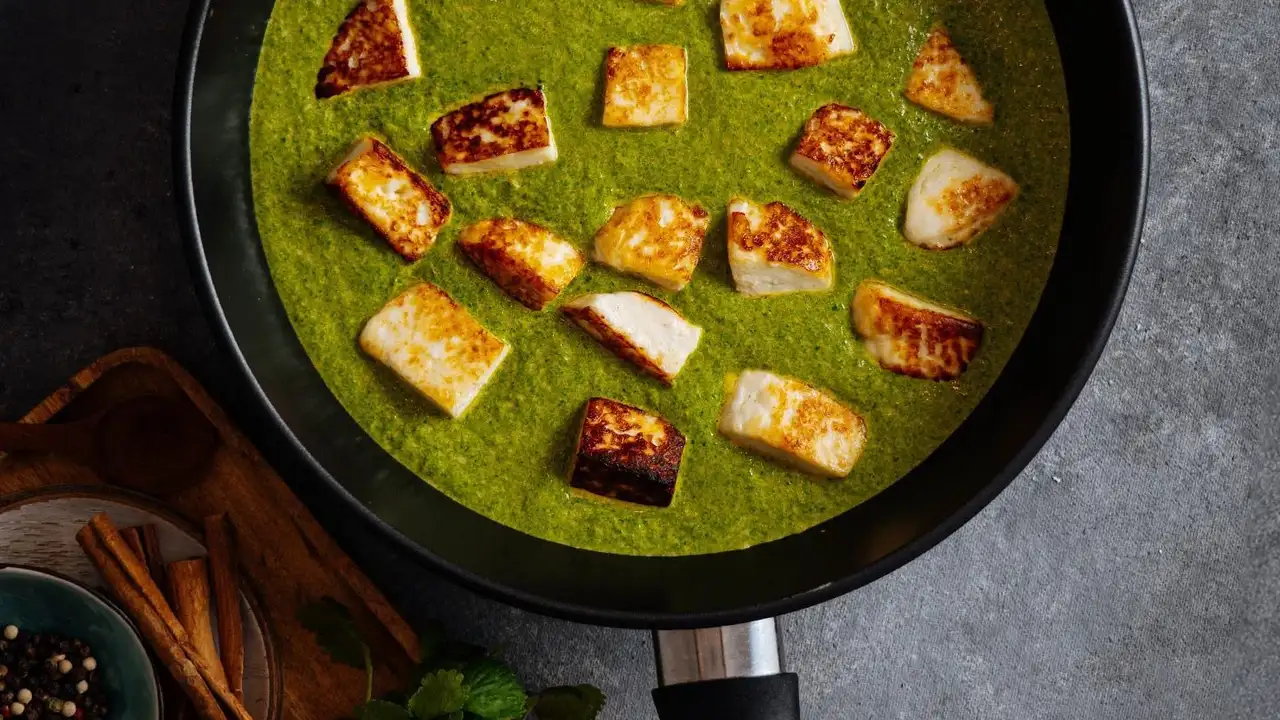
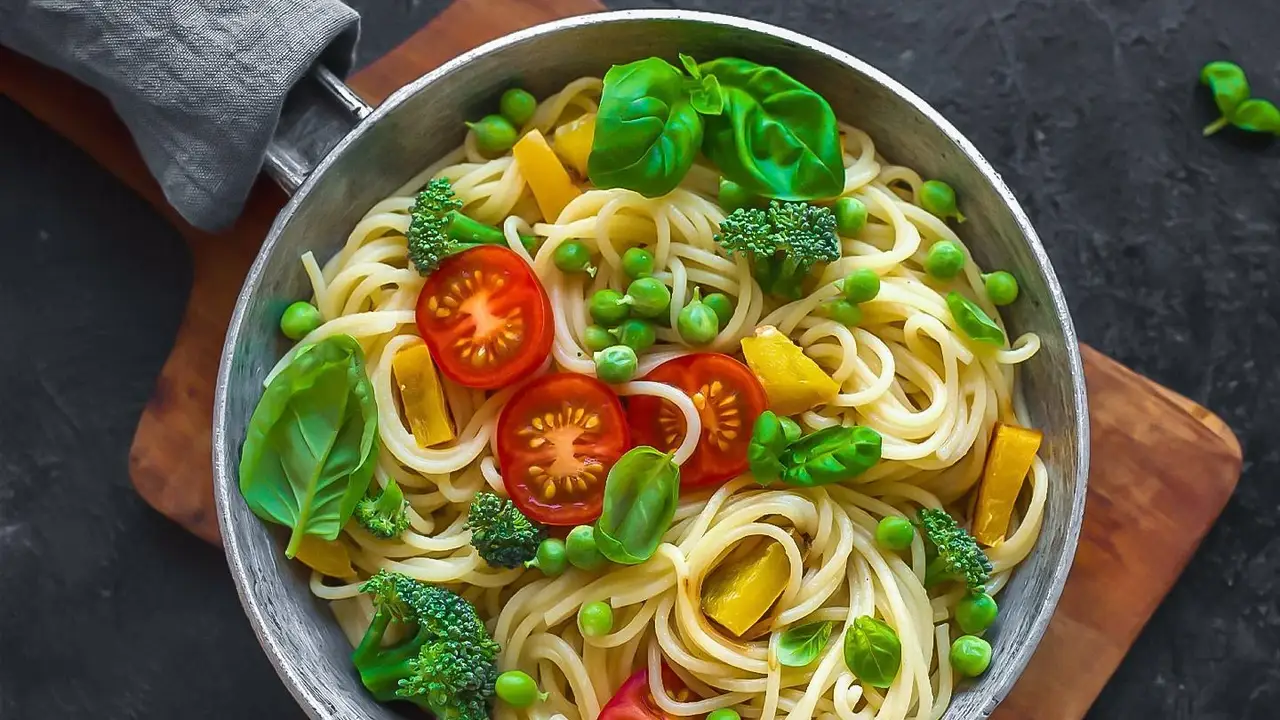
While sheet pan dinners are fantastic, the one-pan universe is vast. A single skillet can be used for a vibrant shakshuka, a hearty black bean and sweet potato hash, or a creamy spinach and paneer curry. A Dutch oven or a single pot is perfect for creating classic Indian dishes like khichdi, a comforting and nutritious meal made from rice and lentils. These one-pot wonders often involve sautéing aromatics like onions and garlic, then adding vegetables, legumes, and grains with liquid and simmering until everything is cooked through. This approach is not only efficient but also builds incredible depth of flavour, making it a go-to strategy for delicious vegetarian meals any night of the week.