





A Symphony of Flavours
On paper, it sounds almost too basic. Raw mango is unapologetically sour. Black salt, or 'kala namak', is pungent and distinctly savoury. But when you bring them together, something magical happens. This isn't just about mixing ingredients; it's about a foundational
principle of Indian cuisine—the art of balancing flavours. The sharp sourness of the 'kacchi keri' is a clarion call against the sweltering heat, waking up your senses. The black salt, with its deep mineral notes, doesn't just add saltiness; it adds complexity. It rounds out the acidity, introduces a savoury, almost umami-like depth, and provides a cooling sensation that regular salt simply can't match. This duo creates a taste profile that is simultaneously refreshing, hydrating, and intensely satisfying.
The Hero: Kacchi Keri
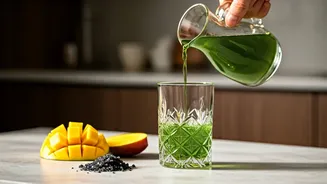
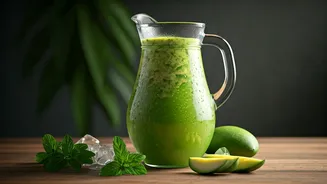
The star of this show is, of course, the raw green mango. For generations of Indians, the arrival of 'kacchi keri' in the market signals the true beginning of summer. It’s the flavour of childhood holidays, of afternoons spent seeking shade, and of grandmothers' kitchens. We’re not talking about the sweet, luscious ripe mangoes that come later, but their tart, firm, and vibrant predecessors. When boiled and pureed, the raw mango sheds some of its aggressive tartness and develops a smoother, more fragrant sourness. This cooked puree becomes the perfect canvas for our syrup, holding its own against other flavours while providing that quintessential summer tang.
The Secret Weapon: Kala Namak
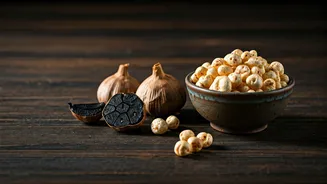
If raw mango is the hero, black salt is the indispensable sidekick with all the best lines. This kiln-fired rock salt, packed with sulfur compounds, is what gives dishes like chaat and drinks like jaljeera their signature 'funky' aroma and taste. Its flavour is far more complex than simple sodium chloride. It has a slightly eggy scent that dissipates into a savoury, tangy finish. In Ayurvedic tradition, it's also hailed as a cooling agent and a digestive aid, making it the perfect addition to a heavy summer meal or a refreshing drink. It's the 'kala namak' that elevates our simple mango puree from a basic sour sauce to a sophisticated, palate-cleansing elixir.
Crafting Your Summer Elixir
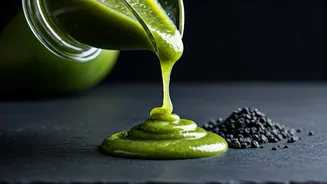
Making this syrup couldn't be simpler. You don't need exact measurements, just a sense of taste. Start by pressure-cooking or boiling a couple of medium-sized raw mangoes until they are completely soft. Let them cool, then squeeze the pulp from the skin and stone into a bowl—don't be afraid to get your hands messy. Blend this pulp until it's smooth. Now, for the magic: start adding black salt, a little at a time, tasting as you go. You're looking for that perfect point where the saltiness balances the sour without overpowering it. Many will stop here, but you can also add a hint of roasted cumin powder for warmth or a touch of jaggery or sugar if your mangoes are exceptionally sour. The final consistency should be like a thick, pourable sauce. Store it in a glass jar in the fridge, and it will be your secret weapon for weeks.
Beyond the Classic Drink
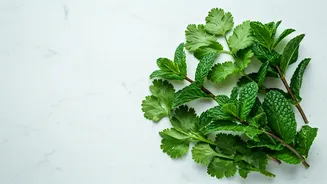
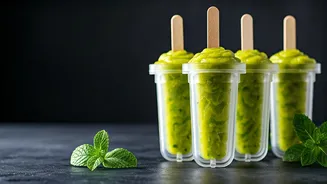
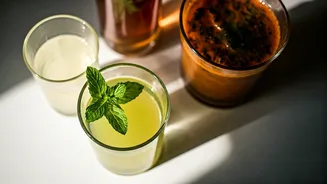
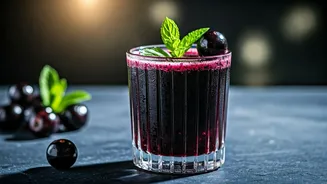
The most obvious use for this syrup is to make a classic 'aam panna'. Just spoon a few tablespoons into a glass, top with chilled water or soda, and add a mint sprig. But why stop there? Its versatility is its true strength. - Cocktail Mixer: It’s a phenomenal base for a summer cocktail. Shake it with gin or vodka, a splash of lime, and soda for a tangy 'keri' cooler. - Dessert Topping: Drizzle it over vanilla ice cream or a slice of plain cheesecake. The sour-salty kick cuts through the richness beautifully. - Salad Dressing: Whisk it with a bit of olive oil, honey, and black pepper for a uniquely Indian vinaigrette that’s perfect for a simple cucumber and onion salad. - Marinade: Use it as a tenderising marinade for chicken tikka or paneer. The acidity works wonders on the protein, and it leaves a tangy crust when grilled.