





The Post-Monsoon Calm
The secret to Lakshadweep's incredible autumn visibility begins with the end of the southwest monsoon, which typically lasts from June to September. This rainy season is characterized by strong winds and rough seas, which churn up the water, carrying
sediment and reducing clarity. As the monsoon recedes around October, a period of calm descends upon the Arabian Sea. The winds die down, and the ocean's surface becomes placid. This tranquility is the first crucial ingredient, as it allows the entire marine ecosystem to settle down after months of turbulence. This shift marks the beginning of the prime diving season, which extends from October to May.
Letting the Dust Settle
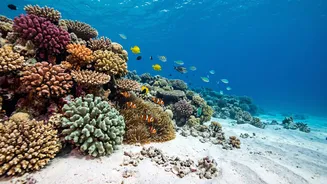
During the monsoon, rainwater runoff from the islands and the constant churning of waves keep tiny particles of sand, silt, and organic matter suspended in the water column. This is similar to a snow globe that has just been shaken. When the seas calm down in late autumn, these suspended particles no longer have the energy of the waves to keep them afloat. Over a few weeks, gravity takes over, and the sediment slowly settles to the seabed. This natural clarification process dramatically improves underwater visibility, often pushing it to an impressive 20 to 40 meters, and sometimes even more in offshore locations.
The Plankton Pause
Another key factor is the life cycle of plankton. Plankton are microscopic organisms that form the base of the marine food web. While vital for the ecosystem, dense plankton blooms can make the water appear cloudy or greenish. The monsoon season, with its nutrient-rich runoff, often fuels these blooms. The post-monsoon period in late autumn is a transitional phase where plankton levels are often moderate. This temporary reduction in density before the winter blooms take hold contributes significantly to the crystal-clear conditions that divers cherish, allowing sunlight to penetrate deeper and illuminate the coral gardens.
Perfect Temperatures and Active Marine Life
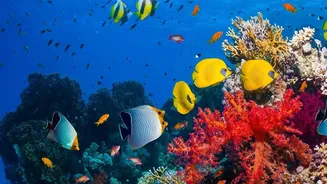
Beyond visibility, the water conditions in autumn are ideal for divers. The sea temperature hovers in a comfortable range of 27 to 30 degrees Celsius, perfect for long dives without the need for thick wetsuits. This pleasant warmth also encourages a flurry of marine activity. Many species, from colourful reef fish like parrotfish and clownfish to larger animals, are particularly active. It is a prime time for spotting green sea turtles foraging in the lagoons, and encounters with majestic manta rays, which frequent the cleaning stations around islands like Agatti and Bangaram, become more common from November onwards.
An Unspoiled Underwater Paradise
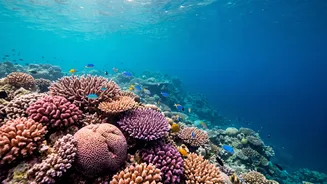
The combination of these factors makes late autumn the golden season for underwater exploration in Lakshadweep. Divers visiting islands like Agatti, Bangaram, and Kadmat are rewarded with breathtaking views of some of India's healthiest coral reef ecosystems. The exceptional clarity allows for stunning underwater photography and an immersive experience, whether you're exploring a shallow coral garden teeming with life or a dramatic outer reef drop-off patrolled by trevallies and reef sharks. The calm surface conditions also make boat journeys to dive sites safer and more pleasant, completing the perfect picture for an unforgettable diving adventure.