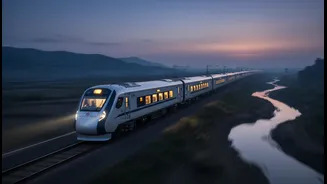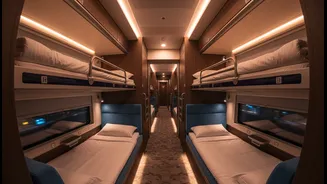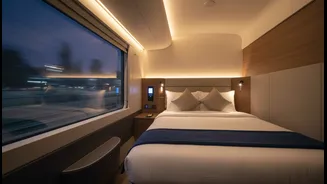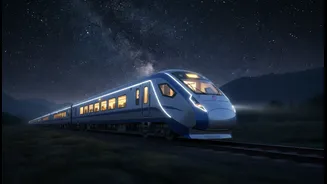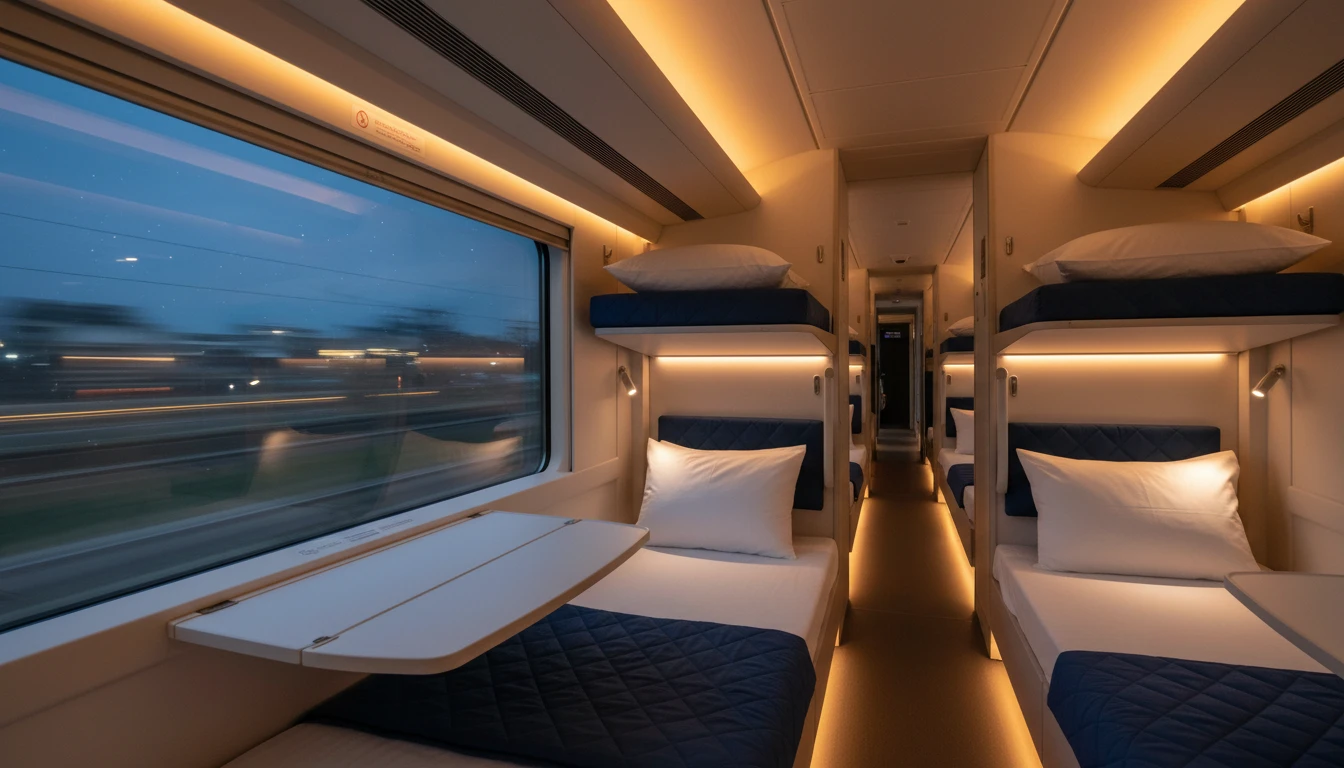




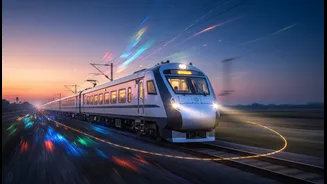
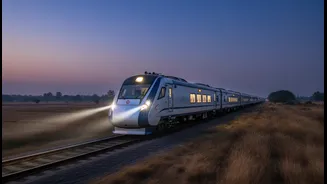
A Generational Leap in Overnight Travel
For decades, overnight train journeys in India have been synonymous with the Rajdhani and Duronto expresses. While iconic, these trains belong to a different era. The Vande Bharat sleeper is Indian Railways' first ground-up reimagining of long-distance
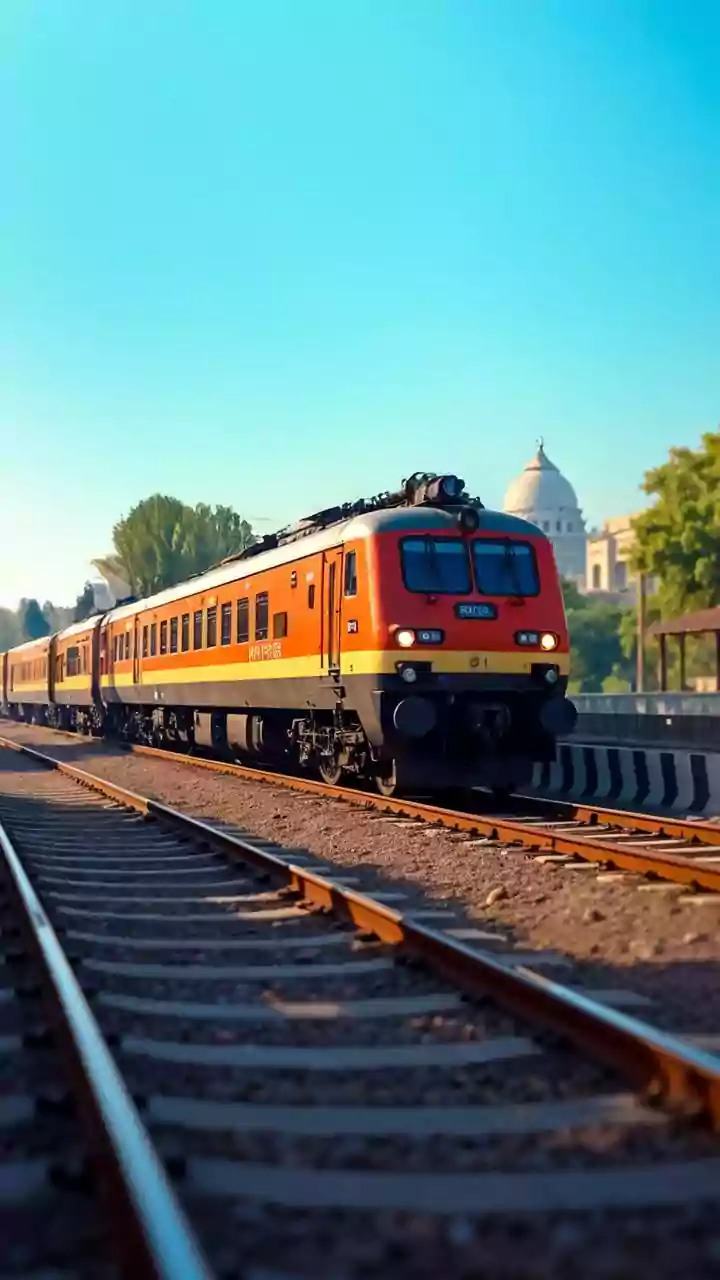
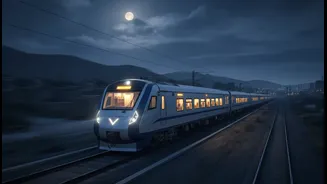
overnight travel in over 50 years. After the successful rollout of the chair-car versions in 2019, the sleeper variant aims to conquer the crucial overnight market. The first services, like the Howrah-Kamakhya route launched in January 2026, and the recently inaugurated Varanasi-Chheharta service, are setting a new benchmark. These aren't just refurbished coaches; they are entirely new trainsets built for a new generation.
Speed, Comfort, and Convenience
The primary appeal for any traveller is getting to their destination faster and more comfortably. The Vande Bharat sleepers are designed to run at a top speed of 160 kmph, significantly reducing journey times on key routes. For example, the Howrah-Kamakhya service can cut travel time by about three hours compared to previous express trains. But it's not just about raw speed. The engineering focuses on a superior passenger experience with jerk-free rides, semi-permanent couplers for smoother travel, and advanced safety systems. For a young person looking to maximise a long weekend, saving precious hours without the stress and expense of airport transfers is a massive advantage.
Designed for the Digital Native
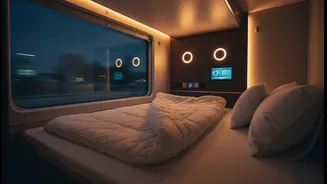
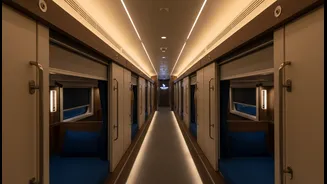
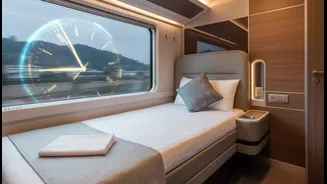
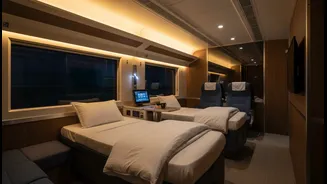
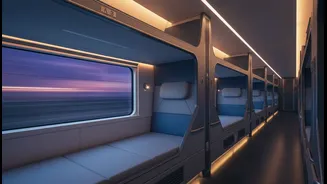
Young travellers are digital natives who expect connectivity and modern amenities. The Vande Bharat sleepers deliver on this front. While specifics are still emerging from the prototypes built by firms like BEML and the consortiums involving Titagarh Rail Systems and RVNL, the expectation is set by their chair-car siblings. This means sleek, modern interiors, better lighting, sensor-based water taps, and bio-vacuum toilets. More importantly, it means ample charging points for every passenger, onboard Wi-Fi, and potentially infotainment systems. A viral video from a foreign traveller, who dubbed the experience a "five-star hotel on rails," highlights the clean, premium finish that resonates strongly with an audience accustomed to global travel standards.
The Sweet Spot: Affordable Luxury
Perhaps the most critical factor for young travellers is the cost. Flights are fast but expensive. Traditional trains are affordable but can be slow and lack modern comforts. The Vande Bharat sleeper aims for the sweet spot in between. Initial fares on the first routes are only about 10-15% higher than the equivalent class on a Rajdhani Express. This positions the service as an accessible upgrade. It offers a business-class feel for a premium-economy price, making it highly attractive to students, young professionals, and digital nomads who are budget-conscious but value comfort and efficiency. The immediate sell-out of tickets for the inaugural runs proves this demand is real and substantial.
Connecting India for a New Generation of Explorers
The Vande Bharat network's expansion is not just about connecting major metros like Delhi, Mumbai, and Kolkata. New routes, such as the one linking Varanasi and Amritsar, are opening up crucial corridors for tourism, pilgrimage, and business. As more of the planned 260 rakes are manufactured and deployed, these trains will make it easier and more appealing for young people to explore their own country. The ability to board a train in one city after work on a Friday and wake up in another, ready to explore, could fundamentally change domestic tourism. While some production timelines for the larger fleet have faced delays, with prototypes from new consortiums expected by late 2026, the initial services are already building excitement.