







The Anti-Ageing Promise We All Know
For decades, the message has been consistent: eat your greens, get eight hours of sleep, stay hydrated, manage stress, and, of course, use sunscreen. These 'small changes' are promoted as the secret to maintaining a youthful appearance. The wellness and beauty
industries have built empires on products and routines that promise to boost collagen, fight free radicals, and erase fine lines. And to be clear, these habits are undeniably good for you. A healthy lifestyle improves cardiovascular health, strengthens muscles, and supports overall well-being. However, the conversation is shifting from simply looking good for your age to a more profound question: can these actions truly 'reverse' the ageing process itself? The answer, according to emerging science, is more complex than marketers would have you believe.
Cosmetic vs. Cellular Ageing
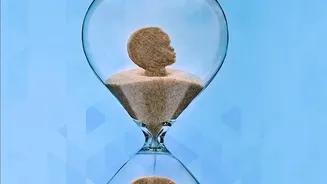
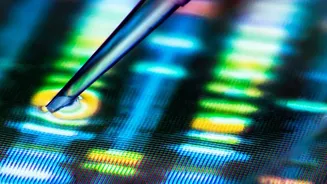
A critical distinction is emerging in the science of longevity: the difference between chronological age (the years on your driver's license) and biological age (how old your cells and tissues functionally are). Looking younger often refers to cosmetic factors—skin elasticity, hair thickness, and fewer wrinkles. While lifestyle choices impact these, they are largely surface-level. True 'age reversal', as scientists see it, happens at the epigenetic level. Your epigenome consists of chemical markers on your DNA that instruct your genes. Over time, these instructions can get 'scratched' or disrupted, leading to the functional decline we call ageing. Some studies suggest intensive diet and lifestyle interventions can indeed make a modest difference in these epigenetic markers, potentially reducing biological age by a few years. But this is a far cry from the dramatic reversal many hope for.
The Real Frontier of Age Reversal
The most dramatic 'age reversal' breakthroughs are not happening in our kitchens or gyms, but in highly advanced laboratories. Scientists are exploring techniques like cellular reprogramming. One recent study, for example, took blood cells from an 80-year-old and reprogrammed them into neural stem cells that had the molecular age of a person under 20. This effectively wound back the cellular clock by 60 years in a lab dish. Other research focuses on targeting transcription factors—molecules that regulate gene expression—to make old cells behave as if they were younger, which has shown success in improving liver health in aged mice. Harvard researcher David Sinclair has spoken about upcoming human trials for therapies designed to 'polish' the epigenome and restore youthful cellular function, likening the process to removing scratches from a CD. These are not small changes; they are high-tech medical interventions aimed at treating ageing as a preventable condition.
From 'Anti-Ageing' to 'Healthy Ageing'
So, if your daily green juice isn't going to reprogram your cells, what is the takeaway? The conversation is shifting away from a futile 'anti-ageing' battle towards a more empowering concept of 'healthy ageing'. The goal is not to look 25 forever, but to maintain the highest possible quality of life, mobility, and cognitive function for as long as possible. It's the difference between fighting a natural process and supporting your body through it. Those small, healthy choices—regular exercise, a balanced diet, stress management, and good sleep—are still your most powerful tools. They may not reverse your biological age by decades, but they are proven to extend your 'healthspan'—the number of years you live in good health, free from chronic disease. This approach focuses on resilience and function over purely cosmetic results.