


The Golden Rule: Triage Your Veggies
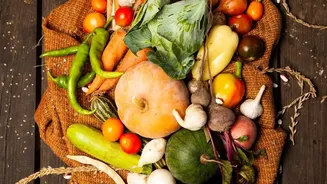
The secret to conquering your produce box and minimising waste is to think like a kitchen manager. You need to triage your vegetables, sorting them based on their shelf life. This doesn't mean you have to eat what you're told; it means you strategise
to eat what you have before it loses its freshness. The goal is to create a simple mental flowchart: what needs to be eaten in the next 48 hours, what can last a few days, and what will happily wait in your pantry or crisper for a week or more. This approach turns a potentially overwhelming pile of greens and roots into a manageable plan, ensuring you get the most flavour and nutrition out of your investment.
The “Eat Me Now” List
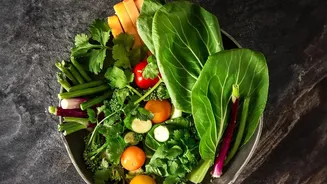
Some vegetables are simply more fragile than others. These are your top priority. Leafy greens like spinach, arugula, and lettuce have a very short lifespan and should be used within the first couple of days. Their high water content and delicate leaves make them prone to wilting and turning slimy. Soft herbs like basil, cilantro, and parsley also fall into this category. Other items to place on your immediate-use list include mushrooms, which can get slimy, and sweetcorn, which loses its sweetness as its sugars turn to starch. Anything in an opened package—like a bag of salad greens or pre-chopped vegetables—should also be moved to the front of the line, as exposure to air accelerates spoilage.
Proper Storage is Your First Line of Defence
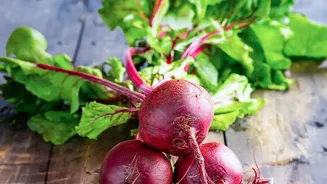
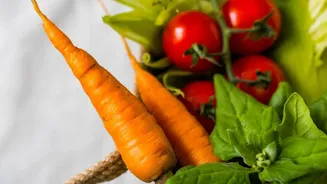
How you store your produce is just as important as the order you eat it in. For delicate leafy greens, the key is managing moisture. Storing them unwashed in a sealed container lined with a paper towel can dramatically extend their life. The paper towel absorbs excess moisture that leads to rot. For soft herbs, you can treat them like a bouquet of flowers: trim the stems and place them in a jar with some water, covering the leaves loosely with a bag in the fridge. Hardier root vegetables that come with their tops still on, like carrots or beets, should have their greens removed immediately. The greens will continue to pull moisture and nutrients from the root, causing them to go limp.
The Mid-Week Crew
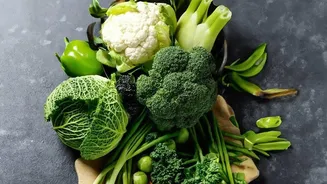
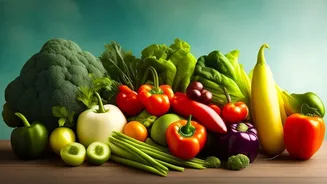
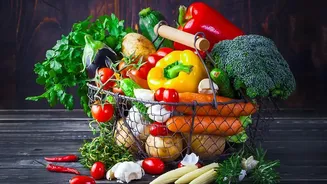
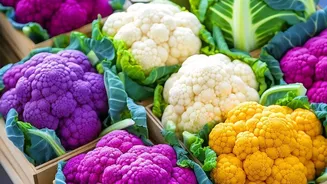
Once you’ve planned meals for your most delicate items, you can turn to the middle-ground vegetables. These are items that are relatively sturdy but shouldn't be forgotten. This category includes vegetables like broccoli, cauliflower, bell peppers, cucumbers, and zucchini. Generally, you can expect these to last for about a week if stored properly in your refrigerator's crisper drawer. Keeping broccoli fresh can be as simple as placing the stem in a glass of water in the fridge. These vegetables are perfect for mid-week meals, providing a bridge between the highly perishable items you used first and the long-lasting ones you have yet to touch.
The Long-Lasting Pantry Staples
Finally, we have the long-haulers. These are the hardy vegetables that give you breathing room in your meal planning. Root vegetables like potatoes, carrots, and onions, along with garlic and hard winter squashes, can last for weeks or even months when stored correctly. These items prefer a cool, dark, and dry place, which makes your pantry ideal. Cabbage is another storage champion, often lasting for several weeks in the fridge before it's even cut. These staples form the backbone of your produce supply, ready to be used in the latter part of the week or saved for when you need to fill a gap in a meal. Knowing you have these on hand reduces the pressure to use everything at once.