


The Ingredient Advantage
The first and most significant reason homemade cheesecake reigns supreme is quality control. When you bake at home, you are the head chef and the sourcing manager. You can choose full-fat, high-quality cream cheese—the heart and soul of any good cheesecake—instead
of the stabiliser-filled, lower-fat versions often used in commercial kitchens to cut costs and extend shelf life. You can use real vanilla extract instead of artificial essence, fresh organic eggs, and high-quality butter for your biscuit base. That crumbly, buttery crust you dream of? You can make it with your favourite biscuits, from classic digestive to speculoos or chocolate wafers. Every single ingredient is a choice, and each choice elevates the final product from merely 'sweet' to complex, rich, and deeply satisfying. A café has to prioritise profit margins and consistency across many locations; you only have to prioritise deliciousness.
Freshness You Can Taste
A cheesecake is at its absolute peak one to two days after it’s baked. This is the magic window when the flavours have had time to meld and deepen, and the texture is perfectly creamy and set. Unfortunately, the cheesecake slice you buy at a café has an unknown history. It could have been baked yesterday, but it could also have been made three or four days ago, or even have been frozen and thawed. Over time, the crust loses its crispness and can become soggy, while the filling can weep or become progressively denser. When you bake at home, you control the timeline. You get to experience the cheesecake at its absolute prime, serving it when its texture is velvety smooth and the flavours are vibrant. That 'just-baked' freshness is a luxury that mass production simply cannot replicate consistently.
Mastering That Perfect Texture
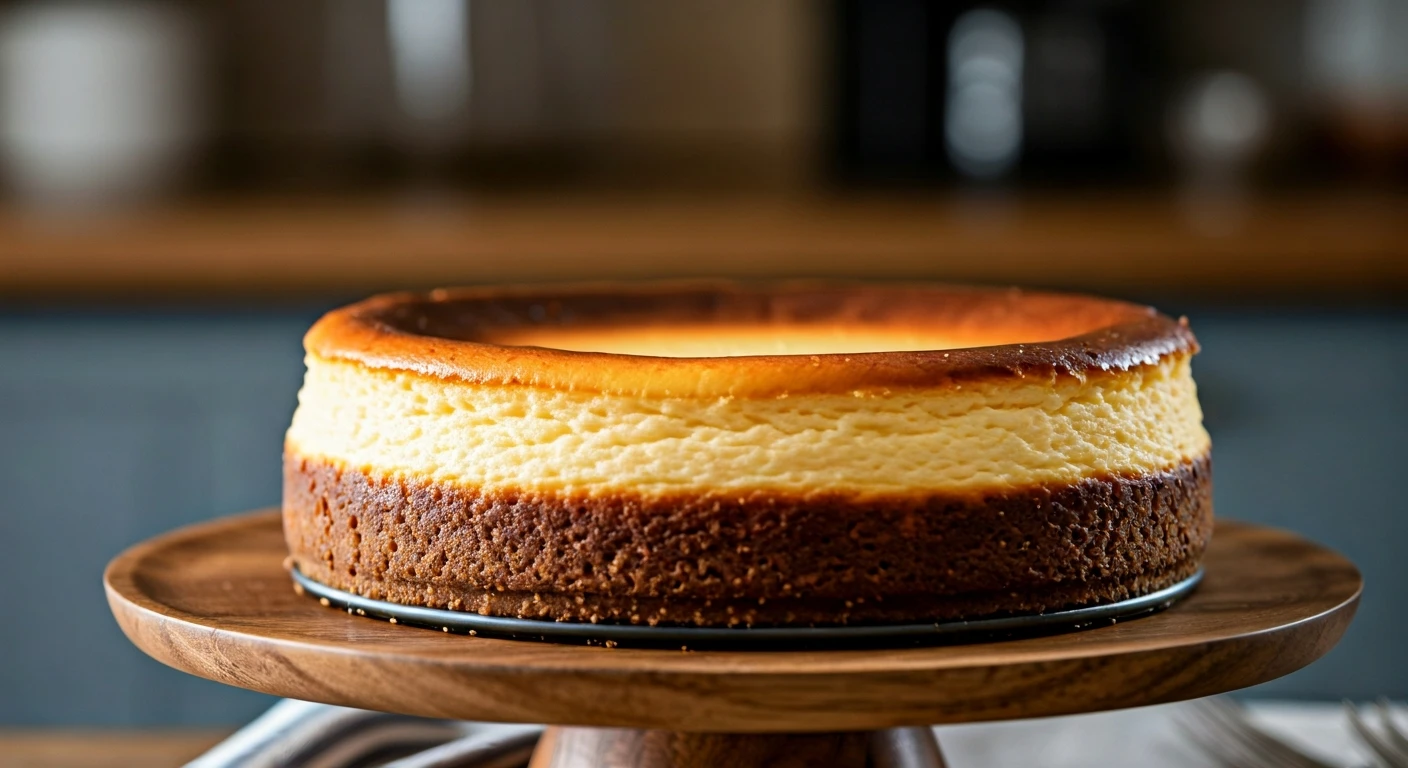
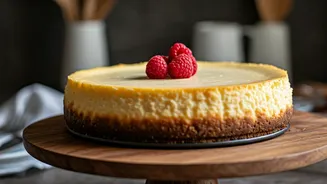
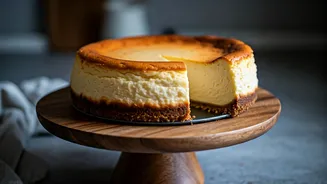
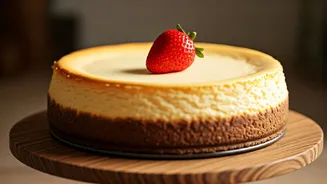
Many people fear making cheesecake because of two dreaded outcomes: a cracked top or a rubbery texture. But these issues are surprisingly easy to avoid, and doing so is what separates a good cheesecake from a great one. The secret to a creamy, melt-in-your-mouth filling isn't complicated; it's about technique. First, ensure all your cold ingredients—especially cream cheese and eggs—are at room temperature. This allows them to blend together smoothly without trapping excess air, which causes cracks. Second, don't over-mix! Once the eggs go in, mix only until they are just combined. Over-beating develops gluten and incorporates too much air. Finally, the game-changer: a water bath (or 'bain-marie'). Placing your springform pan in a larger pan of hot water ensures the cheesecake bakes gently and evenly with moist heat, resulting in a flawless, creamy texture that cafés, with their powerful convection ovens and rush-to-produce schedules, often miss.
Your Flavour, Your Rules
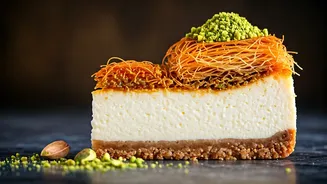
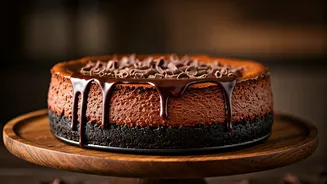
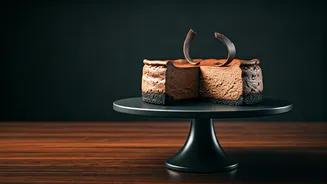
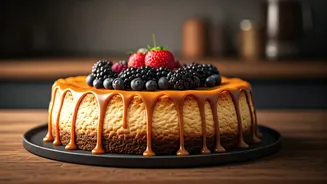
While a café might offer a standard New York style or a seasonal berry topping, your kitchen allows for endless creativity. Homemade cheesecake is a blank canvas for your personal taste. You can infuse the filling with a hint of lemon or orange zest for brightness, a splash of espresso for a tiramisu-like kick, or a swirl of salted caramel or melted chocolate. The base can be customised with nuts or spices like cinnamon and ginger. The topping possibilities are limitless: a simple sour cream layer, a fresh fruit compote, a rich chocolate ganache, or even a dusting of cocoa powder. You aren't confined to a menu. This level of personalisation means you can create a dessert that is perfectly suited to your palate and the occasion, making it infinitely more special than a generic slice from a display case.