








Prioritize the Cold Chain
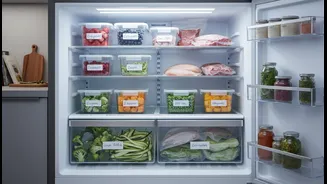
The most critical step upon returning home is to deal with anything that needs to be refrigerated or frozen. Perishable foods must be put away promptly to maintain their quality and, more importantly, for food safety. According to food safety guidelines,
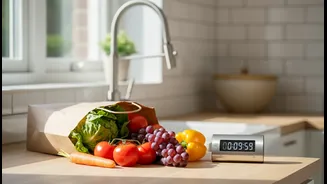
the refrigerator should be at or below 40°F (4°C) and the freezer at 0°F (-18°C). Foods like meat, poultry, fish, dairy, and eggs can enter the 'danger zone'—temperatures between 40°F and 140°F—where bacteria can multiply rapidly. Your trip from the store is a race against the clock, especially on a warm day. Perishables should be refrigerated within two hours, or just one hour if the outside temperature is over 90°F. Grouping all your frozen and refrigerated items together at checkout can help them stay cold during the journey home. Once home, these should be the first items out of the bags and into the fridge and freezer. This simple habit is the cornerstone of safe food handling in the home.
Handle with Care
Once your temperature-sensitive foods are safely stored, turn your attention to the fragile items. There’s nothing more frustrating than discovering a carton of cracked eggs, a loaf of squashed bread, or bruised berries. Ideally, these items were placed on top of other groceries in your cart and at checkout to prevent damage. Unpacking them early ensures they are moved to a safe place before they can be accidentally crushed by heavier items like cans or jars. Emptying all your bags onto the counter at once can help you visually sort and identify these delicate products quickly. Place eggs on a stable shelf in the refrigerator, move soft fruits to their designated bowl or container, and put bread in a bread box or on a clear countertop space where it won’t be bumped or squashed.
Stock the Pantry
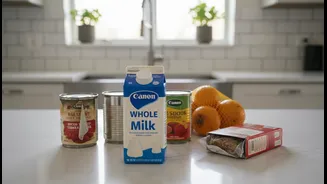
With the urgent items taken care of, you can now move on to the pantry staples. This category includes canned goods, pasta, rice, flour, oils, and other dry goods. A helpful strategy for organizing your pantry is the 'First In, First Out' (FIFO) method, a principle used in professional kitchens. As you unpack, move older items to the front of your shelves and place the new ones behind them. This ensures you use up products before they expire, which helps reduce food waste. It’s also a good time to inspect cans for any significant dents, bulges, or rust, which could indicate spoilage. Grouping similar items together—like all your canned vegetables in one area and baking supplies in another—will make them easier to find later.
Find a Home for Produce
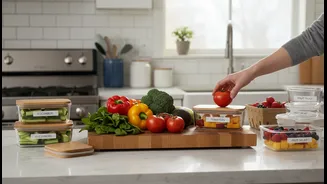
Not all fruits and vegetables belong in the refrigerator. Some produce, in fact, maintains better flavor and texture when stored at room temperature. Items like tomatoes, bananas, onions, garlic, and potatoes should be left on the counter or in a cool, dark pantry. Unpacking these items after the pantry goods gives you a chance to properly sort them. Wash any produce you plan to use soon under cool running water. For delicate items like berries, a gentle rinse is best just before eating to prevent them from becoming mushy. By separating your produce based on its storage needs, you extend its freshness and get the most out of your shopping trip. Once everything is sorted, you can break down and recycle your grocery bags, completing the task.