



From Global Superfoods to Our Foods
For a while, the wellness conversation in urban India was dominated by imported buzzwords. Avocado toast, quinoa bowls, and kale smoothies became status symbols, pushed by global health trends and social media influencers. But the tide is turning. A growing
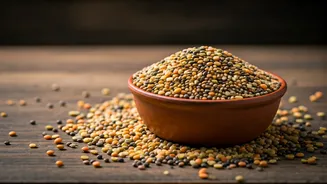
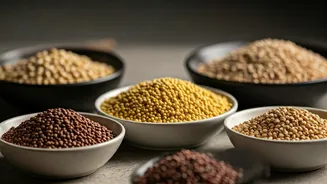
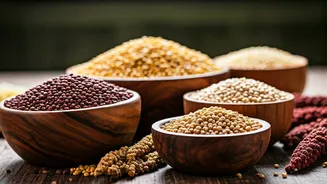
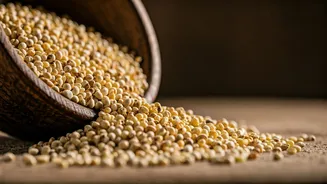
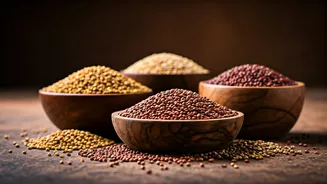
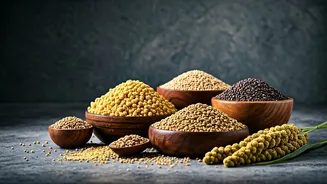
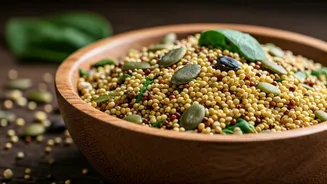
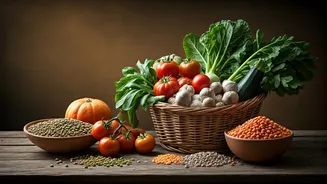
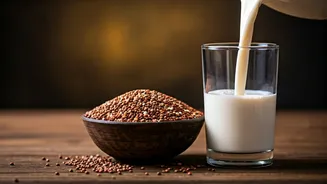
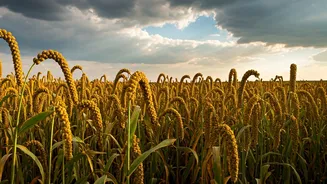
number of young Indians are looking past these expensive, air-freighted ingredients and turning their gaze inward—to the fields, farms, and kitchens of their own country. The 'superfoods' being celebrated now are not from Peru or California, but from Punjab, Karnataka, and West Bengal. We’re talking about millets like ragi and jowar, seeds like amaranth (rajgira), and greens like moringa (drumstick leaves). This isn't just about saving money; it's a conscious choice to embrace what is local, seasonal, and intrinsically Indian.
The Health and Wellness Connection
A significant driver of this shift is a deeper, more nuanced understanding of health. The pandemic, in particular, accelerated a focus on immunity, gut health, and holistic well-being. This led many to question the one-size-fits-all approach of Western wellness and rediscover the wisdom embedded in Indian food traditions. Suddenly, grandma’s advice about drinking turmeric milk (haldi doodh) for immunity or eating ghee for its nutritional benefits didn't seem so old-fashioned. Young consumers are now learning about the probiotic power of homemade pickles and fermented drinks like kanji, the anti-inflammatory properties of local spices, and the superior nutritional profile of millets, which are often better suited to the Indian climate and body than refined wheat and rice. It's a return to a food philosophy that is preventative, not just curative.
A Search for Identity and Authenticity
In a hyper-globalised world, food has become a powerful tool for asserting cultural identity. For many young Indians living in cities, often far from their hometowns, exploring regional cuisine is a way to connect with their heritage. It’s a delicious form of nostalgia and discovery. Social media platforms like Instagram are no longer just for showcasing perfect-looking burgers; they are now vibrant canvases for regional thalis, forgotten recipes, and the stories behind them. Food bloggers and home chefs are gaining massive followings by documenting their culinary explorations, from the subtle spices of a Keralan sadhya to the robust flavours of a Bihari litti chokha. This digital celebration has made regional food aspirational and 'cool', encouraging a generation to take pride in the diversity of India's culinary landscape.
Beyond the Plate: Sustainability Matters
For the environmentally-conscious millennial and Gen Z consumer, the choice to eat local is also a vote for sustainability. They are increasingly aware of the carbon footprint associated with transporting food across continents. Supporting local food systems means fresher produce, reduced food miles, and direct support for Indian farmers, who are often struggling against the pressures of industrial agriculture. This movement also champions biodiversity. By creating demand for a wider variety of native grains, vegetables, and legumes, consumers are helping to preserve crop varieties that might otherwise be lost to monoculture farming. Eating local is therefore not just good for the body, but also for the planet and the national economy.
The New Champions of Local Cuisine
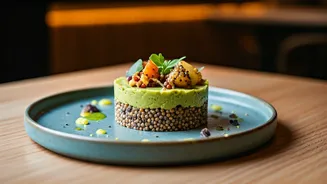
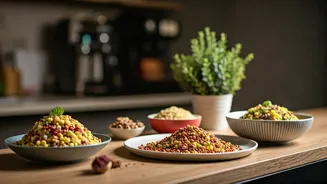
This rediscovery isn't happening in a vacuum. It is being actively led by a new generation of chefs, entrepreneurs, and content creators. Innovative restaurants are designing entire menus around seasonal, regional produce, proving that local ingredients can be modern, exciting, and world-class. Startups are packaging everything from millet-based snacks and breakfast cereals to artisanal pickles and single-origin spices, making it easier for busy urbanites to incorporate these foods into their daily lives. These culinary pioneers are acting as translators, taking traditional ingredients and presenting them in a context that is accessible and appealing to a modern Indian audience. They are proving that eating local isn't about going backwards, but about moving forward with wisdom and pride.