





Beyond North and South
The monolithic labels of "North Indian" and "South Indian" are finally being broken down. In their place, a new generation of chefs and restaurateurs is presenting a more granular, honest, and exciting map of India’s culinary landscape. This isn't just
about food; it's a movement towards specificity and authenticity. Instead of a menu that tries to be everything to everyone, successful concepts are diving deep into the food of a single state or community. This shift allows for deeper expertise, more authentic sourcing of ingredients, and the ability to tell a compelling cultural story that sets a restaurant apart.
The Rise of the Micro-Cuisine
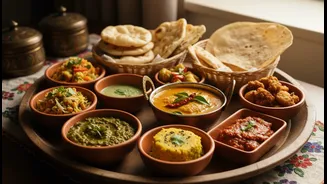
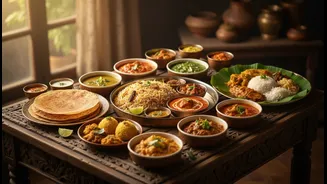
This trend is about championing what experts call 'micro-cuisines' or 'hyper-regional' food. Think beyond just Bengali or Maharashtrian food, and instead discover the nuances of Bihari, Odia, or Naga tribal food. In Hyderabad, for example, chefs are looking past the globally famous biryani to champion hyperlocal Telugu dishes from regions like Rayalaseema and Godavari. In Delhi and beyond, restaurants like The Potbelly have spent over a decade proving that Bihari cuisine is far more than its famous litti chokha, introducing diners to the sharp, rustic flavours of mustard oil, fish chokha, and Ahuna mutton. These are cuisines that reflect the specific landscapes, histories, and communities they come from.
A Story of Pride and Identity
So, why is this happening now? A key driver is a renewed sense of cultural pride. Chefs and diners alike are more curious and confident about their specific heritage. Restaurateurs are creating menus around heirloom family recipes, celebrating the food their grandmothers made. This is also a response to a growing fatigue with a dining scene saturated with predictable menus. Diners are more adventurous and, thanks to social media, more educated. They are actively seeking real, undiluted flavours and are eager to explore. This has created a fertile ground for home chefs hosting pop-ups and restaurants dedicated to once-overlooked traditions like those of the Kashmiri Pandits or coastal communities in Kerala to thrive.
What It Means for Diners
For anyone who loves to eat, this is a golden age. The focus on regionality means more variety, more discovery, and a more profound connection to the food on your plate. You can now travel across India without leaving your city, tasting the unique GI-tagged red ant chutney from Odisha's Similipal forest at a food festival one day, and a clay-pot cooked Champaran mutton from Bihar at a fine-dining establishment the next. This movement is also helping to preserve fading culinary traditions and ingredients, bringing disappearing recipes back into the mainstream. Restaurants are becoming more than just places to eat; they are turning into cultural classrooms where you learn about a community through its food.