


Understanding Your Herbs' Needs
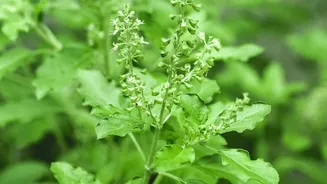
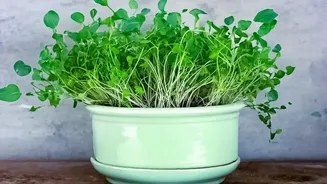
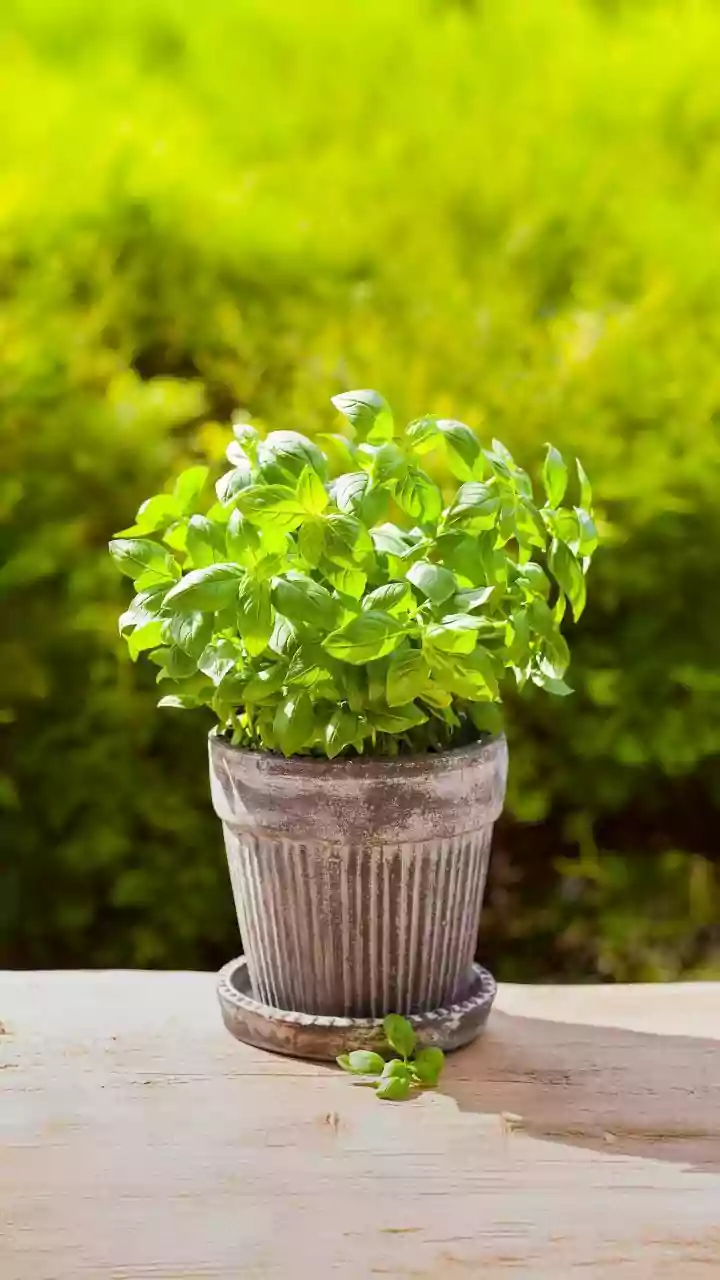
Tulsi (Holy Basil), Mint, and Coriander are staples in many Indian kitchens, and they grow well in pots with at least four to six hours of sunlight. While they all love nutrients, their needs differ slightly. Tulsi thrives on a balanced diet to support
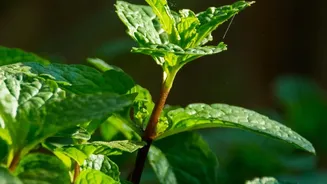
its aromatic leaves and requires good drainage to prevent root rot. It benefits from regular feeding, especially during its main growing season. Mint is a vigorous grower and can tolerate more water, but still needs nutrients to produce lush leaves. Coriander grows quickly and uses up soil nutrients fast, so it benefits from a steady supply to support its rapid life cycle. All three prefer soil that is kept evenly moist but never waterlogged.
The Power of Homemade Compost
Store-bought fertilisers can be harsh, but homemade compost is a gentle, slow-release powerhouse of nutrients. It improves soil structure, helps retain moisture, and fosters a healthy environment for roots. For potted herbs, using mature, fully decomposed compost is crucial. Fresh or unfinished compost can contain pathogens, attract pests like fungus gnats, or even damage delicate roots. The ideal compost for pots should be dark, crumbly, and have a pleasant, earthy smell. If it smells sour, like ammonia, or is overly wet, it likely needs more time or a better balance of materials.
Two Methods for Feeding: Top-Dressing and Compost Tea
There are two simple and effective ways to deliver compost's goodness to your potted herbs. The first is top-dressing, which involves applying a thin layer of compost directly to the soil surface. The second is creating a 'compost tea', a liquid fertiliser made by steeping compost in water. Compost tea is particularly useful for container plants as it delivers nutrients in a readily available form without altering the soil's density. Both methods replenish the nutrients that are quickly depleted in the limited soil volume of a pot.
How to Top-Dress Your Herb Pots
Top-dressing is a simple technique recommended for potted plants that are showing signs of nutrient deficiency or that you aren't ready to fully repot. First, gently scrape away the top inch or two of old potting soil from your container, being careful not to disturb the main root ball. Then, replace this layer with a 1-cm to 2-cm layer of mature, sieved compost. You can mix the compost with a bit of fresh potting mix if desired. After applying the top-dressing, water the plant thoroughly. This helps the nutrients from the compost slowly work their way down into the root zone every time you water.
Brewing and Using Compost Tea
Compost tea is an excellent liquid feed. To make a simple batch, place a few handfuls of finished compost into a bucket of water (ideally non-chlorinated) and let it steep for 24 to 48 hours. Stirring it occasionally helps release the beneficial microbes and nutrients. For a more active brew, you can use an aquarium pump to aerate the water. Once steeped, strain the liquid through a cloth or fine mesh. You can use this nutrient-rich 'tea' to water your Tulsi, Mint, and Coriander plants as a soil drench. It provides a quick boost of nourishment directly to the roots.
Feeding Schedule and Signs to Watch For
Herbs in pots generally benefit from being fed every four to six weeks during their active growing season. For Tulsi, a monthly application of organic compost is often recommended. Be careful not to overdo it. Too much compost can hold excessive moisture and lead to root rot, a particular risk for Tulsi. Watch your plants for signs of success: vibrant green leaves, strong stems, and vigorous growth. If you see yellowing leaves, it could be a sign of overwatering or, conversely, a lack of nutrients. Slow growth can also indicate that it's time to feed your plants again. By observing your herbs, you'll soon develop a rhythm that keeps them healthy and productive.