
The New Wave of Workations
For years, Goa was the default destination for anyone in India looking to combine sun, sand, and spreadsheets. But as its popular beaches become more crowded and expensive, a new generation of remote workers is seeking alternatives that offer both tranquility
and robust infrastructure. Enter Varkala in Kerala and Gokarna in Karnataka. These towns, once known primarily as pilgrimage or quiet holiday spots, are rapidly gaining favour for their unique blend of affordability, culture, and, crucially, reliable connectivity. They represent a shift in the digital nomad landscape, proving that you don’t need to be in a major hub to stay productive.
Varkala: Cliffs, Cafes, and Connectivity
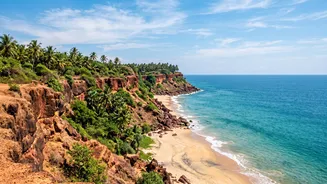
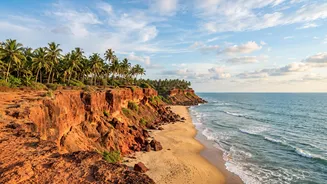
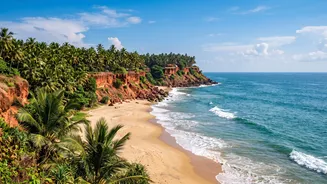
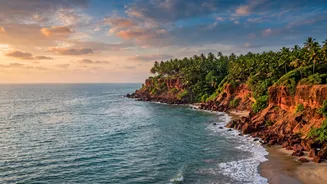
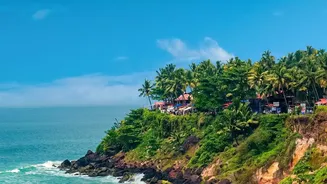
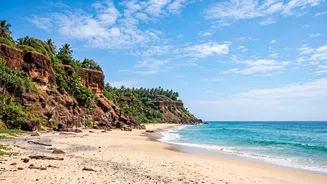
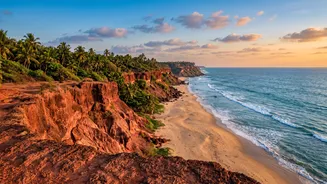
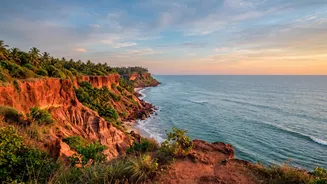
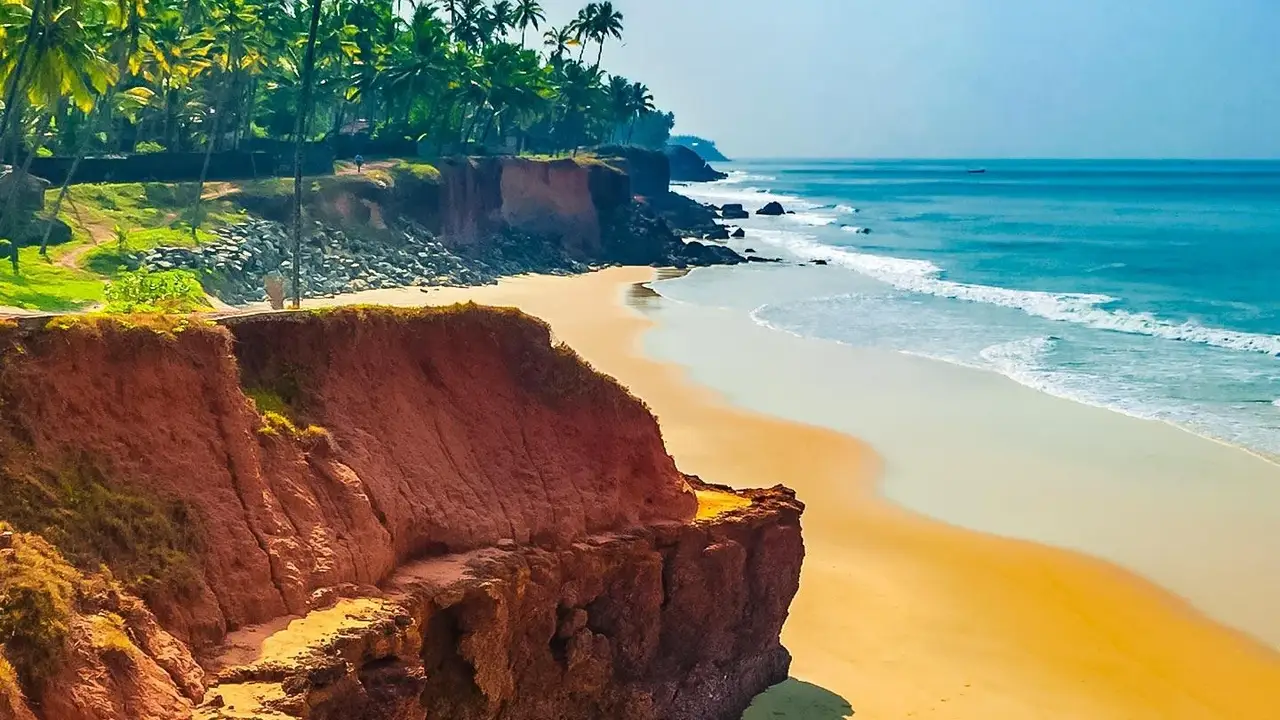
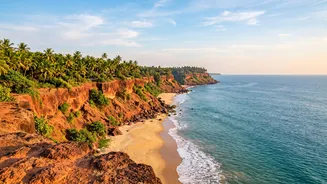
Varkala’s defining feature is its stunning red cliffs that run alongside the Arabian Sea. The North Cliff is the heart of its social life, a vibrant strip lined with cafes, guesthouses, and yoga studios, all offering spectacular ocean views. This setup is perfect for the modern professional, allowing for a morning surf session before settling into a cliff-top cafe like Coffee Temple or Darjeeling Café to work. The vibe is cosmopolitan and social; it’s easy to meet fellow travellers and remote workers. The infrastructure here is surprisingly solid, with many establishments offering fibre internet. Speeds of 20-50 Mbps are common in guesthouses, and mobile networks like Jio and Airtel provide reliable 4G and 5G backup, ensuring you can take video calls without issue. While a dedicated coworking space, White Rabbit, is mentioned as seasonal, the abundance of work-friendly cafes makes it easy to find a spot. Power cuts can happen, so it's wise to choose accommodation with an inverter backup.
Gokarna: Serenity and Surprising Speeds
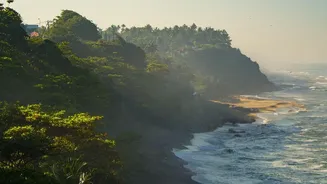
If Varkala is 'cliffside chic', Gokarna is its more rustic, laid-back cousin. Traditionally a Hindu pilgrimage town, it has retained a quieter, more spiritual atmosphere. Its most famous beaches, Kudle and Om, are pristine stretches of sand where the pace of life slows down. For the digital nomad seeking focus and fewer distractions, Gokarna is ideal. The work culture here revolves around beach shacks and a handful of cafes like Namaste Café. While the internet infrastructure was once considered spotty, it has improved dramatically. Many guesthouses and a growing number of hostels now offer high-speed fibre internet, with places like Zostel Gokarna providing reliable connections averaging 40-80 Mbps. Some dedicated workation stays even boast 100Mbps fibre connections and full power backup, catering specifically to remote professionals. However, it’s still recommended to carry a dual-SIM mobile setup (Jio and Airtel) as a fallback, especially if you venture to more remote beaches.
Cost of Living: Your Rupee Goes Further
Both towns are significantly more affordable than traditional digital nomad hotspots. In Gokarna, a month-long workation can be managed on a budget, with dorm beds in co-working hostels costing around ₹12,000 to ₹18,000 and private rooms from ₹24,000. Food is equally pocket-friendly, especially if you eat at local thali joints. Varkala is slightly pricier, particularly the cafes along the cliff, where a meal can cost between ₹300-₹500. However, overall living costs remain low. Accommodation ranges from affordable hostels to boutique stays, making it accessible for various budgets. One nomad-focused platform estimates a monthly cost of around $1,077 (approx. ₹90,000) for a comfortable remote work lifestyle in Varkala, which includes accommodation, food, and other expenses. In both locations, renting a scooter provides an affordable way to explore.
Varkala or Gokarna: Which Is for You?
The choice between the two depends on your personal preferences. Choose Varkala if you thrive in a more social, cosmopolitan environment. Its better-developed infrastructure, vibrant cafe culture, and networking opportunities make it an excellent choice for first-time solo travellers or those who want a seamless transition into the remote work lifestyle. Choose Gokarna if you are seeking peace, quiet, and a deeper connection with nature. It’s for the traveller who doesn’t mind a slightly more rustic experience in exchange for serene beaches and a slower pace of life. While its infrastructure is catching up fast, its soul remains that of a tranquil coastal sanctuary.