





A cornerstone of India-Bangladesh relations for three decades, the Ganges Water Treaty, is set to expire in December 2026. As the deadline approaches, ensuring future certainty over one of the world's most vital river basins is becoming a critical diplomatic
test.
The Landmark 1996 Accord
Signed in December 1996, the Ganges Water Sharing Treaty was a landmark achievement in water diplomacy between New Delhi and Dhaka. The 30-year agreement was designed to address decades of dispute, primarily over the dry-season flow of the Ganges River after India commissioned the Farakka Barrage in 1975. Located in West Bengal, just kilometres from the Bangladesh border, the barrage diverts water into the Hooghly River to flush out silt and maintain navigability for the crucial Kolkata Port. The treaty established a formula for sharing the available water at Farakka during the lean season, from January 1 to May 31, aiming to balance India's needs with those of downstream Bangladesh.
Why This River Is a Lifeline
For both nations, the Ganges is more than just a river; it's an economic and ecological lifeline. In India, the diverted water is essential for the functioning of the Kolkata Port, a major hub for trade in the eastern part of the country. It also supports irrigation, industry, and provides drinking water to West Bengal. For Bangladesh, a lower-riparian nation, the flow of the Ganges (known there as the Padma) is critical for agriculture, which sustains millions of livelihoods. It also helps maintain river navigation, supports one of the world's largest mangrove forests in the Sundarbans by pushing back salinity, and recharges groundwater reserves. Any significant reduction in water flow during the dry season can lead to desertification, loss of fisheries, and increased water and food scarcity.
New Century, New Challenges
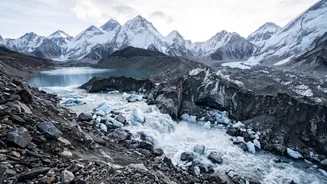
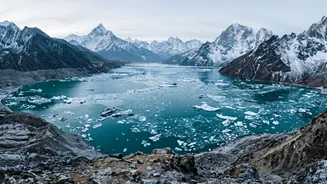
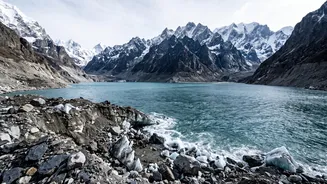
The world has changed significantly since 1996, and the pressures on the Ganges have intensified. Climate change is causing more unpredictable rainfall, accelerating glacial melt in the Himalayas, and leading to more frequent droughts and floods. This makes the historical flow data upon which the original treaty was based increasingly unreliable. Furthermore, growing populations and industrialisation in both countries have led to a sharp increase in water demand, a factor that is straining the existing sharing formula. Experts argue that any new or renewed agreement must incorporate mechanisms for climate resilience, address pollution, and potentially move towards a more holistic management of the entire river basin, not just the water volume at a single point.
The Diplomatic Tightrope
As the 2026 deadline looms, negotiations for renewal have been slow to formalise. Bangladesh has reportedly requested to start negotiations, seeking to revise the terms to include a 'minimum guarantee' clause, similar to a 1977 agreement, to ensure a certain amount of water even in extremely dry periods. This has been a key demand from Dhaka, which feels the current treaty doesn't adequately protect it during low-flow years. Meanwhile, India faces its own domestic pressures, with states like Bihar and West Bengal also demanding more water. The diplomatic climate is further complicated by broader political shifts in the region and the long-unresolved issue of sharing water from the Teesta River, which has created a trust deficit.