



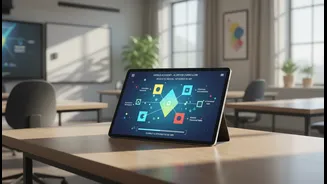




The New Digital Teaching Assistant
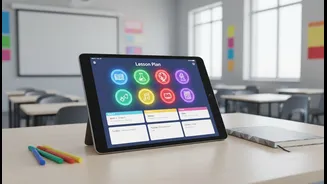
Across India, educators are discovering a powerful new tool in their arsenal: AI-powered lesson planners. Platforms like Canva Magic Write, Teachmate, and Education Copilot are designed to be digital assistants that can generate a structured lesson plan in minutes.
Teachers simply input a topic, grade level, and learning objectives, and the AI produces a comprehensive outline complete with activities, materials, and assessment ideas. This automation handles the heavy lifting of administrative tasks, which reports suggest can consume a significant portion of a teacher's work week. The primary appeal is straightforward: freeing up valuable time that can be reinvested directly into student interaction and mentoring.
Beyond Automation: The Human Element
The real magic, however, happens after the AI generates its draft. The most effective educators are not simply printing out AI-generated sheets; they are using them as a creative starting point. This is where personal teaching style becomes crucial. An AI might suggest a standard history lesson on the Mughal Empire, but it's the teacher who enriches it with a story about a local monument from that period or designs a group activity based on their students' specific interests. The process is collaborative; teachers review, refine, and customise the AI's output to fit the unique personality of their classroom. This human-led customisation ensures that lessons remain relevant, engaging, and sensitive to the diverse learning needs of students.
Saving Time, Sparking Creativity
The most celebrated benefit of using AI planners is the significant reduction in workload. Many educators report that by automating the foundational work of lesson planning, they reclaim hours previously lost to paperwork. This reclaimed time allows them to focus on higher-value tasks like providing one-on-one student support and developing more innovative teaching methods. Moreover, AI can serve as an endless source of inspiration, offering fresh approaches and creative activities that can break the monotony of traditional lesson structures. By handling routine tasks, AI frees up mental space for teachers to focus on the more creative and relational aspects of their profession.
Navigating the Challenges with Care
Despite the advantages, the integration of AI in classrooms is not without its challenges. A primary concern is the risk of over-reliance, which could lead to generic, uninspired teaching if the educator's personal touch is absent. There are also valid concerns surrounding student data privacy and the potential for algorithmic bias in AI-generated content. For these tools to be effective, schools and districts must invest in proper training to ensure teachers can use them responsibly. Educators need to be equipped with the skills to critically evaluate AI suggestions and adapt them ethically and effectively for their specific classroom context, ensuring technology remains a supportive tool rather than a directive one.