






The Rise of the Micro-Holiday
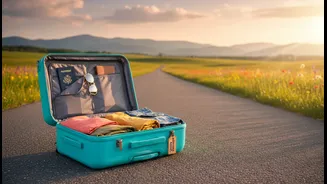
The grand annual vacation, once the cornerstone of leisure for working professionals, is making way for a more frequent and spontaneous travel style. A recent report identifies this as the emergence of a “Micro Holiday Economy,” where travel is becoming
a year-round habit rather than a once-a-year event. Instead of one long two-week holiday, Indians are increasingly opting for multiple shorter breaks—think long weekends, three-to-five-day trips, and impromptu staycations. Data from 2026 shows that the average domestic trip now lasts just 1.7 nights, with over a third of flights booked within three days of departure, highlighting a significant move towards impulsive travel decisions. This trend is particularly strong among younger travellers, with one study revealing that seven in 10 Gen Z Indians would rather take three short trips than one long one.
An Antidote to Modern Burnout
A key driver behind this shift is the need for more regular mental resets in an always-on work culture. Psychologists argue that the happiness boost from a vacation fades quickly, often within a week of returning to work. This suggests that more frequent opportunities to recharge can provide more sustained well-being than a single, long annual break. Regular, short trips serve as periodic recovery experiences, allowing the brain to detach from job-related stress and prevent the gradual build-up of burnout, which the World Health Organization recognises as an occupational phenomenon. These “micro-cations” offer a practical way to manage stress, with studies showing that even a short getaway of three to four days can significantly improve well-being. The anticipation of an upcoming trip alone is also a powerful mood booster, and having several trips planned throughout the year provides multiple sources of motivation.
Flexible Work and Spontaneous Plans
The widespread adoption of remote and hybrid work models has been a major catalyst for this trend. With work no longer tied to a physical office, professionals have greater flexibility to blend work and leisure. This has given rise to the “workation,” where people travel to a destination and work remotely, exploring in their off-hours. This flexibility makes it easier to take advantage of a long weekend or an unexpected gap in the calendar without dipping into a large bank of leave days. For many, especially Gen Z, travel is now a reflexive response to a free weekend or a spontaneous plan with friends, rather than a meticulously planned event months in advance. This is reflected in booking habits, with a 2026 report noting that two-thirds of young travellers now book their trips within days or weeks of their travel date.
Exploring India's Own Backyard
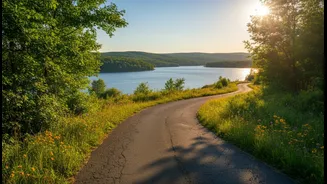
The trend towards shorter trips has also fuelled a boom in domestic tourism. Travellers are increasingly choosing to explore destinations closer to home, with road trips or “drivecations” becoming a popular alternative to short-haul flights. This allows for more flexibility and cost-effective travel. Data shows a growing interest in India's own hidden gems, with searches for destinations in the Northeast, like Jorhat in Assam, surging dramatically. Coastal travel is also diversifying beyond traditional hotspots to include places like Visakhapatnam, Kochi, and Udupi. This inward-looking wanderlust is driven by a desire for unique cultural experiences and has been amplified by geopolitical events that have made international travel more complicated and expensive. Even with shorter durations, travellers are not necessarily cutting back on spending, often choosing to invest in premium experiences and high-quality stays at four and five-star properties.