






Understanding the Latest IMD Forecast
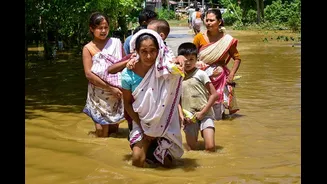
The India Meteorological Department has forecast an active monsoon surge, bringing widespread rain to various regions. According to the latest bulletins, isolated heavy to very heavy rainfall is expected over states including Uttarakhand, Uttar Pradesh,
Haryana, Delhi, and parts of Rajasthan in the north. Central India, particularly Madhya Pradesh and the Konkan coast, including Goa, are also braced for intense spells. In the south, Kerala and the coastal and interior parts of Karnataka are predicted to receive heavy rain. The IMD has also warned of heavy showers in parts of Tamil Nadu and Northeast India, including Assam and Meghalaya. These forecasts, valid for the coming days, advise residents and travellers to remain alert, especially in hilly and low-lying areas vulnerable to landslides and waterlogging.
Your First Step: Review Your Booking Terms
Before making any changes, the first step is to understand what you've paid for. Log in to the airline, hotel, or travel portal's website and pull up your booking details. Look for terms like 'Refundable', 'Non-Refundable', 'Free Cancellation', or 'Flexi Fare'. A non-refundable booking is the most restrictive, often meaning you forfeit the entire amount if you cancel. A refundable or flexible ticket, on the other hand, allows changes or cancellations, though sometimes a fee or fare difference may apply. Many travel portals now have dedicated filters for these flexible options, making them easier to find when you book. Knowing your booking type is crucial, as it determines your options and leverage.
Navigating Airline Cancellation Policies
When bad weather strikes, airlines have specific policies. According to Directorate General of Civil Aviation (DGCA) guidelines, if an airline cancels a flight for any reason, including weather, you are entitled to a choice: a full refund or rebooking on the next available flight at no extra cost. However, if you decide to cancel proactively because of a weather forecast, the rules of your ticket apply. A standard, non-flexible ticket might incur a hefty cancellation fee. Airlines like IndiGo and Air India often offer 'Flex' fares which, for a slightly higher price, allow changes with a reduced or waived fee. In cases of widespread disruption, airlines may issue a waiver, allowing all passengers on affected routes to change their flights for free. Keep a close eye on the airline's official website and social media channels for these announcements.
What About Hotels and Travel Packages?
Hotel booking policies can vary significantly. Many hotels and booking platforms like MakeMyTrip and Goibibo now offer 'Free Cancellation' rates. This policy usually allows you to cancel without penalty up to a specific deadline, often 24 to 48 hours before check-in. It's crucial to read the fine print, as cancelling after the deadline may result in a charge for one night's stay. Some platforms also offer 'Zero Cancellation' products for a small additional fee at the time of booking, which can provide a full refund. For package tours, the operator's policy is key. They will handle the flight and hotel components, but their own terms for weather-related disruptions will apply.
Proactive Steps to Safeguard Your Trip
Don't wait for your plans to be washed out. If you have a trip planned this week, here are some immediate actions you can take. First, actively monitor the IMD's forecasts for your destination. Second, double-check the cancellation policy for every booking you have made. If you've booked a non-refundable ticket or hotel, call the customer service line. While not guaranteed, sometimes airlines and hotels will offer credit vouchers or a free date change if you explain the situation, especially if an official weather warning is in place. Finally, consider purchasing travel insurance for future trips during monsoon season. Many policies cover trip cancellations and interruptions due to severe weather.