







From Functional to Fabulous
Remember when the main conversation around fibre was about ‘regularity’? It was a nutrient marketed with all the glamour of plumbing maintenance, often targeting an older demographic with images of prunes and bran flakes. But today, fibre has been completely
rebranded. It’s now at the centre of the gut health movement, celebrated by wellness influencers and featured in chic, colourful packaging on everything from snack bars to sparkling drinks. This 'glow-up' isn't just clever marketing; it’s rooted in a deeper scientific understanding of how essential fibre is not just for digestion, but for our entire body’s well-being, from our immune system to our mental state.
The Microbiome's Superfood
The secret to fibre’s newfound fame lies in our gut. Our digestive tract is home to trillions of microorganisms, collectively known as the gut microbiome. Think of it as a complex inner garden. Fibre acts as the ultimate fertiliser for the good bacteria in this garden. When you eat fibre-rich foods, you’re not just feeding yourself; you’re feeding these beneficial microbes. They break down the fibre (a process our bodies can't do on their own) and produce powerful compounds called short-chain fatty acids (SCFAs). These SCFAs are miracle workers. They strengthen the gut wall, reduce inflammation, and communicate with the rest of your body, influencing everything from skin health (hence the ‘glow’) to immune function and even mood regulation through the gut-brain axis. A happy gut truly contributes to a happy, healthier you.
More Than Just 'Roughage'
To get the full benefits, it helps to know that not all fibre is the same. It’s broadly divided into two categories: soluble and insoluble. Insoluble fibre is the ‘roughage’ we traditionally think of. It doesn’t dissolve in water and helps add bulk to stool, promoting regular bowel movements. You’ll find it in whole grains, nuts, and vegetables like cauliflower and green beans. Soluble fibre, on the other hand, dissolves in water to form a gel-like substance. This gel helps slow digestion, making you feel fuller for longer, and can help lower blood cholesterol and stabilise blood sugar levels. Great sources include oats, peas, beans, apples, and carrots. A healthy diet needs a good mix of both for optimal benefits.
Chic Ways to Get Your Fibre Fix
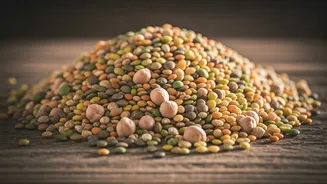
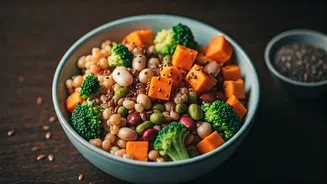
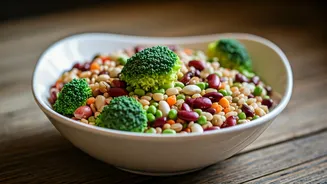
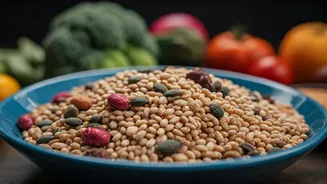
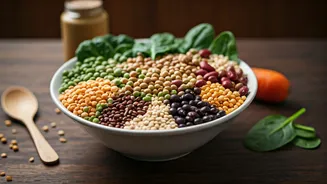
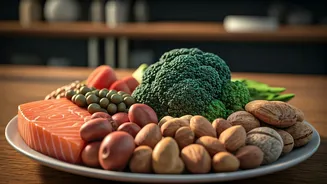
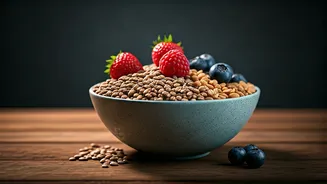
Meeting the recommended daily intake—around 25-30 grams—is easier and more delicious than ever. Forget joyless bowls of bran. Think vibrant and modern. Start your day with a smoothie blended with spinach, a pear, and a tablespoon of chia seeds or flaxseeds. For lunch, upgrade your usual salad by adding a cup of chickpeas or lentils. Avocado toast on whole-grain bread is a classic for a reason—it’s packed with healthy fats and fibre. Snacking on a handful of almonds, an apple with its skin on, or some berries are all excellent choices. Even popcorn, a whole grain, is a fantastic source of fibre. The key is to focus on whole plant foods. The more colourful your plate, the more likely you are to be getting a wide variety of fibres and nutrients.
Start Slow and Stay Hydrated
If your current diet is low in fibre, it's wise to increase your intake gradually. A sudden jump can lead to bloating, gas, and discomfort as your digestive system adapts. Try adding one new high-fibre food to your diet every few days. Equally important is water. Fibre works best when it absorbs water, which helps soften your stool and move it along smoothly. As you increase your fibre intake, be sure to increase your water intake as well. Listening to your body is crucial. The goal is to feel energised and well, not uncomfortable. A slow and steady approach is the most sustainable way to make fibre a permanent, positive part of your lifestyle.