




The Science of Living Light
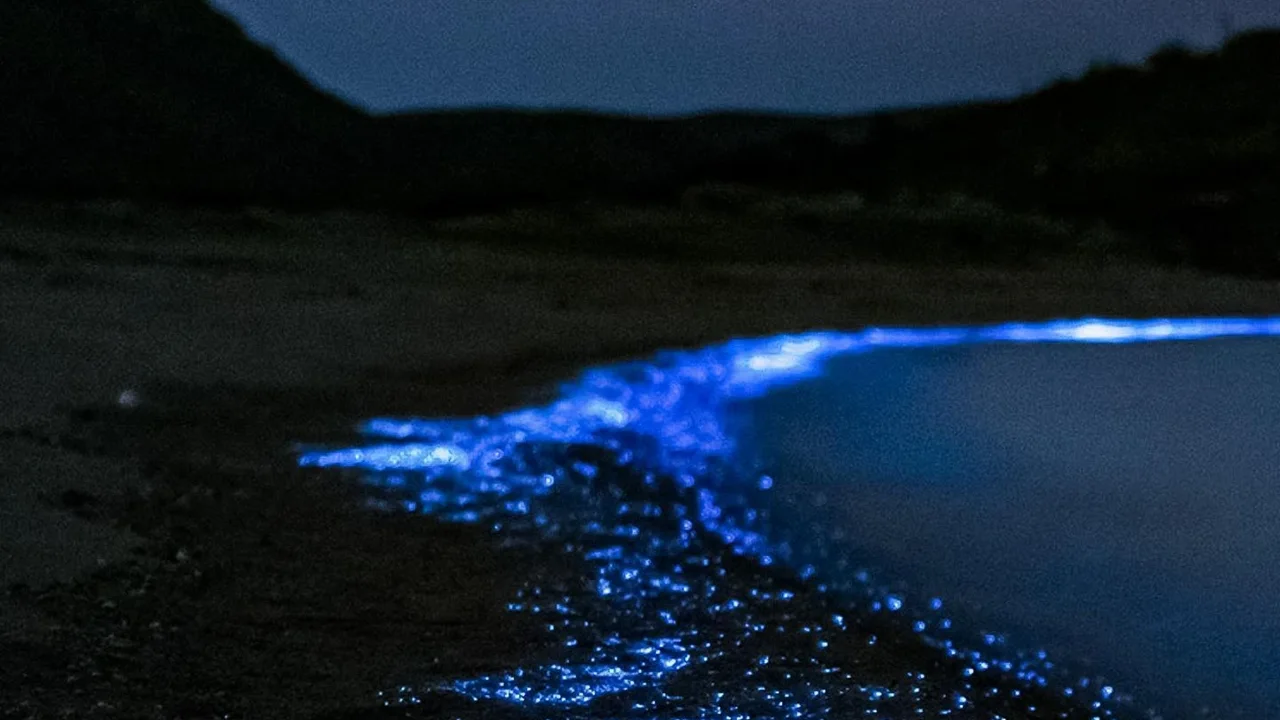
Bioluminescence is nature's own light show. It's the chemical process that allows organisms like fireflies, certain fungi, and deep-sea creatures to produce light. At its heart is a reaction between a light-emitting molecule called a luciferin and an enzyme
called luciferase. When they interact, with the help of oxygen, energy is released as a soft, cool glow. Scientists have been captivated by this natural phenomenon for decades, exploring ways to transfer this ability into other organisms. The primary method is genetic modification, where genes responsible for bioluminescence in one species—often fungi—are inserted into the DNA of a plant. This allows the plant to produce the necessary components and generate its own light, essentially powered by its own metabolism.
From Science Fiction to a Living Room Near You
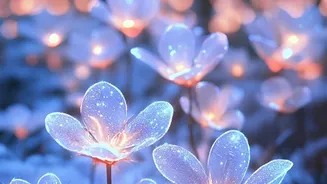
The idea of glowing plants isn't just a fantasy. In recent years, it has moved from the laboratory to the marketplace. A company called Light Bio made headlines with its 'Firefly Petunia', one of the first commercially available bioluminescent plants in the United States. By inserting genes from a glowing mushroom, Neonothopanus nambi, they created a petunia that emits a continuous, soft glow from its leaves and flowers, most visible in a dark room. The healthier the plant, the brighter its glow, which is powered by the plant's natural energy cycle. While it’s a remarkable breakthrough, its light is ambient and subtle, designed for aesthetic enjoyment in homes and gardens, not for powerful illumination.
The Great Leap: Can Trees Replace Streetlights?
Here’s where the dream meets a stark reality check. The leap from a decorative, glowing petunia to a tree that can light up a city street is enormous. The biggest challenge is brightness. Research indicates that current bioluminescent systems produce around 15-20 lumens per square meter. A standard LED streetlight, by contrast, can produce over 100 lumens per square meter, and is concentrated to cast light over a wide area. The glow from today's bioluminescent plants is far too dim to ensure public safety or provide adequate visibility on roadways. Researchers at MIT and other institutions have been working to increase the light output, but even their most successful experiments have produced only a faint glow for a few hours. The energy a plant would need to generate the brightness of a streetlight is immense and could potentially harm the plant itself.
The Hurdles on a Path Paved with Light
Beyond the sheer lack of brightness, several other practical and ethical hurdles stand in the way. There are concerns about the widespread release of genetically modified organisms into the environment. The spread of GM pollen and seeds could have unforeseen consequences for native plant populations. Maintenance is another issue; streetlights need to be reliable, whereas living trees are susceptible to disease, pests, and weather. Furthermore, while the idea of reducing electricity is appealing, bioluminescent plants aren't a source of 'free' light. The energy for the glow comes from the plant's own metabolism, which is fueled by sunlight and nutrients. Finally, unlike a streetlight that can be switched off, a constantly glowing tree could contribute to a different kind of light pollution, potentially disrupting the cycles of nocturnal wildlife.
A Different Kind of Green Lighting
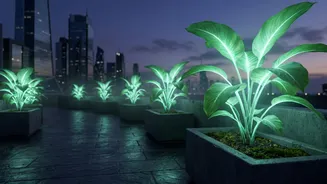
While replacing entire grids of streetlights with glowing trees remains a distant, perhaps unattainable goal, bioluminescence still holds exciting potential for urban spaces. Its future may not be in high-intensity lighting, but in more subtle, aesthetic, and targeted applications. Imagine glowing flora lining pathways in parks, adding a touch of magic while providing gentle guidance. Bioluminescent signs, architectural accents, and art installations could reduce electricity consumption and light pollution in specific contexts. In France, a startup is already experimenting with using bioluminescent bacteria in tubes for low-intensity public lighting. These applications embrace the soft, ethereal quality of living light rather than trying to force it to compete with the harsh glare of a traditional bulb.